


 Share
Share

Often times, when food is extracted out of the freezer, one encounters the crystal formation of ice over the surface of food items. This phenomenon—known as a freezer burn—affects the taste and texture of food, when it hasn’t been packed correctly for long-term storage. When air escapes a container or package in which ingredients have been placed, moisture enters the zero temperature environment, causing an impact over the outer layer, thus making produce, protein and other ingredients turn soggy when thawed. Freezer burns also cause foods to dry since their natural moisture levels are affected, thus leaving little to no room for them to be used at their optimum freshness.
How To Prevent Freezer Burns
Air-Tight Packing
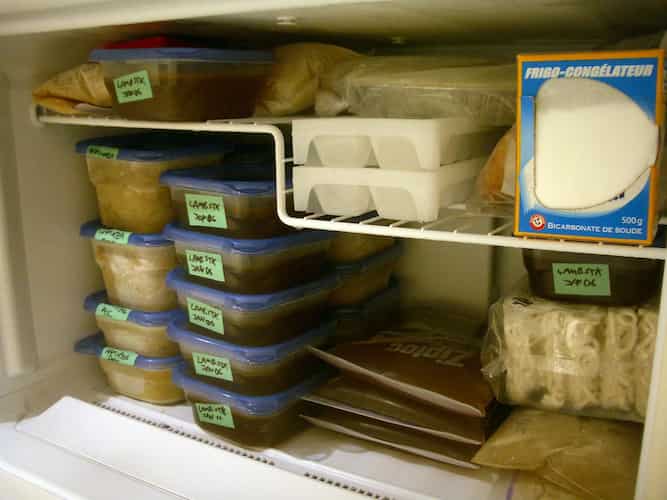
Image Credits: Flickr
Opting for containers or packets that can be double wrapped using cling film prevents unnecessary moisture from penetrating the ingredients in question. When storing cut vegetables, berries and other fruit, it is advisable to use a container in which they can be placed, following a cover of plastic wrap that locks in their freshness as well as stops any ice crystals from seeping in. For meats and other protein, it is best to store them in smaller portions while considering using foil wraps or freezer paper as the material to deflect unwanted moisture formation.
Fast Freezing
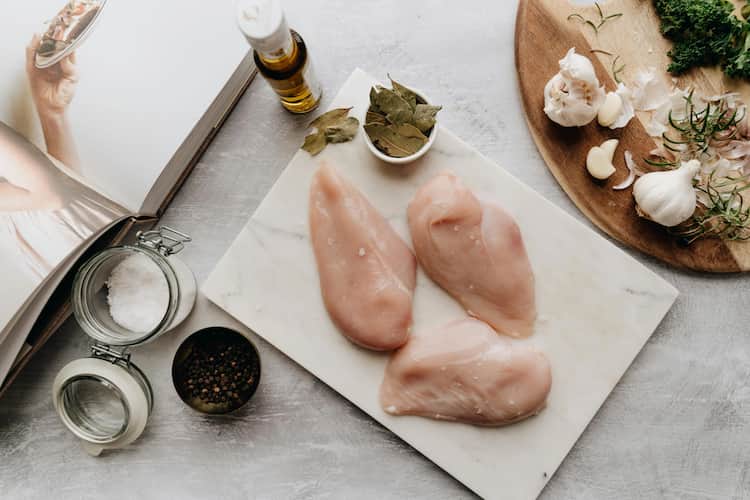
Image Credits: Pexels
Lower the freezer setting to switch to a faster freezing process, since the longer food takes to turn cold, chances of bigger ice crystal formation becomes higher. Rapid freezing also means that the damage to a food item’s cell structure is maintained at the bare minimum, due to the formation of multiple smaller ice crystals. This is particularly helpful when food is thawed since it prevents a mushy texture that softens ingredients such as berries and vegetables, which are known to have a thin cell wall in comparison to meats.
Mark Dates Of Consumption
Storing food for a prolonged period of time in the freezer is also one of the causes behind freezer burns. Hence, packing ingredients in double-layered ziploc bags or wrapping food before placing them in boxes, should also be followed through with proper labelling about what they are, when they were stored and a ‘best used by’ date mentioned on the lid or the front cover. This fulfils the purpose of storing ingredients or foods while they are still fresh and using them up when in the same condition.
Also Read:
How To Salvage Freezer-Burned Food
Meats & Vegetables
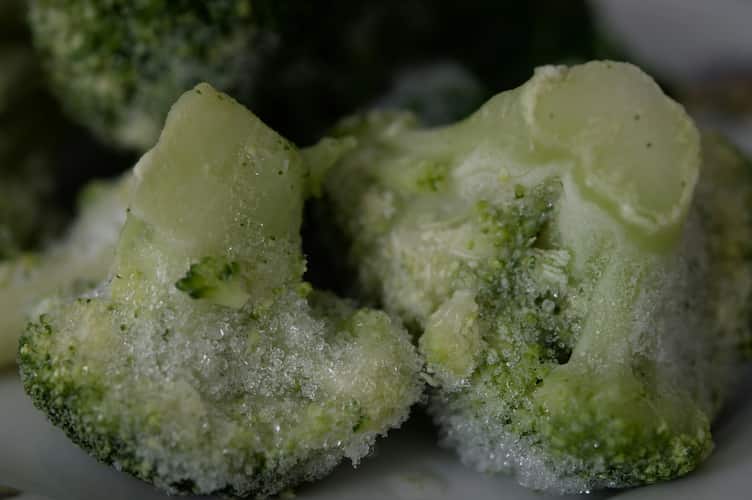
Image Credits: Unsplash
The first measure to save whatever is left off of freezer-burned meats or vegetables is to trim off the bits that have any visible crystallisations. Typically, once this is done, the ideal way to use these ingredients up would be to slow-cook them in some kind of broth or gravy, or marinated larger pieces of thawed meat or veggies before it is cooked. Vegetables can also be chopped further and stir fried with extra seasoning or sauce to revive flavour, while also being transformed into a sauce or soup.
Berries & Soft Produce

Image Credits: Unsplash
Rinse frozen berries, peas or any other cut fruit to wash off the crystals before trimming off the affected spots. Puree them to use in sauces, jams, compotes and smoothies. One can also repurpose freezer burned berries into baked confections where they can be added just after minimal processing. Think innovatively and use them in pancakes, pie fillings and even to layer between trifles.
Ice Cream
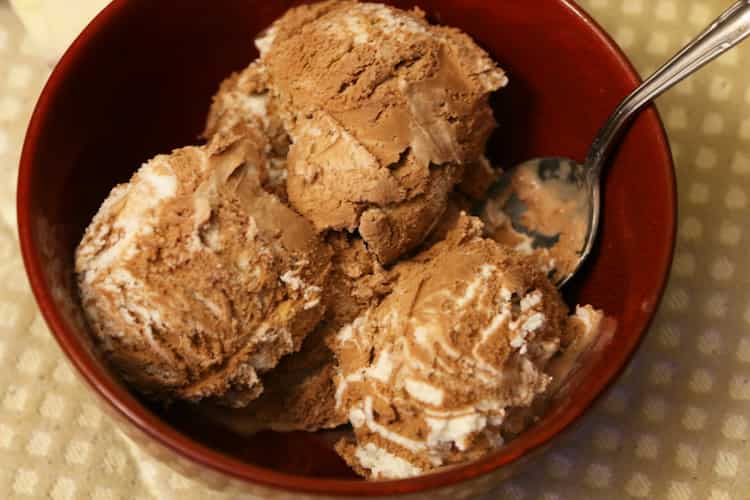
Image Credits: Unsplash
Given that storing ice cream in the freezer is inevitable, simply scrape off the bit where ice crystals have formed, before using a scooper dipped in hot water to serve portions. Alternatively, use the affected ice cream in milkshakes, floats or even melt to make a custard for French toast. For larger portions of ice cream, create a barrier using parchment paper or plastic wrap directly over the surface, to avoid exposure to air inside the freezer. Preferably, make space to store the container at the back where temperature is most stable and the ice cream is less likely to be exposed to warm air while opening the door.




