


 Share
Share

Understanding how your kitchen tools process food can completely transform your culinary results, especially when comparing the distinct actions of wet and dry grinding. When you employ an Usha wet grinder for your daily kitchen prep, you are utilising a slow, steady crushing method that dates back centuries but remains unmatched in modern appliance design. Unlike standard high-speed blenders that slice through food with sharp metal blades, a wet grinder relies on the sheer weight of heavy granite stones rotating against a grooved stone base. This slow-turning, high-pressure friction mimics the classic manual mortar and pestle, working to break down ingredients by rolling over them and pressing them into a smooth paste rather than shredding them. By understanding the fundamental mechanics behind this traditional stone-milling action, you can better appreciate why certain batters and pasty mixtures achieve a level of silkiness and aeration that high-speed blending can never replicate.
How Dry Grinding Pulverises Grains
Dry grinding operates on an entirely different physical principle, relying on raw speed and sharp impact to reduce hard, dehydrated ingredients into a fine powder. This process is typically carried out in a standard mixer-grinder or spice mill, where metal blades rotate at thousands of revolutions per minute to slice through grains, pulses, and whole spices. The constant high-speed collision shatters the brittle cell walls of the ingredients, stripping away moisture and turning tough items like peppercorns, roasted lentils, or coffee beans into a uniform dust. While this shearing action is highly efficient for creating dry spice blends and homemade flours, it lacks the ability to hydrate or emulsify ingredients, making it completely unsuited for creating cohesive, elastic batters that require liquid to bind the starches together.
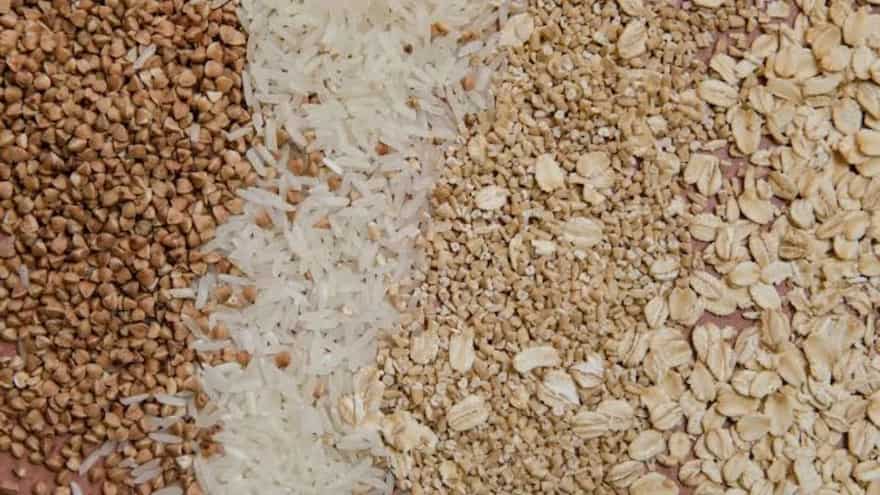
Image credit: Pexels
If you don’t have Usha’s Wet Grinder, Shop Now .
.
The Role Of Thermal Management
One of the most critical differences between these two culinary techniques lies in how they manage heat generation during the grinding process. Because dry grinding relies on extreme high-speed blade rotations, it naturally creates a significant amount of friction, which rapidly elevates the internal temperature of your ingredients. This intense thermal buildup can accidentally cook delicate starches, alter the natural colour of your spices, and cause essential volatile oils to evaporate, leaving you with a duller flavour profile. Wet grinding completely eliminates this thermal hazard because the stone wheels turn at a much lower speed, and the constant presence of water acts as a natural cooling jacket. The liquid medium absorbs and dissipates any residual heat immediately, ensuring that delicate nutrients, vibrant natural pigments, and aromatic oils remain completely intact from the start of the cycle to the finish.
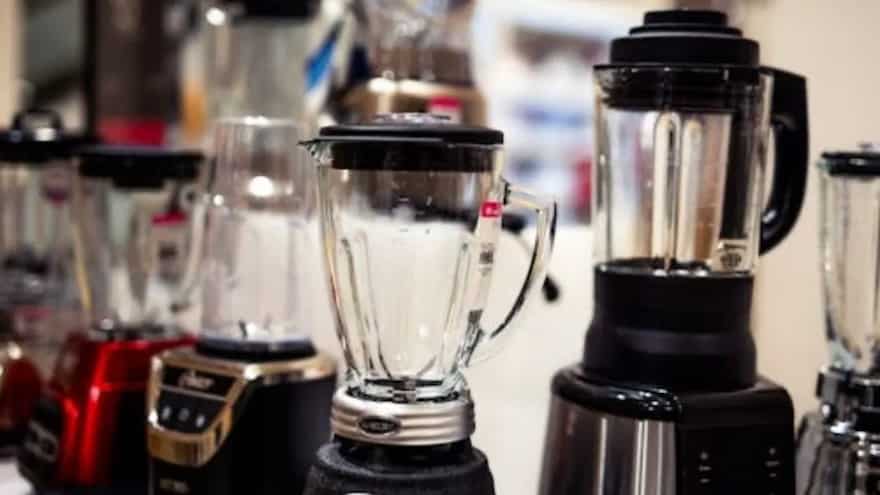
Image credit: Pexels
Starch Hydration And Aeration Dynamics
The presence of water during a wet grinding cycle does far more than just keep the machine cool; it fundamentally alters the physical structure of the starches and proteins at a microscopic level. As the heavy granite stones crush soaked rice or lentils, they break open the cell walls while simultaneously forcing water molecules deep into the newly exposed starches. This simultaneous crushing and soaking creates a beautifully hydrated, highly elastic emulsion that possesses a unique capacity for retaining tiny air pockets. This natural aeration is the exact reason why stone-ground batter rises so beautifully during fermentation, producing idlis and dosas that are incredibly light, fluffy, and soft. Dry grinding can never achieve this structural transformation because adding water to a dry-ground flour after the fact merely creates a heavy paste without that essential micro-hydration and trapped air.
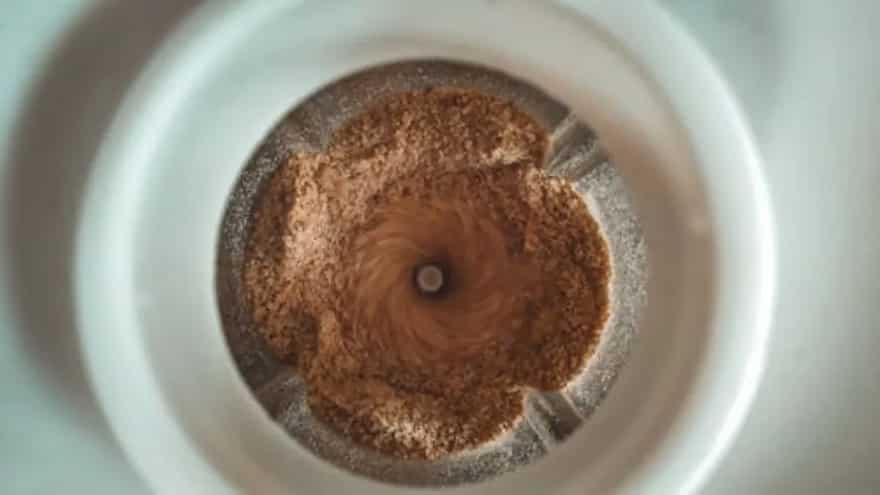
Image credit: Pexels
Choosing The Right Method For Your Recipes
Deciding whether to employ a wet or dry grinding approach depends entirely on the final texture and structural behaviour you want to achieve in your cooking. Dry grinding should remain your absolute default choice whenever your recipe demands a completely moisture-free environment, such as when you are prepping long-lasting garam masala, grinding whole wheat flours, or making dry nut powders that would turn oily under heavy pressure. Wet grinding is the irreplaceable king for any preparation that hinges on an ultra-smooth, creamy, and unified consistency, such as traditional South Asian breakfast batters, rich coconut gravies, and velvet cashew creams. By matching your ingredients to the correct mechanical process, you can effortlessly unlock the true potential of your raw components and elevate your everyday home cooking to a professional standard.




