


 Share
Share

When you approach batter preparation with a stone wet grinder, you are controlling the precise relationship between starch hydration and mechanical air incorporation. An appliance like the Usha wet grinder excels at this because its heavy stone wheels crush the cell walls of grains slowly, allowing you to manipulate the texture far more accurately than any blade-based machine. To achieve perfect results for both preparations, you must treat your water additions, grinding times, and stone tension as independent variables that dictate the final texture. Failing to adjust these factors can result in flat, dense idlis or greasy, shapeless vadas that completely break apart when hitting hot frying oil.
The Science of Air And Water
The biggest factor separating these two dishes is how you manage starch hydration and mechanical air incorporation inside the machine. Using an Usha wet grinder gives you a massive advantage because the heavy granite stones turn at a controlled speed, keeping the mixture cool while trapping microscopic air bubbles. For idlis, your goal is to build an incredibly light, voluminous foam that can easily support the weight of heavy rice grains during fermentation. For vadas, you are aiming for a dense, thick stability with absolute minimum water so the batter holds its signature donut shape when hitting the hot oil.
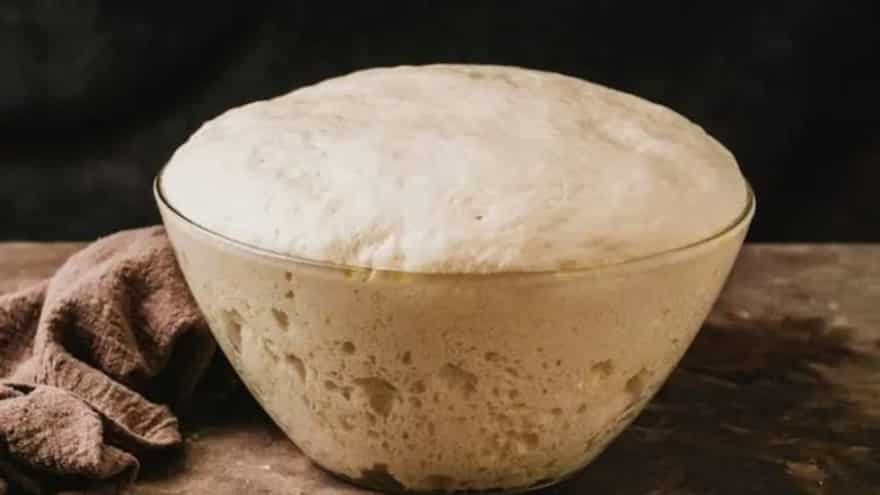
Image credit: Freepik
If you don’t have Usha’s Wet Grinder, Shop Now
Idli Batter: Softness Through Scaffolding
When it comes to idli batter, the golden rule is to grind your lentils and rice completely separately to respect their unique structures. You want to run your soaked urad dal through a twenty-minute cycle, adding ice-cold water in gradual splashes until it transforms into a glossy, marshmallow-like froth. Once you scoop that out, grind your parboiled rice with firmer stone pressure so it retains a distinct, semolina-like grit rather than turning into a smooth cream. When you fold them together, that airy lentil matrix acts like a scaffolding, holding up the coarse rice during steaming so your idlis turn out pillow-soft.

Image credit: Freepik
Vada Batter: The Zero-Water Challenge
Vada batter demands a completely opposite approach where water is practically your enemy throughout the process. You need to dump your soaked urad dal into the grinder with absolutely no initial water, letting the heavy stones crush the damp lentils into a thick paste first. Only sprinkle water spoonful by spoonful when you hear the motor start to struggle, keeping the hydration low so the batter remains thick and opaque. Grinding for about fifteen minutes whips just enough air into this heavy paste to make it float effortlessly in a bowl of water, which is the ultimate test for a vada that fries up shatteringly crisp on the outside and fluffy on the inside.

Image credit: Freepik
Reading The Texture
Getting a feel for these adjustments takes a little patience, but reading the texture of the batter as it spins makes all the difference. Remember that idli batter needs that coarse rice texture and a good overnight fermentation window to develop its characteristically tangy, comforting flavour. Vada batter is all about immediate structural integrity, meaning it should be seasoned and fried the moment it comes off the stones. Once you master these subtle changes in your wet grinder routine, your weekend breakfast game will easily rival the best traditional joints in town.




