


 Share
Share

Mastering the production of batter in significant quantities is a logistical feat that demands both mechanical respect for the appliance and a keen understanding of ingredient behaviour. When preparing for large gatherings or weekly meal preps, the goal is to maintain a uniform texture from the first kilogram to the last without allowing the motor to overheat or the starches to degrade. The Usha Wet Grinder is engineered to handle these substantial loads, providing the necessary torque and stone weight to pulverise grains into a silken consistency while keeping the mixture cool. By adopting a systematic approach to soaking, layering, and water management, one can achieve a professional-grade result that ensures a reliable and revitalising rise in every batch of steamed or fried delicacies.
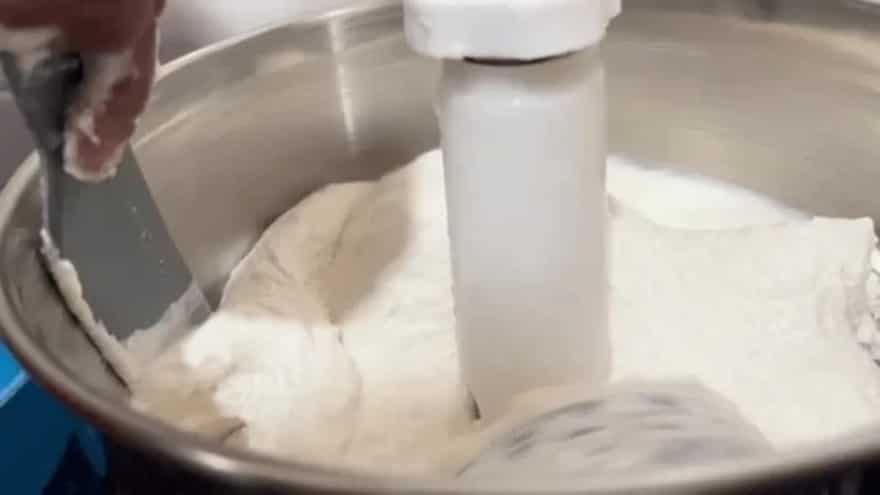
Image credit: Adobe Stock
The Prerequisite Of Thorough Soaking
The ease of a large-scale grind is determined hours before the stones begin to rotate, specifically during the hydration phase of the rice and lentils. For bulk processing, it is essential to ensure that the grains are soaked for at least five to six hours to soften the core, which significantly reduces the friction and energy required to break them down. Using a surplus of water during soaking and rinsing the ingredients multiple times removes excess surface starch, preventing the final batter from becoming overly sticky or heavy. This preparation phase is the most critical step in protecting the motor from unnecessary strain, as well as ensuring that the resulting paste is as flavoursome and light as possible.
If you don’t have Usha’s Wet Grinder, Shop Now .
.
Incremental Loading Strategies
One of the most common mistakes in large-batch preparation is overloading the drum at the very beginning, which can stall the stones and lead to uneven results. Instead, the ingredients should be introduced in steady, controlled increments while the machine is already in motion and a small amount of water has been added. This allows the stones to gain momentum and engage with the grains effectively, creating a smooth vortex that draws the ingredients toward the centre. By feeding the machine slowly, the motor maintains a consistent speed, ensuring that every grain is eventually reduced to a satin-smooth finish without the risk of a mechanical jam or overheating.
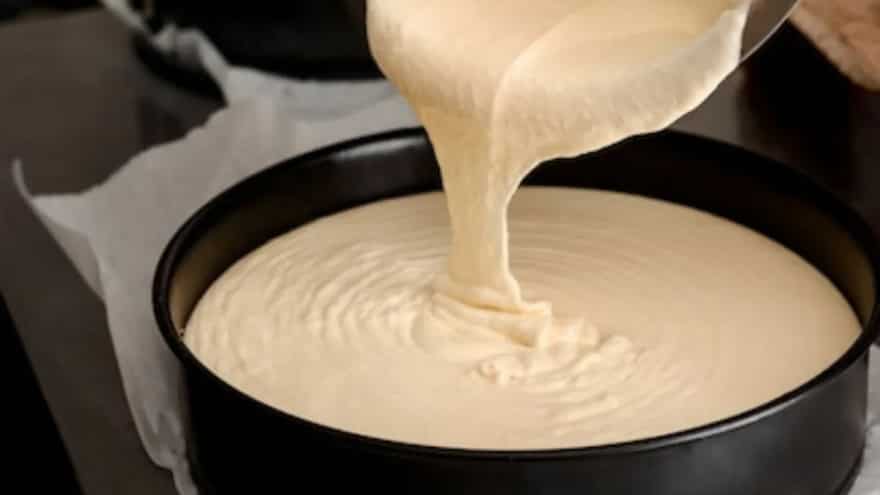
Image credit: Freepik
Strategic Temperature Control
Friction is the inevitable byproduct of grinding dense materials, and when working with large volumes, the accumulated heat can inadvertently damage the delicate proteins in the lentils. To counteract this, it is best practice to use refrigerated water throughout the process to keep the internal temperature of the batter well below the point of premature fermentation. Monitoring the temperature of the drum periodically helps to ensure that the mixture remains cool and stable, which is vital for achieving professional-grade aeration. This careful thermal management results in a vibrant and fresh batter that is far more likely to produce soft and porous results after it has had time to rest.
Managing Water And Aeration
The volume of a batter is largely dependent on the amount of air trapped during the grinding of the urad dal, which should always be the priority in large-batch operations. In a high-capacity grinder, water should be added with extreme caution, using small drizzles rather than large pours to maintain a thick, stable foam. If the mixture becomes too watery too quickly, it loses its ability to hold air, leading to a flat and dense final product. Maintaining a high viscosity during the initial stages allows the stones to beat more air into the paste, resulting in a voluminous and frothy batter that is the hallmark of a skilled culinary operation.
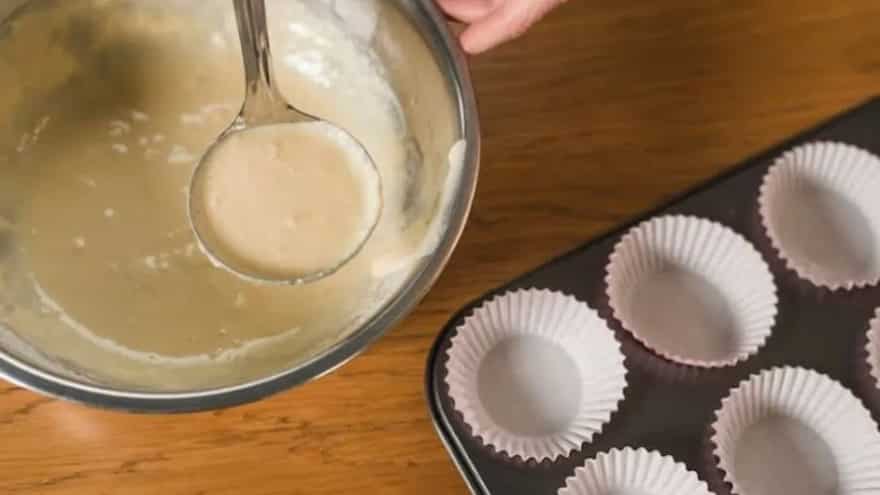
Image credit: Freepik
Systematic Extraction And Cleaning
The final stage of bulk processing involves the efficient removal of the batter and the immediate sanitation of the stones to prevent any hardening of the residue. Using a flexible silicone spatula allows for the quick extraction of the silken paste without scratching the stainless steel drum, ensuring that very little of the savoury mixture is wasted. Once emptied, the drum should be rinsed with a quick cycle of plain water to dislodge any remaining particles from the grooves of the stones while they are still wet. This disciplined cleanup routine not only maintains the highest standards of hygiene but also prepares the machine for its next heavy-duty task, ensuring its longevity and reliability.




