


 Share
Share

It's a common kitchen practice to throw away the useful ingredients without realising their worth. One common example of it can be whey water, the pale liquid that is left behind after you strain curd for after hung curd, Greek yoghurt, chakka or the homemade shrikhand. It may appear to be plain, but it still has a mild tang, dairy solids, minerals and the useful acidity. Yet in many homes, it goes straight into the sink because many assume it has no value as the main ingredient- curd is already ready to be used.
Whey water can quietly improve everyday cooking in ways that feel useful. It has a gentle sourness that can brighten the dough, soften the regular marinades, add depth to gravies and even make the drinks more refreshing.
Unlike heavy cream or butter, whey water is light and easy to work with. It can be added to recipes without requiring any additional effort. The key is to use it as a useful liquid rather than just any leftovers. If you also regularly strain curd at home, that bowl of whey deserves a second chance before tossing it in the sink. Here are smart, real-life ways in which you can use whey water that go beyond the usual “just drink it” recommendation.
Knead Softer Roti Or Paratha Dough
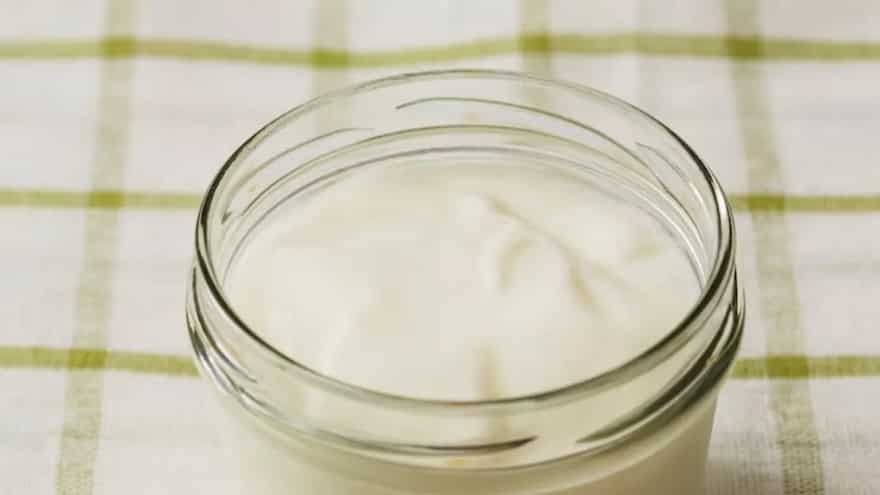
Instead of just plain water, use whey water to knead the dough. Its light acidity can help you make a softer dough that remains pliable longer. The outcome is rotis that feel less dry and parathas with better texture, particularly when packed for meals when you have to use later. Use it just like the water, adding slowly until the dough is kneaded. Rest the dough for about 15 to 20 minutes before you begin to roll the rotis or paratha out of it. This is one of the most effortless everyday uses because it requires no extra ingredients or any extensive planning.
(Image credit: Freepik)
Add It To Kadhi Or Curry Bases
Whey water can deepen the tang in dishes that already like the sour notes, like kadhi, yoghurt-based gravies or the light curries. Replace part of the water in the recipe with whey water for the extra added flavour. It adds light sharpness without needing more curd or lemon. In onion-tomato gravies, a splash of it near the end can brighten the overall taste. Use small amounts so that the dish remains balanced. It works best where a bit of tartness feels natural.
Use In Rice Or Pulao Cooking Liquid
Cooking rice in part whey water and part plain water can add a light flavour and a soft richness. This technique works particularly well for jeera rice, vegetable pulao or the savoury rice bowls. Use mostly water with a little portion of whey so that the tang remains mild. The grains soak up the liquid as they cook, giving the final dish a light depth that is hard to identify but feels pleasant enough to eat. It is a smart way to reuse whey without altering the entire cooking routine.
Make Better Marinades For Paneer Or Vegetables
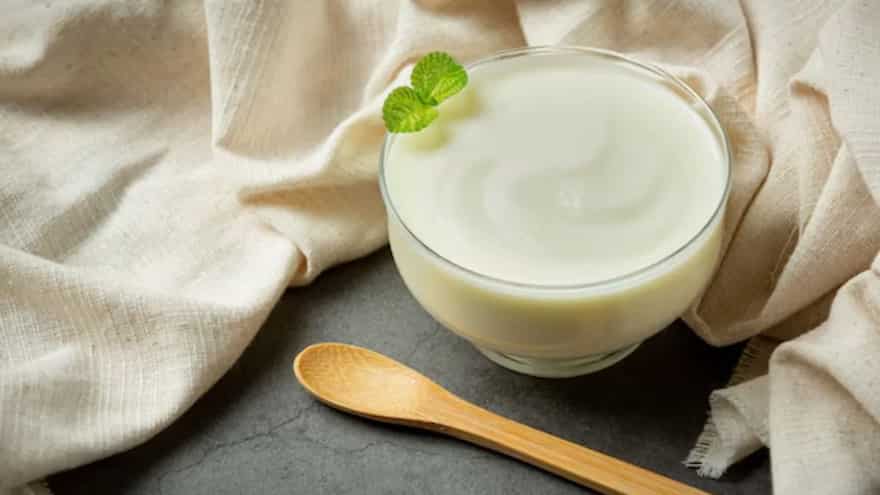
Whey water’s acidity can help in softening the ingredients and adding spice flavours in the marinades. Mix it with ginger-garlic paste, chilli, turmeric and a little oil, then coat the paneer, mushrooms, cauliflower or potatoes. Let everything rest before you begin roasting, air-frying or pan-cooking. The whey helps seasonings to stick to the pieces while adding freshness to the final dish. As it is lighter than the cream or yoghurt-heavy marinades, it suits the cooking when you want flavour without too much heaviness.
(Image credit: Freepik)
Blend Into Chutneys And Savoury Drinks
Use the chilled whey water as the liquid base for mint chutney, coriander chutney or the roasted jeera drinks. It gives a light tang, while also thinning the thick mixtures naturally. Blend it with mint, coriander, green chilli and salt to add a bright condiment. Or shake it with some black salt, cumin and mint for a quick savoury cooler. This is particularly useful when you want to have something refreshing but do not want to open another ingredient, like lemon or buttermilk.




