


 Share
Share

Come summer season, and markets get flooded by fruits like watermelon and muskmelon, as they are the most refreshing foods of the season. They hydrate and cool down the body, and also feel lighter to snack on than other heavy snacks or desserts. But recent news has raised concern after a family of four in Mumbai reportedly succumbed to death following suspected food poisoning after consuming watermelon later at night, after having dinner. However, investigations are still on, and the final cause is yet to be confirmed. What the case has highlighted is an important point that many people tend to overlook, which is that even healthy fruits can become hazardous when poorly handled, spoiled, not stored properly stored or adulterated.
The food safety concerns around summer fruits rise because heat accelerates the bacterial growth once fruits are cut open. At the same time, market needs sometimes lead to artificial colouring, chemical ripening of fruit or poor hygiene during transport and storage. The Food Safety and Standards Authority of India (FSSAI) have urged consumers to be more cautious while buying such fruits, particularly watermelon.
You do not need to fear the fruit or stop buying it, but all you need to do is buy smarter, check for the quality signs, cut and store them hygienically and eat at the right time.
Why Melons Can Sometimes Become Unsafe
Whole melons, be it watermelon or muskmelon, are generally safe when uncut, but once they are cut, their moist flesh becomes highly vulnerable to bacteria if not stored properly. If you use a dirty knife, it can transfer germs from the skin into the edible parts. Roadside pre-cut fruit that is exposed to flies, warm air, repeated touching by bare hands, and absorbing roadside dust carries a higher risk. Overripe melons that get fermented-smelling or slimy should not be consumed. During the peak summer season, melons should be cut and consumed fresh rather than kept open for a long time.
FSSAI-Backed Home Checks To Spot Fake Or Poor-Quality Watermelon
Food safety authorities often recommend using simple visual and household checks before consuming the fruit if they appear to be suspecting. These are not laboratory tests, but they can help you notice warning signs and avoid the poor-quality or artificially ripened watermelon.
Check The Flesh Colour, Not Just Redness
Many people think a deeper red colour means sweeter and better, but not always. Natural watermelon flesh is usually a bit mixed red or pinkish tone, having visible grain and some fibre. If the inside appears too bright, fluorescent, glossy or perfectly even, be careful before buying. Artificial colour may be used to improve the appearance of the watermelon. Real fruit seldom looks perfectly glossy once they are sliced. Also, see whether the colour appears only in certain areas, rather than spreading naturally through the flesh. If it looks too dramatic to be natural, skip it.
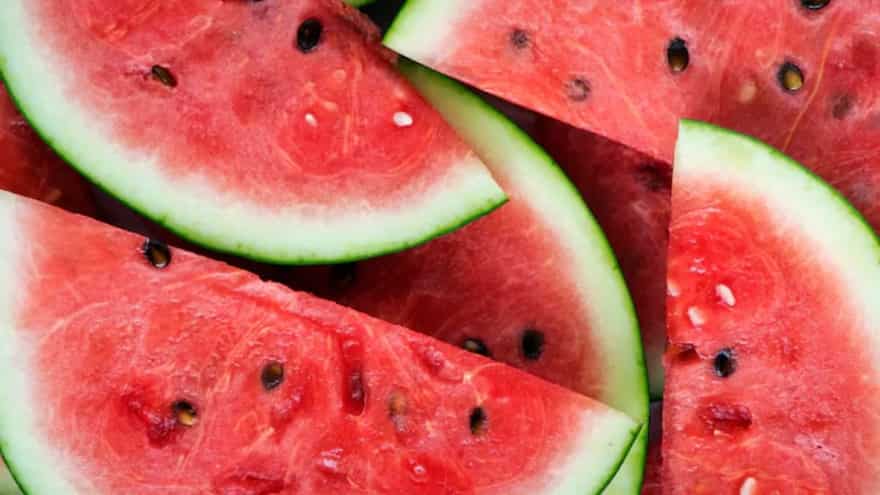
(Image credit: Freepik)
Do The Tissue Test At Home
This is one of the easiest checks that you can do at home. Cut a fresh slice of wtermoeln and gently press or rub a clean white tissue or cotton pad on the skin. Natural juice may leave moisture, but it should not make a strong pink-red dye stain immediately. If the tissue picks up intense colour, it may suggest that it has added artificial colouring. This is not a laboratory test, but it can be a valid red flag to notice before consuming.
The Water Test
Keep a small cube of watermelon flesh in a bowl or glass of clean water and observe it for a few minutes. If the water turns noticeably red or pink, it may indicate that some amount of external colouring has been added to improve its appearance. Naturally ripe watermelon may release a little cloudy juice over time, but it should not act like food colouring in water.
Check The Yellow Ground Spot
In the watermelon, look for the pale patch on the skin where the watermelon rested on the soil while maturing. A creamy yellow or yellowish-orange field spot usually means the fruit matured naturally on its own on the vine. A very white or greenish patch can show that it was harvested way too early, before it properly ripened on its own. This does not necessarily mean it is unsafe, but it may impact sweetness, texture, and overall quality.
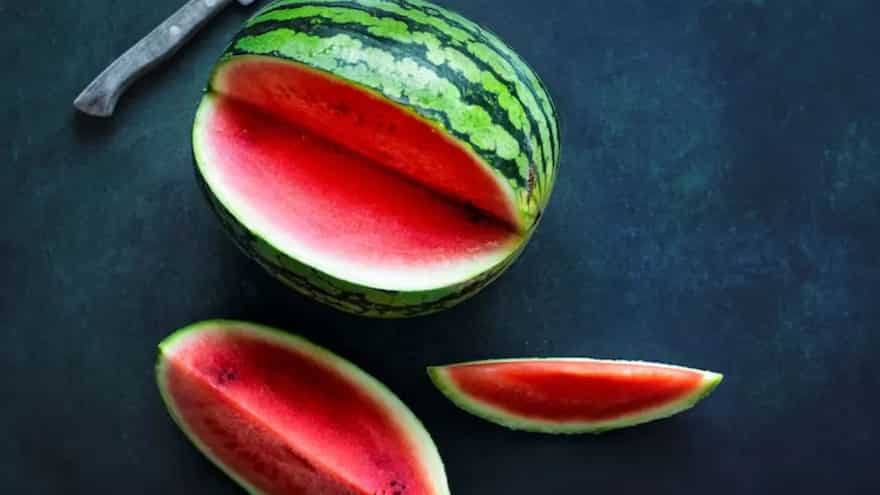
(Image credit: Freepik)
Watch For Unnaturally Perfect Red Flesh
When cut open, be careful if the inside appears too deeply red in a completely consistent way, almost like painted or polished. Real watermelon usually has a bit of natural variation in shade, visible grainy and also uneven in texture. Fruit that looks cosmetically flawless can sometimes be improved for sale appeal rather than just naturally ripened.
Observe Seeds And Internal Texture
Seeds can show a lot. Naturally ripened watermelon usually has dark brown or black ripe seeds, unless it is a seedless cultivated variety. If seeds appear unusually dull, shrivelled or inconsistent along with poor flavour, it may suggest premature harvesting or tampering. Also, look for the flesh texture. Good watermelon feels crisp, juicy and structured. If the inside feels mushy, too watery, cracked in odd places or splitting unnaturally, it may be old, maltreated or of poor quality rather than fresh seasonal fruit.
Judge The Outer Skin Before Buying
The skin shows you buying clues before you cut it. A naturally ripened watermelon often has a dull skin rather than a mirror-like glaze. It may also show a light yellow field spot where it is kept on the ground while ripening. That patch is generally a good sign, not a flaw. Be cautious of fruits that look overly polished, oddly bright, bruised, dripping or soft in patches. Lift the fruit too; a ripe watermelon often feels much heavier for its size because of its water content.
Avoid Pre-Cut Fruit In Heat
Pre-cutting fruit may sound suitable, but it is risky in summer if hygiene is overlooked. Once cut open, watermelon flesh is exposed to air, hands, knives and extreme heat. If kept uncovered, repeatedly handled or sitting without cooling, bacterial growth becomes easier. Buy whole fruit whenever possible, wash the outside first, then cut it open at home using a clean knife and board. If you must buy cut fruit, choose the chilled, covered and freshly cut pieces from a trusted source.
Best Time To Eat Watermelons And When To Avoid
Watermelon is usually best when eaten fresh during daytime, mid-morning, afternoon or in the early evening, when hydration feels important. Avoid leaving cut fruit out for late-night snacking if it is kept out for too long. If you already feel bloated, have diarrhoea, or the fruit smells fermented, skip it totally. Also, avoid mixing large portions of old leftovers and fruit if it is kept out for too long. The problem is often not the fruit itself, but timing, storage and contamination.




