


 Share
Share

Winter in many Indian cities brings cooler evenings and a slower pace for pets, and many caregivers notice that their animals drink less water as temperatures fall. This change can create small concerns around digestion, hydration and overall comfort. Warm broths can serve as an easy way to encourage regular drinking because the aroma can draw pets toward the bowl and the liquid can carry nutrients in a gentle form. Vets often speak about the value of lightly simmered liquids because they can support hydration and can help pets that do not respond well to cold water during winter. Many households already use turmeric and black pepper in daily cooking, and very small amounts of these can appear in pet broths when used with care and proper dilution, as these additions can offer mild anti-inflammatory support. Households that prefer homemade solutions can prepare these broths in small batches and warm them slowly before serving. A warm bowl can feel inviting for senior pets that struggle with stiff joints, and younger pets often enjoy the aroma of simmered vegetables or bones during colder months.

Image credit: Adobe Stock
Chicken Broth With Mild Aromatics
A pot with chicken bones or wings can produce a broth that carries natural gelatin which many pets tolerate well during winter. The bones can simmer gently for a long period and can release trace minerals into the liquid. A small piece of carrot or a thin slice of bottle gourd can add a soft vegetal note that supports digestion. A single pinch of turmeric can join the pot because turmeric in very small amounts can offer mild anti-inflammatory support, and the flavour usually remains subtle when diluted in a large volume of water. A single peppercorn can sit in the pot for a faint aromatic lift although the peppercorn must be removed before serving because pets cannot tolerate concentrated spices. Salt, onion and garlic must stay out entirely. The broth can cool, pass through a fine sieve and settle into small servings that pets can sip through the day.
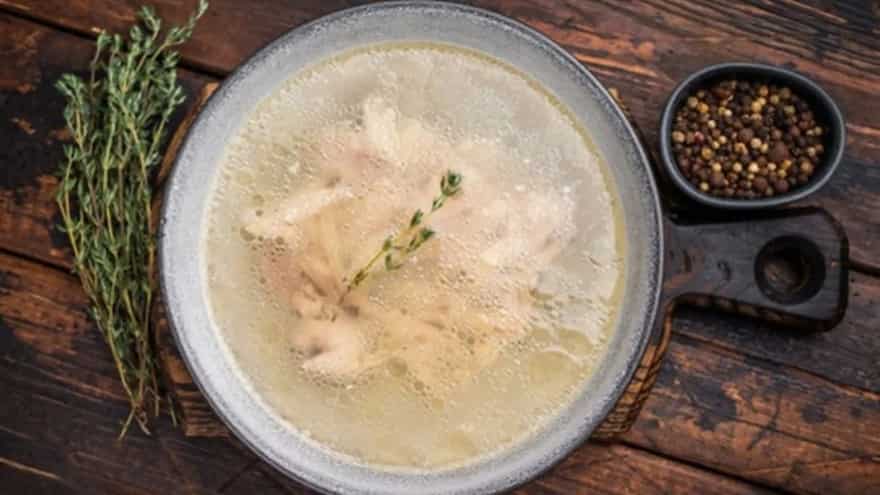
Image credit: Adobe Stock
Mixed Bone Broth With Daily Use In Mind
A mixed bone broth can serve households with more than one pet because different animals often enjoy different flavours. A pot with chicken bones and a few goat bones can simmer for a long period and can release minerals and natural gelatin that can support hydration. A small piece of pumpkin can soften the flavour and can add mild sweetness. The cooled broth can sit in the refrigerator and can warm gently before serving which keeps the flavour pleasant for pets that prefer warm liquids during winter. Small servings through the day can help pets that avoid large amounts of cold water when temperatures fall.
Fish Broth With Pumpkin And A Touch Of Turmeric
Fish heads and bones from rohu or catla can create a light broth when simmered in plenty of water for an hour or two. The liquid usually carries a clean marine aroma that cats and some dogs enjoy during winter. A small piece of pumpkin can offer gentle sweetness and can add vitamins that pets handle well. A pinch of turmeric can blend into the pot to introduce its natural colour and mild properties without overwhelming the broth. The liquid must pass through a fine strainer because fish bones can create hazards even when small. The cooled broth can encourage cats to drink more because warm liquids with clear aroma often draw their interest. No salt or strong spices must appear because these can irritate digestion.
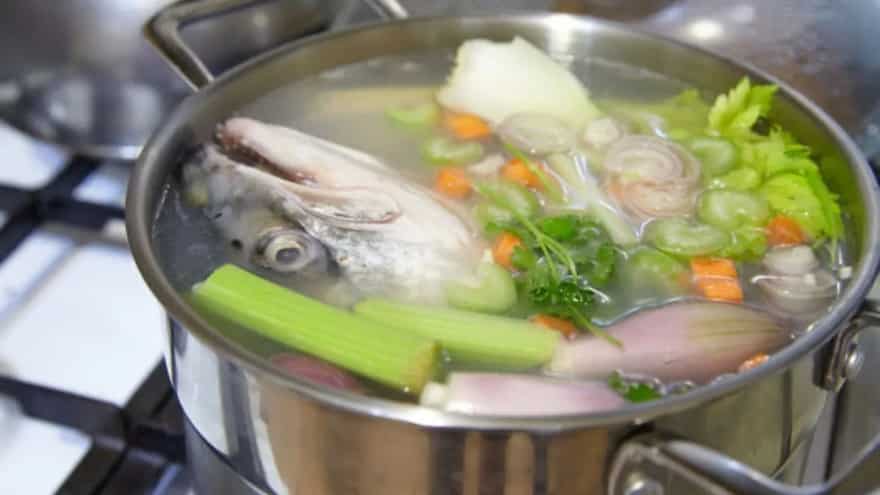
Image credit: Adobe Stock
Goat Broth For Senior Pets
Goat bones can produce a broth with slightly more body because the bones release collagen during slow cooking. A long simmer can produce a warm and nourishing liquid that many senior pets accept well during winter. A thin slice of courgette or a small strip of carrot can add a smooth note that does not disturb digestion. Caregivers who wish to add turmeric can do so in a very small pinch because turmeric in low amounts can support older pets that experience mild stiffness in cooler months. The broth must remain free from fat deposits, so the liquid can rest in the refrigerator for a short time before serving which allows a layer of fat to solidify and lift away easily.

Image credit: Adobe Stock
Vegetable Broth For Sensitive Stomachs
A vegetable broth works well for pets that cannot manage animal proteins due to allergies or digestion concerns. Carrot, bottle gourd and pumpkin can simmer gently until the vegetables release their natural sweetness. The final broth must remain clear, mild and free from onion, garlic, salt and masala blends. A warm vegetable aroma can encourage pets to come forward for a sip during winter afternoons when many animals appear a little slower.

Image credit: Adobe Stock




