


 Share
Share

From Amritsari kulcha to paneer tikka, legendary celebrity Chef Harpal Singh Sokhi curated a special spread for the state banquet hosted by Droupadi Murmu at the Rashtrapati Bhavan for Vietnam’s President To Lam on his first visit to India. The menu focused on Punjabi and Haryanvi food cultures which have served as the granary of Indian cuisine.
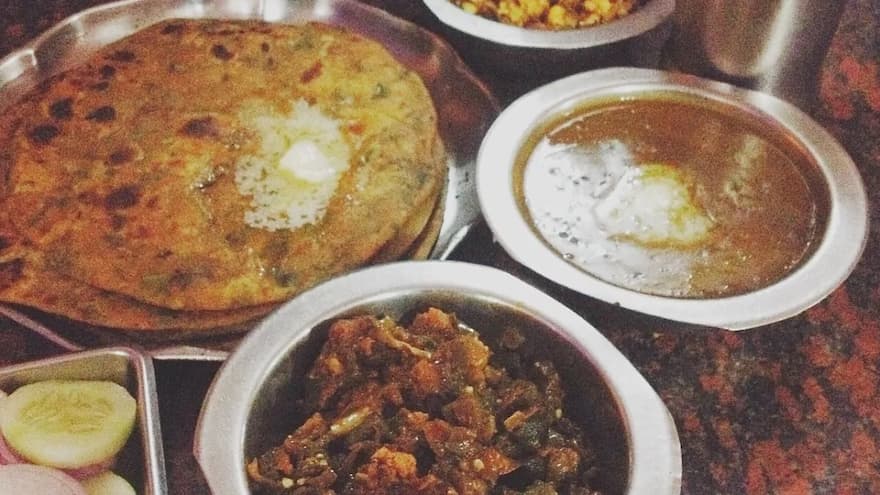
Image Credit: Wikimedia Commons
"The cuisine of Punjab and Haryana, which is rooted in the lush plains of northern India, is inextricably linked to the land, the seasons, and the rich agricultural past. This region, known as India's breadbasket, is well-known for its abundance of wheat, dairy, and vegetables. Meals are substantial, strong, and full of warmth; they are intended to bring people together in the spirit of celebration and hospitality," the President's House Officials mentioned.
The meticulously crafted dinner celebrated India's gastronomic riches, with an exquisite combination of classic dishes, regional specialities, and sophisticated hospitality. Paneer tikka, Dhuni baigan, and laal saag, three unique dishes from Punjab, were highlighted on the delectable list, paying homage to the northern regions' culinary heritage. Let’s break it down for you, from how the table was set to what was served.
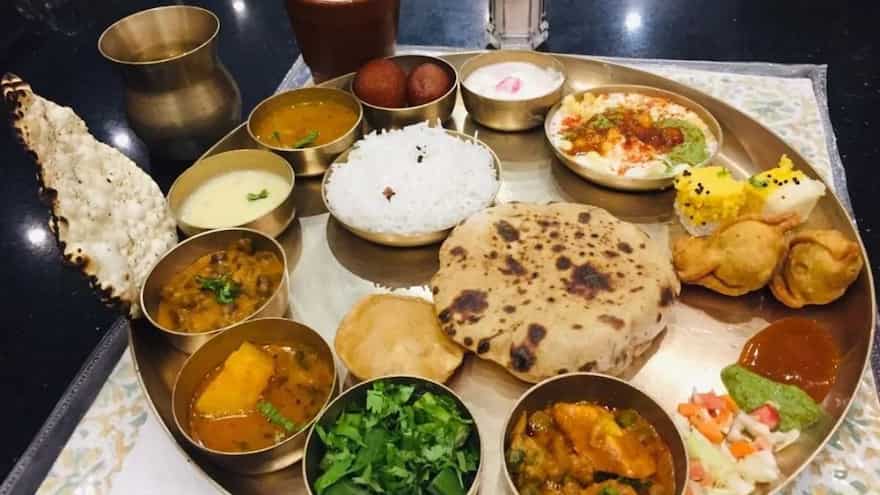
Image Credit: Wikimedia Commons
The Flavours Of North India
The tables were draped in the exquisite geometry of Phulkari, and the emphasis was on 'thals' served with curries, pickles, and breads.
The main course combined the best of Punjab's butter-laden tradition with the healthy flavours of Haryana, and in addition to the traditional Gajar Matar Naal Wadiyaan, guests were served Bharwan Vilayti Gobi or stuffed broccoli in a spicy Hare Tamatar Makhni or green tomato sauce along with Hisar Bajra Khichdi and Matar Wale Chawal.
The Bhatinde Wale Aloo, tempered with freshly ground herbs and tart amchur, also made an appearance on the menu. When it comes to the cuisine of Punjab and Haryana, the breads are always the main attraction. Chef Sokhi went well beyond the conventional naan, with Chukandari Chilgoza Naan, a gorgeous beetroot-pine nut hybrid and Masoor Dal ki Roti.
To end the dinner on the sweetest of notes, Indian grains were in focus, with a dessert menu that included Bajra Gud Churma Doda, a jaggery-sweetened millet crumble over a fennel-infused tart, served with Malai Kulfi. But what stole the spotlight among the desserts was the Ganne De Ras Di Kheer, a unique sugarcane-juice rice pudding with the crisp, nostalgic feel of Panjiri. Guests also enjoyed a selection of fresh fruits, along with masala saffron chai, mint tea, and coffee, representing the diverse range of beverages the country and its states offer.
A Representation Of Culinary Dishes That Shaped India’s Palate
Punjab has always been guarding India and providing food to different parts with its hardworking people, for several years, it has fought with the invaders from other countries. Be it Sikander or Babur, all emperors who tried to conquer India had to first traverse this field. The partition of India in 1947 ripped the land apart, but even after so much, you can again see blossoming mustard fields with the sun’s radiance.
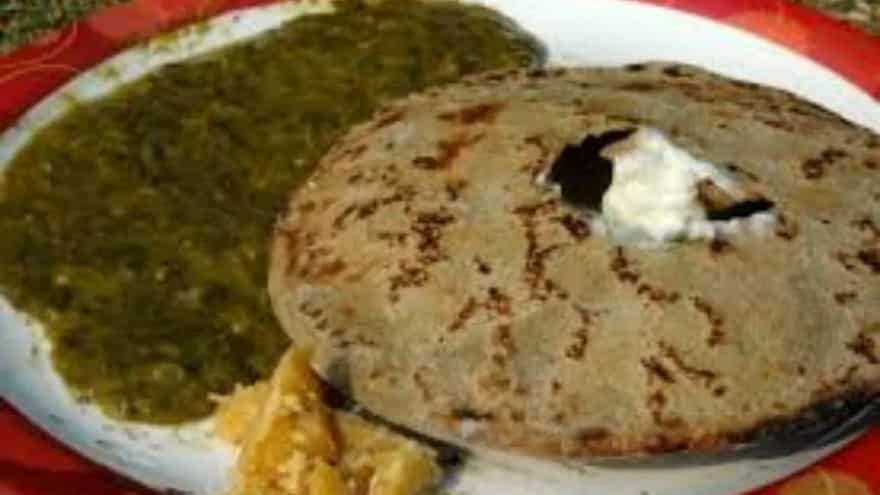
Image Credit: Wikimedia Commons
It won’t be wrong to say in this era that Punjabi food is the epitome of Indian food all across the world, and when you talk about North Indian cuisine, Punjabi food makes its position known with delicacies rich with ghee, butter, milk, and curd and of course, “Makke di roti te Sarso da saag”.




