


 Share
Share

The vada pav first appeared in Mumbai in the 1960s as a street-side invention designed to feed workers who needed an affordable and filling meal. Vendors placed a spiced potato fritter inside a pav bun, added chutneys for tang and spice, and soon a new food culture was born. Over the decades, vada pav has moved from the railway stations and street corners of Mumbai into homes, weddings, and festive gatherings. The idea of making vada pav in smaller portions has come up naturally, since large parties and family functions often require food that can be carried on a plate and eaten in a single bite. On Vada Pav Day, which is observed every year on 23rd August, many people experiment with new forms of this classic snack. Bite-sized versions fit perfectly into this celebration, and they show how the dish has grown into a part of modern Indian food culture.
Mini Vada Pav Sliders
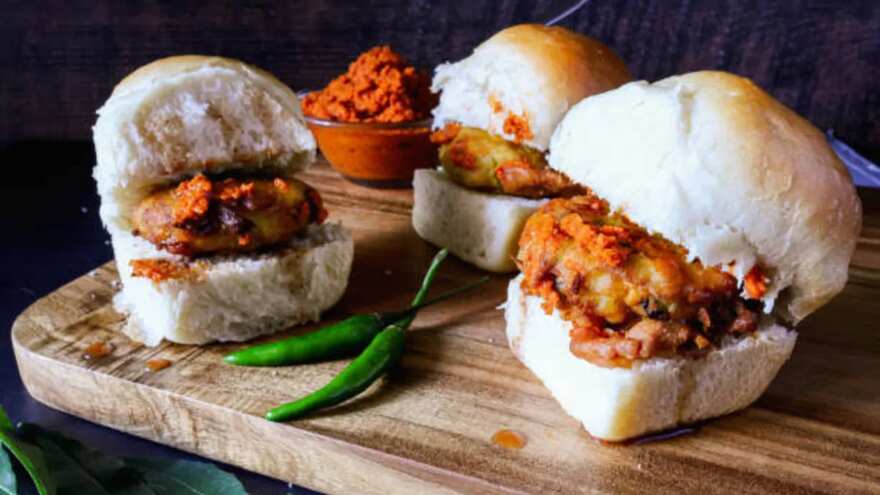
One of the simplest bite-sized variations is the mini vada pav slider. Instead of the regular pav, smaller dinner rolls are used to make these tiny sandwiches. The potato filling is made in the same way as the traditional version, with mashed potatoes, green chillies, ginger, garlic, and spices. The vada is fried to a crisp golden colour, but made in a smaller shape so that it fits into the small bun. Mint chutney and tamarind chutney are added as usual, but many home cooks also include a slice of cheese or a topping of fried onions to create a richer taste. These sliders are easy to serve at parties because they stay intact on a tray, and guests can pick them up without mess. The small size also allows people to taste other foods along with it during festive gatherings.
Vada Pav Chaat Cups
Another festive idea is to serve vada pav in the form of a chaat. For this version, small papdi or tart shells are used as the base. A portion of mashed potato mixture is placed inside the cup, and then it is topped with chutneys, chopped onions, sev, and coriander leaves. The fried vada is often broken into smaller pieces so that it can be arranged inside the cup. This version gives the familiar taste of vada pav while adding a crunchy base. Chaat cups are well suited for large gatherings because they can be prepared in advance and kept ready on a platter. Guests enjoy the contrast of flavours and textures, and the portion size ensures that everyone can have one or two without feeling too full.
Baked Vada Pav Bites
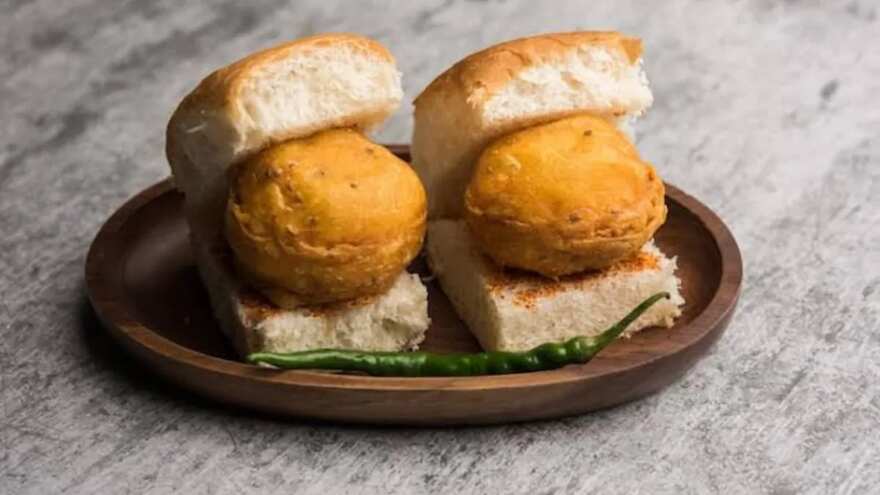
For families who prefer lighter festive foods, baked vada pav bites are a practical option. Instead of deep-frying the potato filling in gram flour batter, the mixture is rolled into small balls, brushed with oil, and baked until golden. These are then placed inside soft pav pieces or served with toothpicks and chutneys on the side. The baked version reduces oil while keeping the taste of the spiced potato mixture intact. Many home cooks add roasted peanuts or grated carrots to the filling for extra crunch. During festivals, when heavy food is served across multiple meals, baked bites offer a lighter option that still carries the flavour of the original snack. This approach also works well for children, since smaller portions are easier for them to manage.
Fusion Vada Pav Skewers
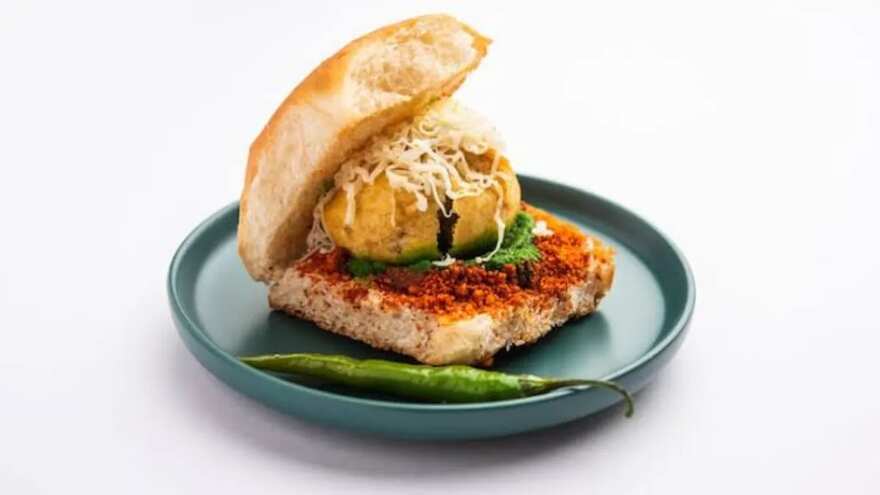
A modern party idea is the vada pav skewer, which combines the snack with elements of grilled appetisers. Small vadas are prepared and skewered along with cubes of pav, grilled vegetables, and sometimes paneer. The skewer is brushed with chutneys or a light sauce before serving. This style adds colour to the platter and allows guests to experience vada pav in a new way. The skewer format is popular at weddings and themed parties where presentation matters as much as flavour. It also makes serving easy, since each skewer is a self-contained portion that does not require plates. The mix of bread, spiced potato, and vegetables appeals to people who enjoy experimenting with familiar tastes.
Dessert-Inspired Sweet Vada Pav
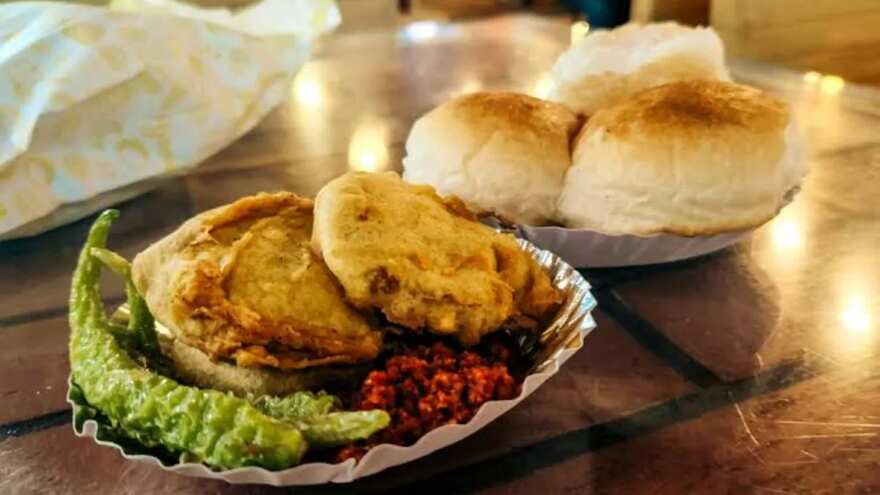
While vada pav is usually a savoury snack, some chefs and home cooks have experimented with sweet versions for festive menus. In this approach, the pav is filled with a sweet potato mixture flavoured with cardamom and nuts. Instead of chutneys, a drizzle of jaggery syrup or fruit preserve is used. These sweet vada pav are shaped in small portions and served as part of a dessert platter. Although unusual, the idea has gained attention in food festivals and experimental restaurants. Sweet versions show how flexible the concept of vada pav has become, and they allow families to include the dish in all parts of a festive meal, even at the end.




