


 Share
Share

The first thing that comes to mind when you think of South Indian food is often dosa. The thin and crispy texture of dosa goes well with coconut-tomato chutney and sambar. But have you ever thought about what happens to uttapam? It may not be as popular or thin as dosa, but it has its charm. Uttapam is soft, filling, and comes with a variety of toppings, ranging from masala aloo to onions, tomatoes, making it versatile. Why does it still stay in dosa’s shadow?
The truth is, uttapam carries its legacy. It isn’t just a second choice. It’s a dish that speaks of comfort, zero-waste cooking, and the joy of a meal that feels like a hug. Maybe it’s time to give this unsung hero the spotlight it deserves.
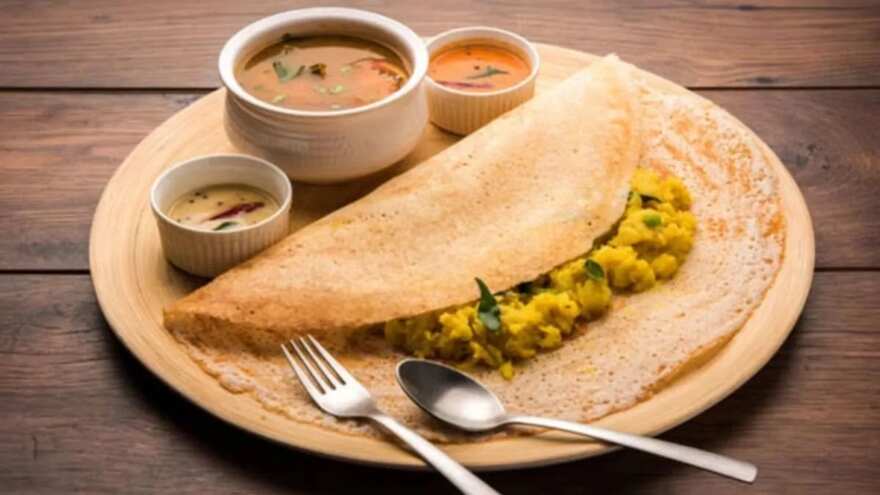
A Deeper Look At The Battle Between Uttapam And Dosa
The Texture Difference
Dosa’s magic lies in its thin and crispy texture. You can hear the crispiness of the dosa from its first bite itself. But uttapam is a bit different. It is soft, fluffy, and filling. While dosa excites us, uttapam brings comfort. In South Indian homes, uttapam is often made when the batter has slightly fermented beyond its perfect dosa stage. The thickened batter creates a fluffy base that holds the toppings beautifully. This is the best example of zero-waste cooking!
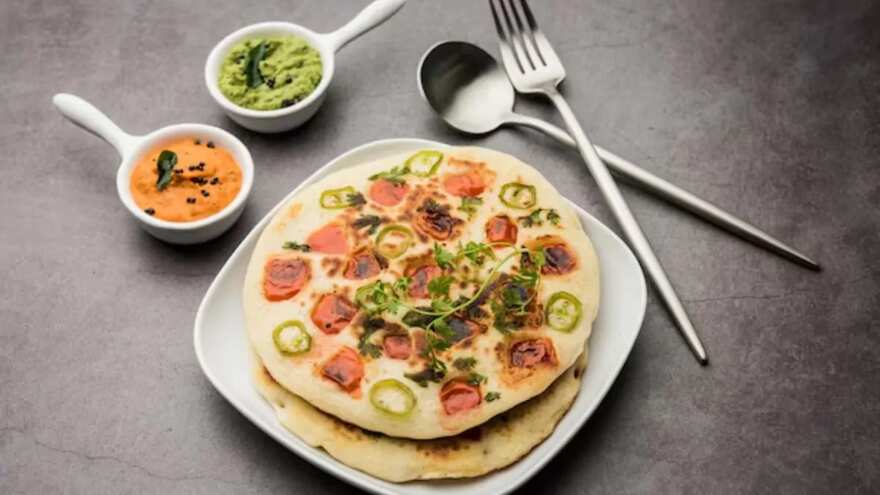
Secret Masala And Toppings
While masala dosa is a secret keeper with its potato filling, uttapam is like an open book with all its toppings. Finely chopped onions, tomatoes, green chillies, grated carrots, coriander, and even cheese or paneer (thanks to the trending uttapam versions these days) are on full display! Unlike dosa, where the filling is concentrated in one part, uttapam’s toppings are spread throughout.
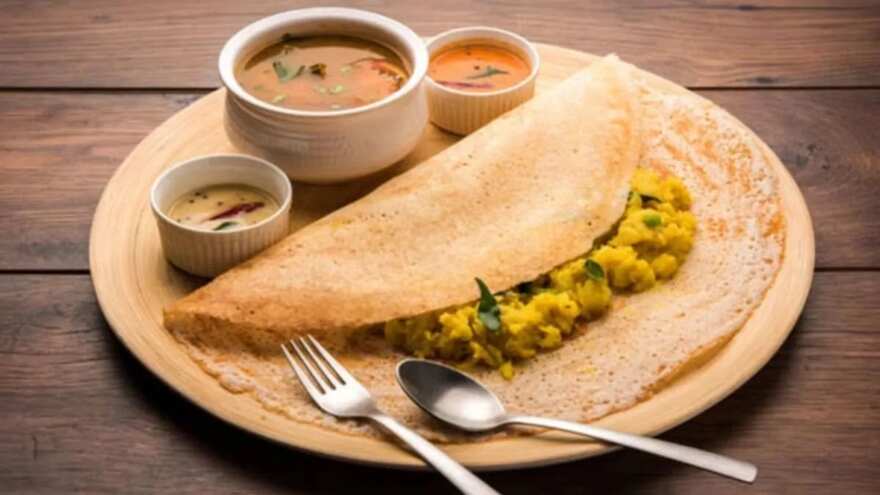
Making Dosa Is An Art
Whoever makes dosa at home knows that it is an art. Getting a thin batter, spreading it evenly, ensuring the tawa is not over- or under-heated, and getting the perfect golden lace is nothing less than tricky. Uttapam, however, is forgiving. It does not ask for perfection. You just need to pour the batter, spread it thick, add on the toppings, and let it cook, without any extra worries of having it thin or managing the heat of the tawa. This makes uttapam a regular in kitchens, especially for busy mornings, when everyone needs to be fed quickly.
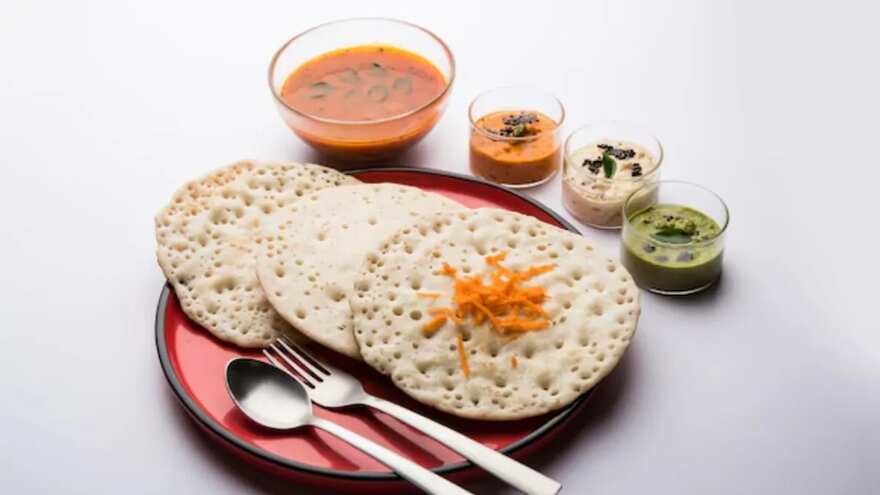
Health Benefits
Both dosa and uttapam are made from fermented rice and urad dal batter, making them both protein-rich and gut-friendly. However, uttapam has an edge over dosa because it is often cooked with less oil. The vegetables added as toppings, carrot, paneer, also make it more nourishing and filling, rather than the plain potato filling of dasa.
Dosa will always have its fan base because of its texture, crispiness, and taste, but it’s high time we do not consider uttapam as a ‘plan B’ of dosa. Uttapam has its character; it is warm, hearty, makes you full and has more nutrient content than dosa. Next time you visit a restaurant, order some uttapam, and you may just discover your new favourite!




