


 Share
Share

The durability and versatility of aluminium foil is no stranger to an Indian kitchen—since it is used widely across a number of applications, predominantly to do with food packaging. Like most other utility-based things within the space, the aluminium foil has its shares of advantages as well as limitations. Although infinitely better than single-use plastic or plastic wrap in terms of durability as well as capacity to preserve freshness, navigating the usage is always a hit or miss, when the knowledge surrounding it is limited. Typically, aluminium foil is a great conductor of heat—which makes it ideal to use in baking, roasting and grilling techniques, aside from maintaining the temperature of the food wrapped in it. Being mindful of the nuances of its applications is a great way to harness the advantages of having it handy during or after cooking.
Avoid Layering For Drips
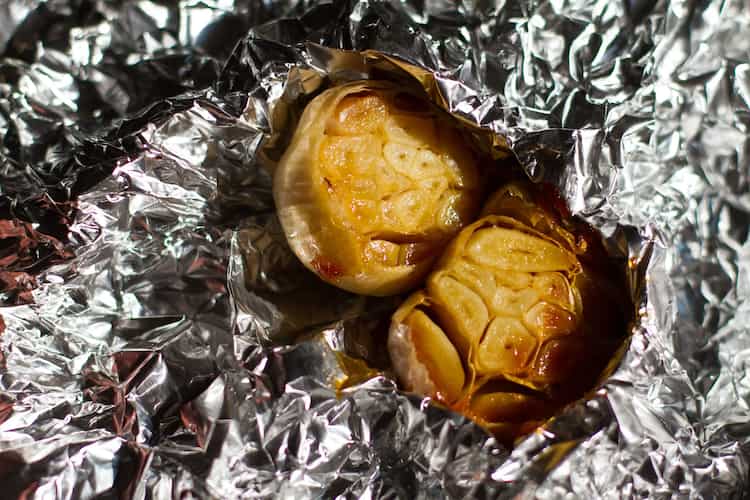
Image Credits: Flickr
While covering or lining a baking tray or sheet pan holding food is a great way to prevent its surface from browning too quickly or preventing burnished bits from sticking to the utensil, avoid placing the foil at the bottom of the oven rack since it not only causes the device to heat unevenly, but also causes long-term damage. Ideally, it is advisable to wipe or clean off any drippings after each use.
Prevent Microwaving
The common knowledge that anything metal is incompatible in a microwave, aluminium foil deflects the electromagnetic waves which would typically pass through glass, ceramic or paper—causing serious damage. In addition, the risk of the foil overheating could also cause an inflammable reaction, which might be dangerous within a kitchen space, irrespective of the ventilation facilities.
Also Read:
Extended Storage
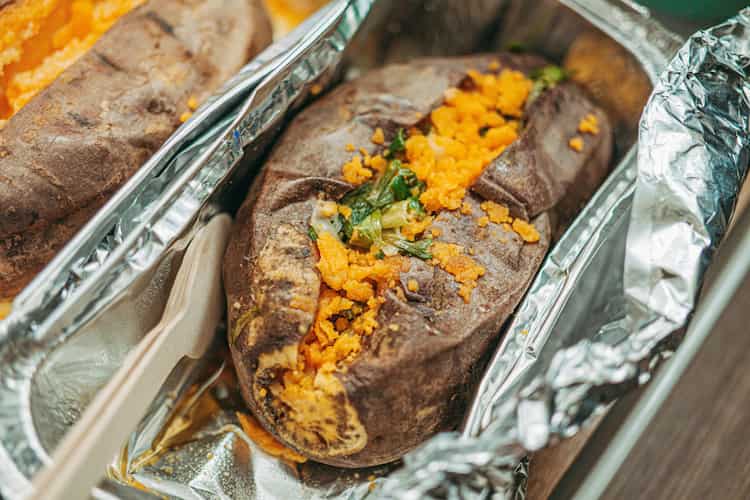
Image Credits: Pexels
Prolonged covering of salty foods in aluminium foil cause the wrap to degrade, raising potential health concerns when done over a period of time. Instead, it is always better to store foods in glass or ceramic containers, and using foil wrap to warm up or preserve warmth of the dishes once reheated. In addition to this, wrapping food for storage in foil also does not ensure air tight sealing, which might cause its odour to latch on to other items inside a refrigerator and vice versa.
Steer Away From Acidic Foods
If storing foodstuffs containing vinegar, tomatoes or tomato sauce in foil or covered with foil wrap, the acid in the ingredients might cause it to erode during the process of interacting with it over a few days’ time. This causes small amounts of the foil to migrate into the food, giving it a metallic taste while also creating pinprick holes in the wrap itself. Additionally, the formation of aluminium salts—in the form of white spots—form on the surface of the food, although not fatal but certainly inedible.
No Coverage While Stovetop Cooking
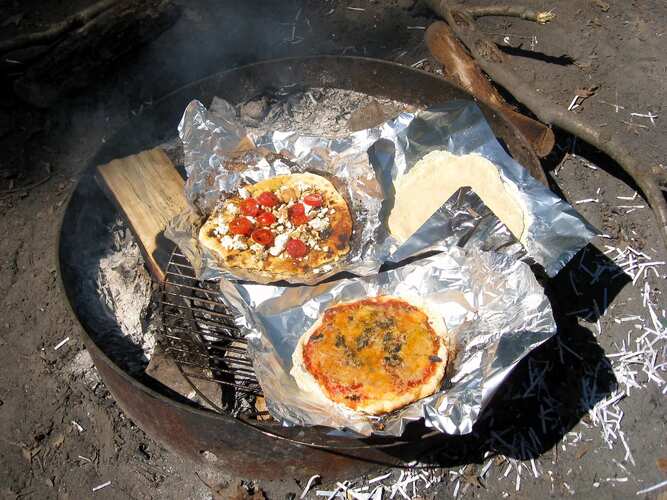
Image Credits: Flickr
In the absence of an actual lid or cover for a saucepan or cauldron, the convenient option to use aluminium foil might be counterproductive in the sense that it causes loss of moisture. Its inability to contain steam within the utensil as well as poor heat retention capacity might enable liquids to evaporate faster than expected—thus causing flavour loss in the process. In addition, a similar theory applies to long-term cooking of foods in the oven, particularly acidic ones—where the use of foil to cover might have the same effect.




