


 Share
Share

Most Indian households are familiar with paneer, and it is usually the first cheese that comes to mind in any Indian kitchen. It is easy to prepare, neutral in flavour, and used widely in both vegetarian and festive meals. However, there are other types of cheese that exist in different parts of the country, and many of them have been around for generations, though they are less visible or commercially produced.
Some of these cheeses are made fresh every day, whereas others are dried or aged in ways that suit the local climate. The textures range from soft and meant to be eaten plain to those in large stores or on menus, but they are still made in homes, villages, or traditional dairies. Each one tells you something about the food culture of the region it comes from.
Here are five cheeses from India that go beyond paneer, with suggestions on how they can be used in home-style cooking.
1. Kalari From Jammu and Kashmir
Kalari is a traditional cheese made in the Jammu region, prepared from full-fat milk, usually from buffalo. It is dense and stretchy and sold in the form of small discs that are salted and dried. It is usually shallow-fried or roasted before eating, and it develops a crispy outer layer while becoming soft and stringy inside when heated.
Kalari can be served hot in sandwiches or stuffed into kulchas with onions and green chutney. You can also eat it on its own with a bit of crushed pepper or salt. It does not need too many ingredients around it because the taste and texture are already very satisfying, especially when freshly fried.

2. Chhurpi From Sikkim & Darjeeling
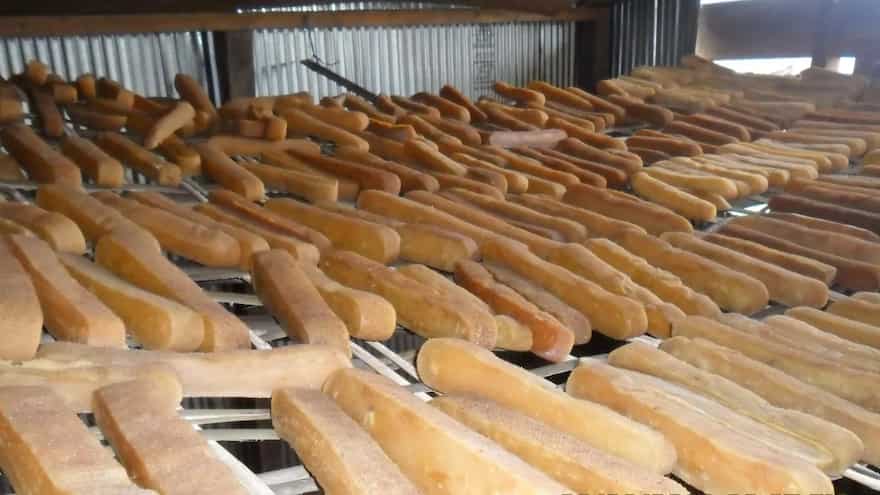
Chhurpi comes in both soft and hard versions and is widely eaten in the eastern Himalayan regions. The soft version is crumbly and mild, used in daily cooking, while the hard version is almost like a chewable snack. The flavour is slightly sour and earthy, and the cheese is usually made from yak or cow milk, depending on what is locally available.
Soft chhurpi can be mixed into cooked greens like spinach or mustard leaves with chopped garlic and chillies. You can also use it as a filling inside momos or cook it lightly in a tomato-based gravy with turmeric and onion. The hard version is not for cooking, but it is often used as a long-lasting chew during treks or cold weather.
3. Chhena From Odisha & Bengal
Chhena is a fresh, soft cheese made by curdling milk and straining the whey, and it is the base for many famous sweets like rasgulla and chhena poda. Unlike paneer, chhena is not pressed, so it retains moisture and remains crumbly. It is not just for sweets, though; many households use it in savoury cooking as well.
You can take fresh chhena and mash it with salt, green chilli, coriander, and a touch of mustard oil to make a quick and flavourful spread for parathas or toast. It can also be shaped into patties and lightly pan-fried with spices for a simple snack. In Odisha, some cooks add chhena to lightly spiced gravies made with ridge gourd or tomatoes for a soft, comforting dish.
4. Bandel Cheese From West Bengal (Portuguese influence)
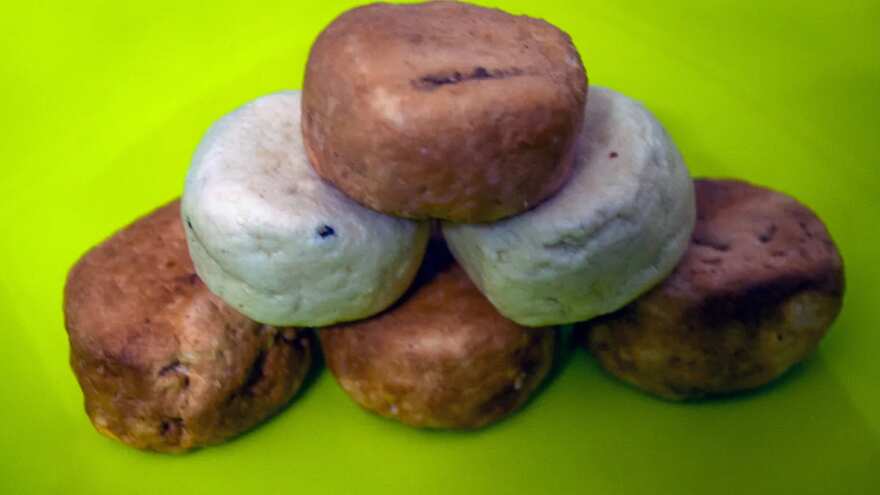
Bandel is a salted and smoked cheese sold in small, dry discs and is one of the few Indian cheeses with a distinct smoked flavour. It has a crumbly texture and is typically made by a handful of families in and around Kolkata, using methods passed down from colonial times.
Because of its strong taste, Bandel cheese is best used in small amounts. You can crumble it into pasta, mix it into a tomato soup, or sprinkle it on grilled vegetables. Some people use it in sourdough toast with a tomato and onion base. It also works well in oven-baked dishes where the saltiness brings out other flavours.
5. Topli Nu Paneer From Gujarat (Parsi tradition)
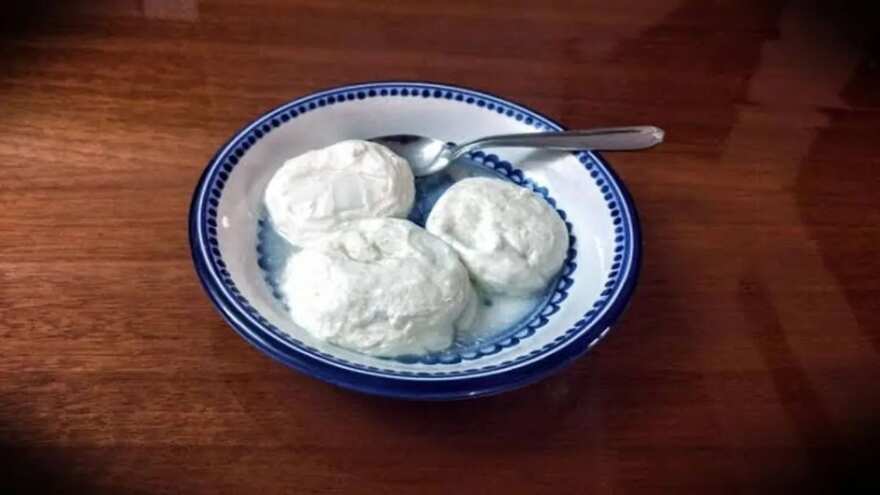
This soft cheese is made and set in small baskets, usually from palm leaves or bamboo, which gives it a distinct shape and texture. It is a part of old Parsi household cooking and is usually made from cow milk. It is not aged or salted much and must be eaten fresh, ideally the same day.
Topli nu paneer is best served plain with herbs, a sprinkle of salt, and a little mustard oil or olive oil. It also works as a light starter, paired with sliced cucumber or pickled onions. Because it is delicate, it is not cooked or fried, but eaten as is, often as part of a summer lunch or with a light khakhra.
Many regional cheeses in India go unnoticed simply because they are not widely available outside the areas they come from. Some are used for sweets, some for savoury snacks, and others for day-to-day meals. These cheeses are not mass-produced, which makes them harder to find, but they still form an important part of the food culture in their communities. Learning about them also helps us understand how diverse India’s dairy traditions really are. If you ever come across one of these cheeses, either on a trip or through someone who makes them, you’ll find they offer something new and worth trying in the kitchen.




