


 Share
Share

In the vast landscape of Turkish gastronomy, few dishes carry as much emotional weight as Ezogelin Çorbası. Known more commonly as the soup of the bride, this hearty, textured blend of red lentils and bulgur wheat is a staple across the Republic of Turkey. While many soups are appreciated for their flavour alone, this specific dish is inseparable from the folklore of its creator. It represents a story of beauty, migration, and the deep-seated longing for home that defines much of the Anatolian spirit. For an Indian audience familiar with the comforting embrace of a well-cooked Masoor Dal, this dish feels both exotic and strangely like home. It is a thick, hearty blend of red lentils, bulgur wheat, and fragrant dried mint, often finished with a sizzle of chilli-infused butter. However, to understand the soup, one must first understand the woman who gave the dish its name.
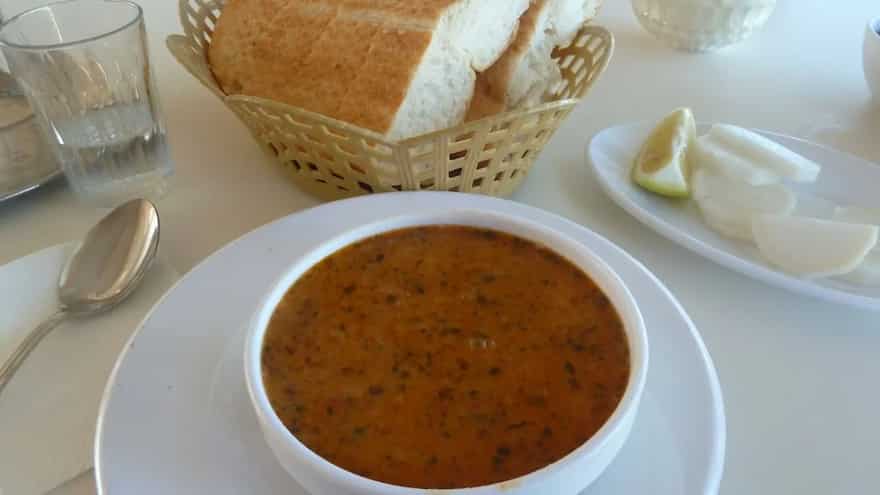
Image credit: Wikimedia Commons
The Legend Of Ezo Gelin
The story behind this soup is not merely a culinary footnote; it is a celebrated piece of Turkish folklore. The protagonist, Zöhre Bozgeyik, was born in 1909 in a small village near Gaziantep, a region in south-eastern Turkey famous for its rich gastronomic heritage. Because of her extraordinary beauty, she was affectionately called Ezo, which translates to beautiful.
The life of Ezo was marked by beauty but also by significant hardship. Her first marriage ended in heartbreak, leading her to move across the border into Syria. There, she faced the pangs of homesickness, longing for the hills of her Anatolian home and the familiar flavours of her village. Legend suggests that she created this specific soup to win over the heart of her mother-in-law or perhaps as a tribute to the home she left behind.
Ezo passed away in 1956, but her legacy remains a symbol of the resilient spirit of women in the region. The soup became a staple of Turkish hospitality, representing the transition of a woman from her family home to a new household. Even today, it is a tradition in many parts of Turkey to serve this soup to prospective brides to ensure their future happiness and success in the kitchen.
Cultural Significance
In Turkey, soup is not merely an appetiser; it is a foundational meal. It is common to start the day with a hot bowl of soup or to enjoy it late at night after a long gathering. The Ezogelin soup holds a special place in this culture because it combines the three pillars of Anatolian sustenance: lentils for protein, bulgur for texture, and mint for digestion.

Image credit: Pexels
For the Indian palate, the similarities are striking. The use of red lentils, known as Masoor Dal in India, provides a familiar creamy base. The addition of bulgur wheat offers a chewy texture similar to broken wheat or Dalia. Furthermore, the technique of finishing the soup with a spiced butter or oil is almost identical to the Indian practice of Tadka. The significance of the soup also mirrors Indian wedding traditions. Just as Indian brides often bring family recipes to their new homes, the story of Ezo highlights the emotional weight of food during major life transitions. It is a dish that speaks of migration, adaptation, and the enduring power of a home-cooked meal.

Image credit: Pexels
Nutritional Profile: A Powerhouse In A Bowl
Before diving into the preparation, it is worth noting why this soup is a nutritional treasure, especially for those following a vegetarian or plant-based diet common in many Indian households.
• Red Lentils: These are an excellent source of plant-based protein and dietary fibre. They cook quickly and break down to create a naturally thick consistency without the need for flour or heavy cream.
• Bulgur Wheat: Unlike refined grains, bulgur is a whole grain that provides a steady release of energy. It is rich in manganese and magnesium.
• Dried Mint: In Turkish medicine, mint is prized for its ability to soothe the stomach. Its inclusion in this heavy soup helps with digestion.
• Paprika and Chilli: These provide antioxidants and a metabolism boost, along with the characteristic warmth that Indian diners appreciate.
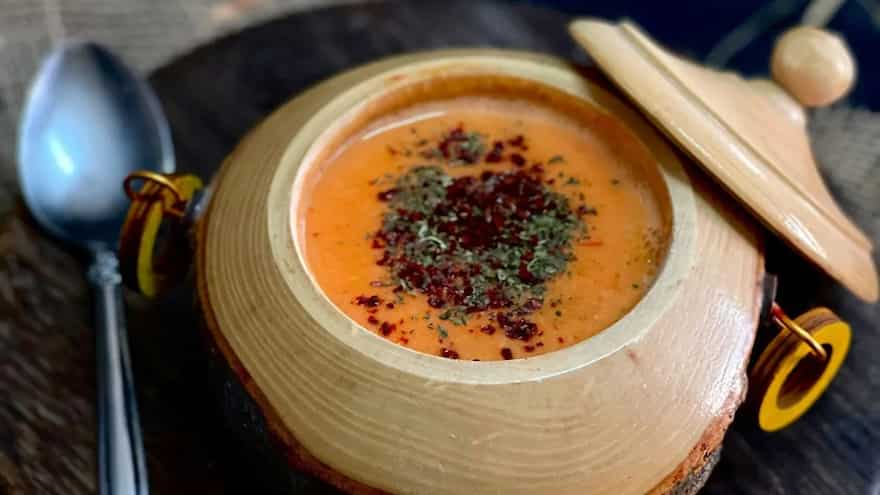
Image credit: Pexels
Recipe: Authentic Ezogelin Çorbası
To recreate this dish with authenticity, focus on the quality of the pulses and the timing of the spice infusion. This recipe yields approximately four to six servings.
Ingredients
The Base:
• 200 grams red lentils, thoroughly rinsed
• 50 grams fine bulgur wheat
• 30 grams white rice
• 1 large onion, very finely minced
• 2 cloves of garlic, crushed
• 1.5 litres of hot water or light vegetable stock
• 2 tablespoons tomato paste
• 1 tablespoon Turkish red pepper paste (if unavailable, use an extra tablespoon of tomato paste with a pinch of smoked paprika)
• 3 tablespoons olive oil
• Salt to taste
The Spiced Butter (Yakma):
• 40 grams unsalted butter
• 1 tablespoon dried mint
• 1 teaspoon Aleppo pepper flakes or standard red chilli flakes
• 1/2 teaspoon paprika
• Fresh lemon wedges for serving

Image credit: Adobe Stock
Preparation Method
Step 1: The Aromatic Base
Heat the olive oil in a large, heavy-bottomed saucepan over a medium heat. Add the minced onions and cook slowly for about eight minutes. The onions should become soft and translucent but should not take on colour. Add the garlic and cook for a further minute until fragrant.
Step 2: Developing the Sauce
Incorporate the tomato paste and the red pepper paste into the onions. Stir vigorously for two to three minutes. This step is vital as it caramelises the sugars in the paste and removes the raw edge, resulting in a deeper colour and a more complex flavour.
Step 3: Adding the Grains
Add the rinsed red lentils, the bulgur, and the rice to the pot. Stir well to ensure every grain is coated in the oil and tomato mixture. This brief toasting helps the grains maintain some integrity during the boiling process.
Step 4: The Simmer
Pour in the hot water or stock. Bring the liquid to a gentle boil, then reduce the heat to low. Cover the pan and simmer for approximately twenty-five to thirty minutes. Check the soup occasionally; the lentils should dissolve and thicken the liquid, while the bulgur and rice should be tender but visible.
Step 5: The Finishing Touch
Just before serving, prepare the spiced butter. Melt the butter in a small skillet until it begins to foam. Add the dried mint, chilli flakes, and paprika. Stir for thirty seconds until the butter turns a deep red and the mint smells toasted. Remove from the heat immediately to prevent burning.
Step 6: Presentation
Ladle the hot soup into deep bowls. Drizzle a generous spoonful of the spiced butter over each portion. Serve immediately with plenty of fresh lemon wedges on the side.
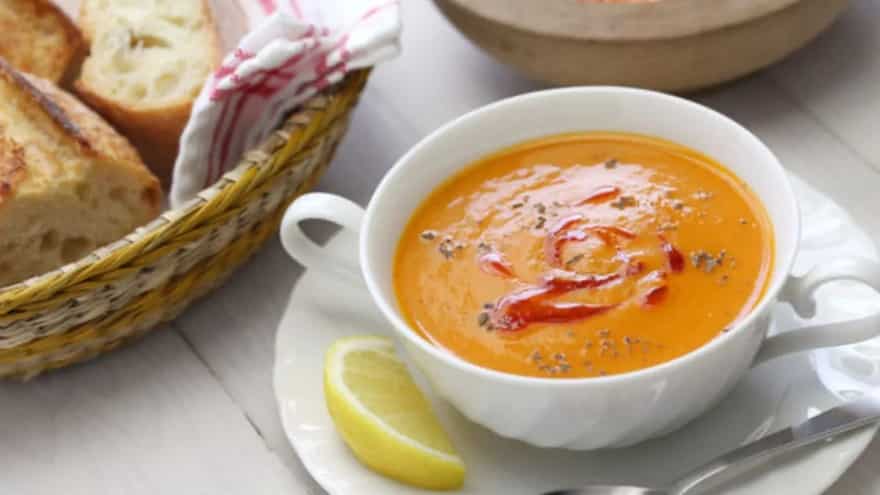
Image credit: Adobe Stock
Serving And Storage
In a traditional Turkish setting, this soup is always served with a side of crusty bread. The acidity of the lemon is not optional; it is essential to cut through the density of the lentils and brighten the entire dish.
The soup stores exceptionally well. In fact, many find that the flavours develop and improve the following day. However, be aware that the bulgur and rice will continue to absorb liquid as the soup sits. When reheating, you will likely need to add a splash of boiling water to return it to its original consistency.




