


 Share
Share

A typical Bengali meal includes rice, dal, and a bowl of fish curry or mutton curry. Before the main course, Bengalis enjoy at least one tento (bitter) dish. One such bitter delicacy is ‘shukto’, a mix of vegetables and a bitter broth. Shukto serves as a palate cleanser before diving into the main course. This dish usually features essential ingredients like shojne danta (drumsticks), ucche (bitter gourd), and bori (sun-dried lentil dumplings) topped with an optional dash of radhuni (wild celery). Milk and ghee are also added to give a creamy texture to the gravy.
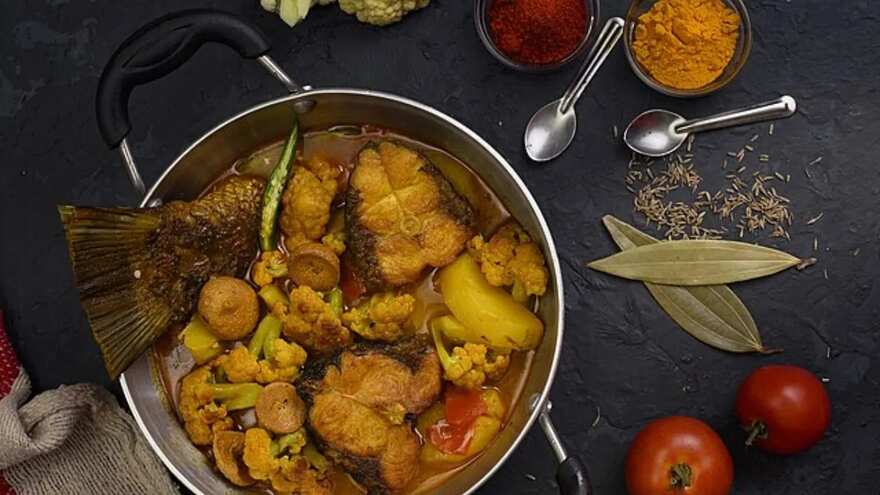
Image Credit: Wikimedia Commons
Although shukto is typically niramish (veg), certain ingredients can turn the dish into an amish (non-veg) stew as well. The amish shukto traces its origins to East Bengal (now Bangladesh). When it comes to Bangladeshi dishes, freshwater fish is a staple. Here, the main ingredients are the many varieties of meat and the extensive use of onions and garlic. The Bangladeshi version of shukto frequently includes fish heads or tiny bits of meat, typically prawns or mutton. It was a method of giving the bittersweet broth body and depth, which made it more aromatic and hearty.
Another origin of amish shukto can be found in the cookbooks of ‘Thakurbarir Ranna’, by Purnima Thakur of the Tagore household. Many of the recipes in Purnima Thakur's book are ones that a normal Bengali family would not try. The Tagore family were travelling internationally back then and wanted to introduce a few diverse delicacies to the kitchens of Bengal. The thakurbari kitchen was literally a melting pot of cultures. Thus, amish shukto happens to be one of the peculiar recipes they hold dear.
Something not cooked every day, but on occasions when a little extravagance is needed. This version serves as a reminder even now of how Bengali food has developed internationally while maintaining its traditions. Very rarely do Bengali families cook non-vegetarian shukto. Maybe, once in a blue moon, to experience all the hype. The most commonly cooked non-vegetarian forms of shukto are the following:
Bhangachora Shukto
Using the same ingredients, Bhangachora shukto is a fusion of fresh vegetables and chunks of fish. For this recipe, you can use heads of rohu, katla or pabda. What sets it apart? There is no use of any bitter elements but radhuni powder (wild celery seed) is a must. The texture has to be almost mushy with a heavy dash of onion and garlic.
Thakurbari Macher Shukto
From the kitchen of Rabindranath Tagore’s home, this recipe also follows a similar cooking method. Use four large rohu pieces, a few small-chunked brinjals, two small-chunked ridge gourds, and two long-sliced potatoes, if possible. Spice it up with chopped ginger, turmeric, cumin, and coriander powder. In mustard oil, cook everything. It should have a thicker consistency. If there is still water, open the cover and continue cooking. When it thickens, it's ready.
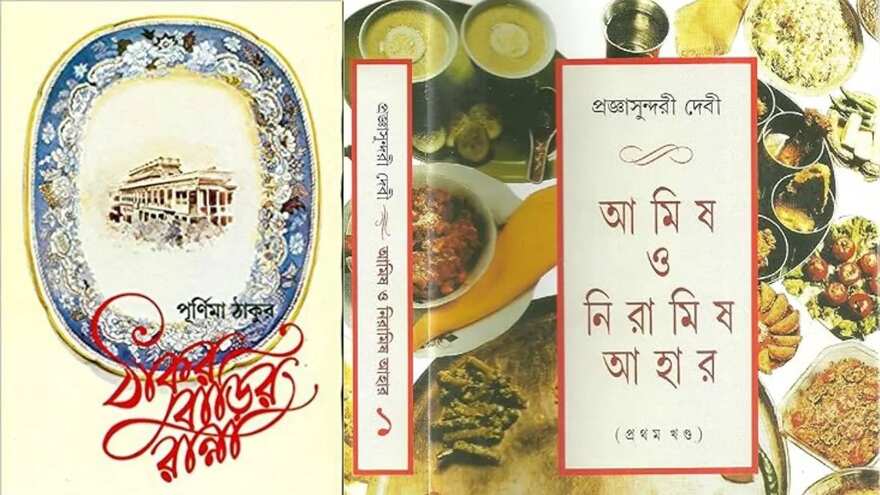
Image Credit: Wikimedia Commons
Ilish Shukto
Gently wash the ilish or hilsa pieces, marinate them in salt and turmeric powder, and then leave them for a period of ten minutes. In the same pan, cook the Hilsa until golden brown after whisking the spices in mustard oil for shukto. Lastly, combine all the ingredients, including the paste and veggies, and boil for 8 to 10 minutes. Serve over hot rice. This is also a well-known treat that attracts large crowds during the Sunderbans Hilsa Festival.
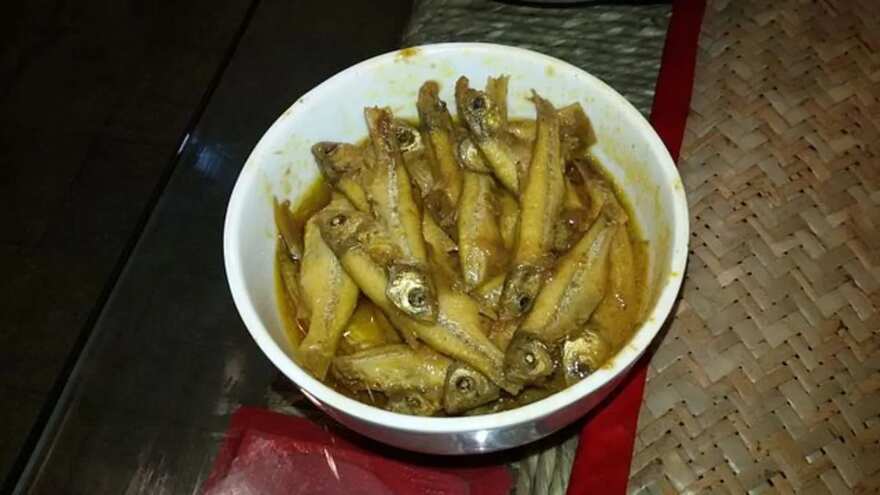
Image Credit: Wikimedia Commons
Mourala Macher Shukto
One potato, half a brinjal, one ridge gourd, a small Mourola fish, and a small piece of raw papaya, all cut into thin strips, should be prepared. Mourola fish should be carefully cleaned and scaled with salt, washed, then marinated with salt and turmeric before cooking. Always use mustard oil for cooking. Lightly fry the fish. Next, add a bay leaf, turmeric, Radhuni (wild celery seeds), and a little chopped ginger to the mustard oil and boil everything. In Bangladesh, West Bengal, and Orissa, this mourala macher dish is highly well-liked.




