


 Share
Share

TRICK OR TREAT? Something unlikely to be heard at many doors this Halloween. Across certain neighbourhoods, the misers and minimalists of every village will once again be shunning anyone ringing the bell in search of sugar. Apparently, placing a pumpkin outside your house is the standard invitation to call — as much effort, some would say, as buying the wretched sweets in the first place. Bah humbug (and, for the record, there won’t be any of those in the house either).
And just as well, really. Not just because of general curmudgeonliness, but because of what all that sugar can do. Far more than cavities in teeth and hyperactive kids climbing the curtains — think gut inflammation, kidney damage, and heart disease. Literally.
Take the case of one unfortunate chap in the news recently who consumed a whole 3kg bag of jelly cola bottles over three days. He ended up in hospital, blocked up with gelatine and overloaded with sugar that caused acute diverticulitis: inflammation of small pouches in the colon, which generates severe abdominal pain, fever, and sometimes even rectal bleeding.
Luckily, he recovered — though with a new and healthy aversion to cola bottles, which is probably for the best. It just goes to show that too much of a good thing can be dreadful.
Let’s take a peek at some of the other perils associated with confectionery. As it turns out, sugar isn’t the only enemy.
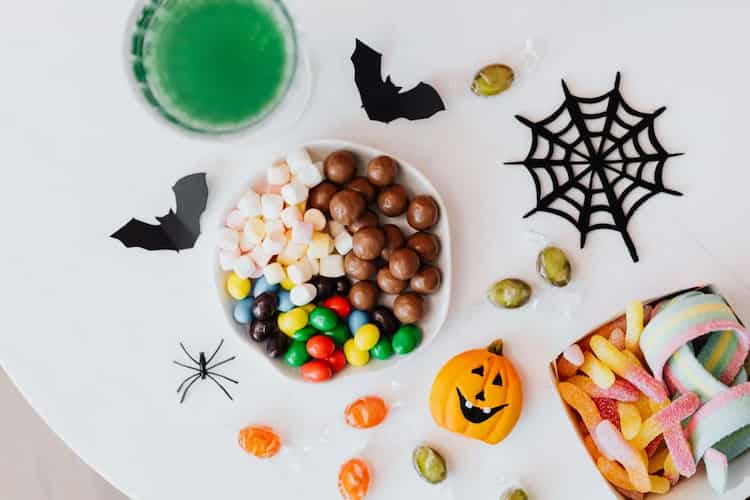
It might help the medicine go down, but Mary Poppins never had to take Jane and Michael to the dentist, did she? Most are taught from an early age that sugar is the enemy — and, in truth, it can be.
Sugar starts its damage the moment it hits the mouth. It feeds the many colonies of bacteria living there, which proliferate and release acids that corrode tooth enamel. Prolonged exposure then wears through to the deeper layers of the tooth, causing cavities and hidden decay. Bacterial plaque development also generates gum irritation — otherwise known as gingivitis — which can also lead to persistent bad breath as bacteria release unpleasant sulphur compounds.
Once absorbed from the gut, sugar spikes blood glucose levels. These cause short-term bursts of hyperactivity and anxiety, followed by fatigue and irritability as levels crash — setting up a vicious circle of cravings and overconsumption.
Many blame sugar for diabetes mellitus — the medical term for disorders that affect how the body processes blood glucose — and in the case of Type 2 diabetes, they’re not wrong. High-sugar diets can drive weight gain and insulin resistance, the hallmarks of the disease. It doesn’t, however, cause Type 1 diabetes, where the pancreas stops producing insulin. But the effects of too much sugar reach far beyond diabetes, contributing to heart and liver disease, high cholesterol, and high blood pressure, to name but a few.
Liquorice all-sorts of issues
Nigella Lawson is well known for showcasing her black toolbox compendium of liquorice-related goodies — some decidedly more palatable than others. What many may be surprised to learn is that the traditional black stuff can pack quite a punch.
It’s made from the root of the plant Glycyrrhiza glabra — and the aromatic extract mixed with sugar, gelatine, or starch to create the chewy confection everyone recognises. Its active ingredient, glycyrrhizin, doesn’t just bring that distinctive anise taste; it can also meddle with hormones.
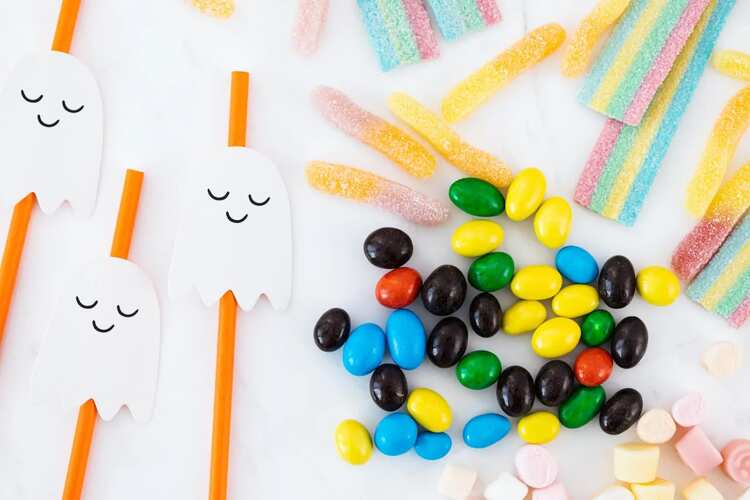
In small doses, liquorice can help relieve indigestion and may have some anti-inflammatory properties. One medical anecdote often cited in renal lectures highlights just how potent it can be: glycyrrhizin mimics the effects of adrenal hormones such as cortisol and aldosterone, which regulate blood pressure and fluid and electrolyte balance. In excess, this mimicry can trigger fluid retention, muscle breakdown, and even heart, liver, or kidney failure.
Advisory bodies have actually set recommended limits for consumption — less than 100mg of glycyrrhizin a day for adults, roughly 50g of traditional black liquorice. It’s also best avoided altogether by those suffering from significant heart or kidney disease. So if anyone’s knocking back the allsorts, it’s best done sparingly.
Sherbets and super sours
One of the great childhood favourites for many remains the sherbet Dip Dab — a bag of mouth-puckering powder with a strawberry lolly for dipping. It seemed like magic: sweet, sour, and fizzy all at once. What later becomes apparent is how easy it is to make — just sugar and citric acid from the chemist’s shop.
Citric acid also gives those “super sour” bonbons their face-contorting power. Several studies have found such sweets possess a pH as low as 2.3 — intensely acidic — and can drastically alter the acidity of saliva, stripping enamel from teeth. The erosive potential of some commercially available sweets, especially on milk teeth, is staggering.

Beyond the mouth, the effects are less clear. There are media reports of mouth ulcers from sour sweets, and it’s known that acidic irritation of the stomach lining can trigger inflammation and ulceration. The impact of sherbets and sours on the gut remains to be seen — though few would volunteer to find out.
So, while candies and chocolates can certainly be enjoyed responsibly, it’s worth remembering their wider effects — especially in children, whose sweet tooth is more pronounced. Consider ways to limit sugar intake, so the occasional treat doesn’t quickly become a double-trouble trick. And from there, a longer-term issue.
After all, it’s Halloween — and the last thing anyone wants is their own digestive system playing nasty tricks on them.
Dan Baumgardt is a Senior Lecturer at the School of Psychology and Neuroscience, University of Bristol. This article has been reproduced with minor editorial adjustments from the original version published on The Conversation, and is republished here under a Creative Commons licence.




