Share
Share

As soon as the dawn of Mahalaya brings in the ‘Mahishasurmaridini’ by Birendra Krishna Bhadra broadcast via AkashBaani Kolkata, the fragrance of Shiuli phool (Night-flowering jasmine) turns a bit more nostalgic. Accept it or not, from what to wear to planning pandal hopping with friends, they exclusively plan their Durga Pujo menu, Bengalis wait throughout the year for one more Pujo to arrive. 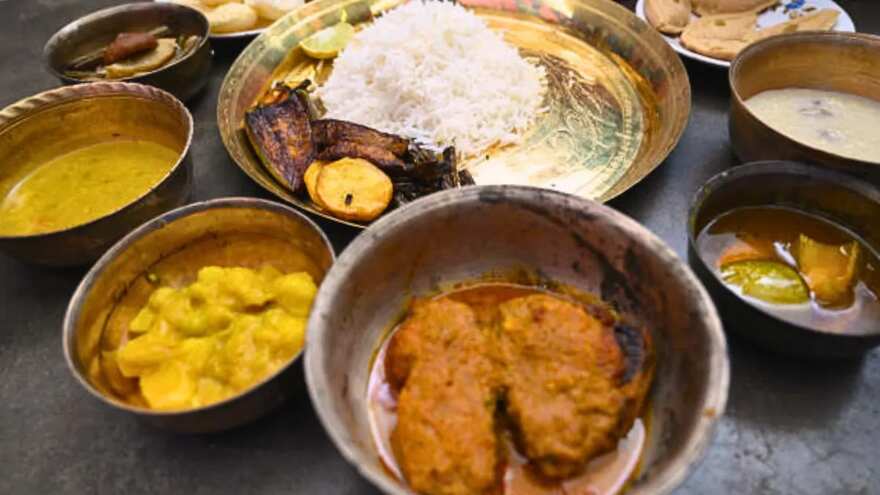
Whether it is Luchi mangsho, Koraishutir kochuri alur dom, Dim er Devil, jilipi, or makha sandesh, Durga Pujo is all about fun, food, and celebration for Bengalis. Owing to my ‘Bangal’ origin from Dhaka, Birkrampur, Kancha Chingrir Tel Jhal, Boyal Machher Tel, Chhola diye Kochu shaak, Aam ada Daal er bora, are some of the most-loved yet rare dishes that are especially prepared during Durga Puja.
From Dida to Maa and Mashi, they have prepared Panta Bhaat, Kochur Loti, Murighonto, and Boyal Machher Jhal at home during Debipokkho (the goddess's arrival). These forgotten dishes, once a staple of every Bengali kitchen, return to our plates during festive gatherings. With people getting busier with work, leaving for other countries, their heirloom recipes are becoming extinct. And that’s why Slurrp decided to bring some of these rare recipes for the food enthusiasts.
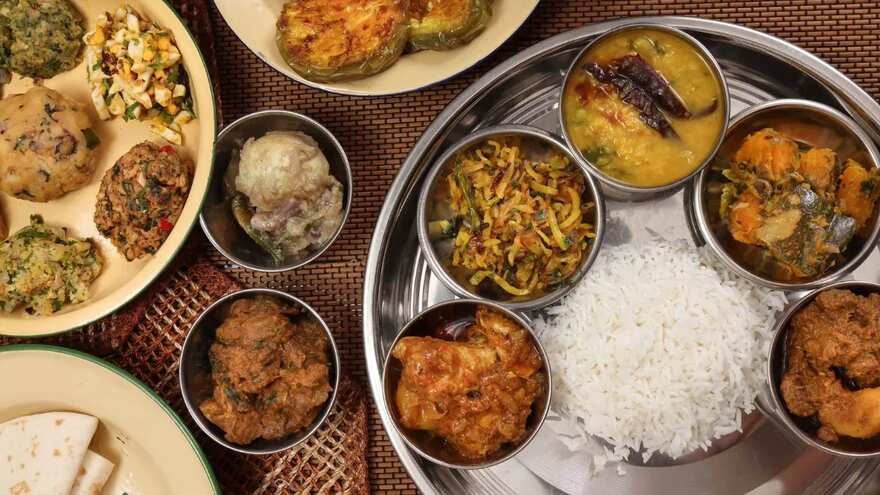
Here’s to the stories of Bengali home chefs who preserve these recipes, often passed down from generation to generation. From Niramish Thor Ghonto to Kulothokolai Mangsho Bata, these recipes preserve family traditions, flavours, and stories.
Jayeeta Ghosh: Rediscovering Bengali Culinary Heritage Through Creative Recipes
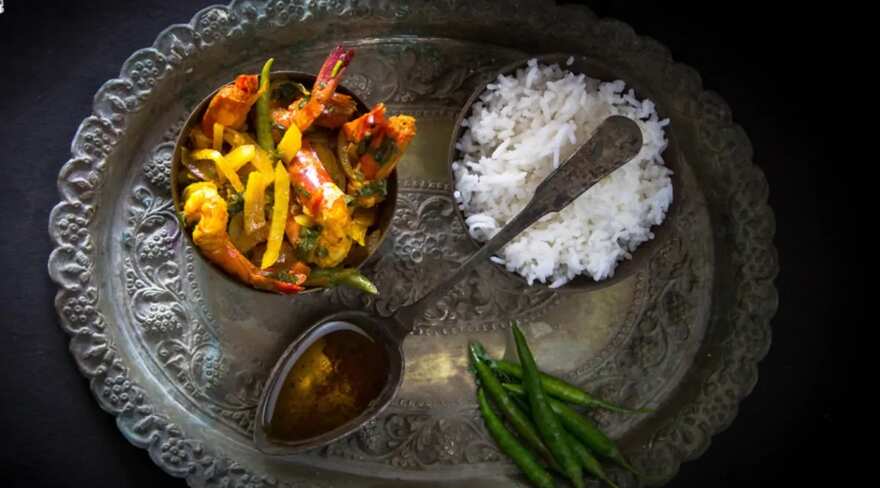
The culinary entrepreneur and former marketing strategist Jayeeta Ghosh has creatively revived traditional Bengali dishes. Her culinary venture, Haarir Khobor, reflects her deep respect for Bengali food culture and her passion for blending old flavours with modern twists. Jayeeta draws inspiration from family traditions, travel experiences, and the flavours of her native Bengal.
Niramish Thor Ghonto
Durga Puja recipes comprise both vegetarian and non-vegetarian dishes and Niramish Thor Ghonto is one of the celebrated recipes. This Bengali side dish made with banana stem (thor) and dal is served on special occasions or during simple meals. This recipe enriches this dish with Bengali Gobindobhog rice, a fragrant short-grain rice.
Ingredients (Serves 4):
- Banana stem (thor) – 3 cups, finely chopped, fibers removed
- Gobindobhog rice – ¼ cup, washed and drained
- Moong dal – ½ cup, dry roasted
- Potato – 1 medium, diced small
- Ginger paste – 1 tsp
- Cumin powder – 1 tsp
- Turmeric powder – ½ tsp
- Green chillies – 2, slit
- Bay leaf – 1
- Cumin seeds – ½ tsp
- Mustard oil – 2 tbsp
- Ghee – 1 tsp
- Sugar – ½ tsp
- Salt – to taste
Method:
- Peel, chop, and clean the banana stem, removing any fibers. Blanch the pieces in salted water with a pinch of turmeric, then drain well.
- Pressure cook the roasted moong dal with 2 cups of water until soft but not mushy.
- Heat mustard oil in a pan. Add bay leaf and cumin seeds. Add diced potatoes and sauté with turmeric and salt until half-cooked.
- Add the blanched thor, ginger paste, cumin powder, and green chilies. Stir well and cover until the thor softens.
- Add the washed Gobindobhog rice and fry for a few minutes until the rice absorbs the spices.
- Pour in the cooked dal, adjust the salt, add sugar, and let everything simmer gently until the rice is cooked and the mixture reaches a dry, ghonto (dry vegetable dish) consistency.
- Drizzle with ghee before serving.
Kacha Chingrir Dom: A Light Yet Flavourful Prawn Curry
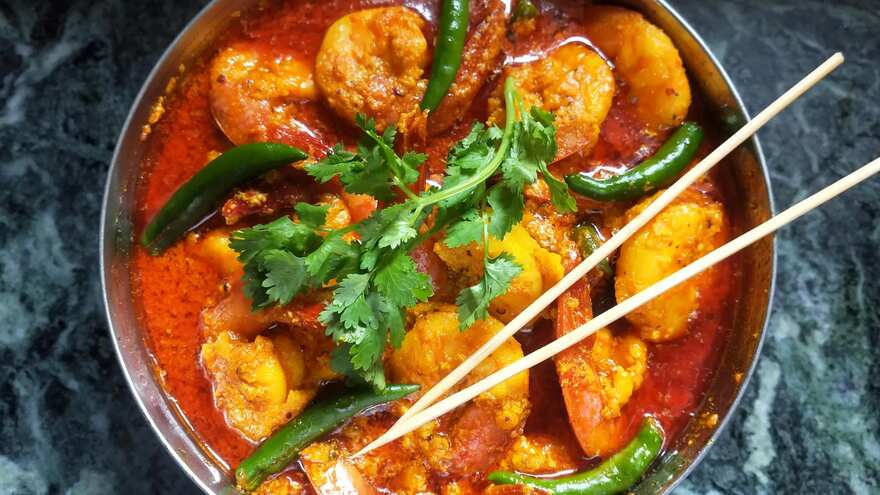
Image Credit: Wiki Commons
While the whole world is running behind Daab Chingri and Chingri er Malakari, Kacha Chingrir Dom is one of the long-forgotten Bengali prawn curries. This dish is characterised by its light, subtly sweet gravy, flavoured with potatoes, onions, and a touch of ghee. A plate of hot piping rice and a spoonful of Kacha Chingrir Dom, and your Saptami family lunch is quite sorted.
Ingredients (Serves 4):
- Medium prawns – 500 g, cleaned and deveined
- Potato – 1 large, diced into cubes
- Onion – 1 large, finely chopped or pureed
- Garlic – 4 cloves, minced
- Green chilies – 2, slit
- Turmeric powder – ½ tsp
- Red chili powder – ½ tsp (optional)
- Coriander powder – 1 tsp
- Mustard oil – 2 tbsp
- Ghee – 1 tsp
- Salt – to taste
- Sugar – ¼ tsp (optional)
- Fresh coriander leaves – to garnish
Method:
- Wash prawns well and marinate them with turmeric and salt.
- Heat mustard oil and fry the diced potatoes until lightly golden. Set aside.
- In the same pan, add more oil and ghee. Sauté chopped onions until golden. Add garlic and green chilies and sauté until fragrant.
- Stir in turmeric, coriander powder, and optional chili powder. Fry until the spices cook through.
- Add potatoes and prawns, coating them with the spice mix. Pour in a cup of water, cover, and simmer until the prawns are cooked and the potatoes are soft.
- Adjust salt and add a pinch of sugar, if desired. Let the gravy thicken to a medium consistency.
- Drizzle with ghee before turning off the heat and garnish with coriander leaves.
Luchir Payesh: A Sweet Bengali Delight
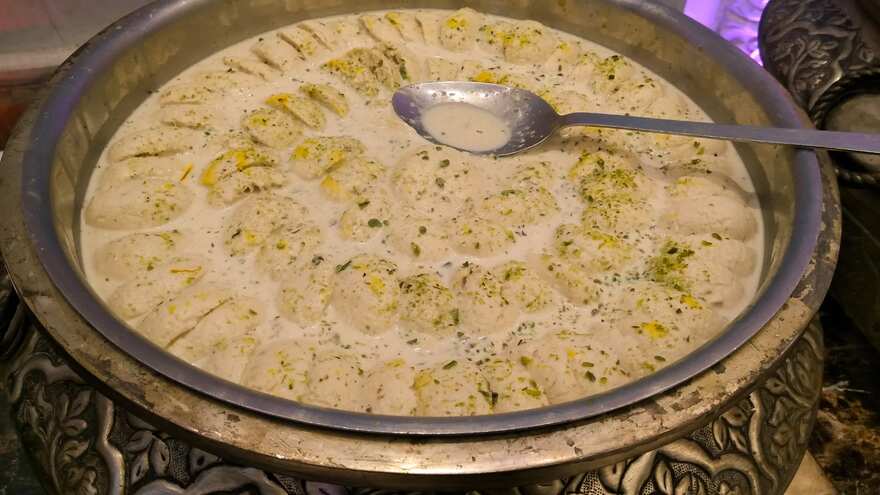
Image Credit: Wiki Commons
Payesh is an auspicious part of any Bengali occasion, and Bengalis truly have the Midas touch to turn anything into a dessert. While payesh traditionally refers to a rice pudding made with milk and cardamom, Jayeeta brings a unique twist by using crisp, fried luchis (puffed bread) in her dish. Luchir Payesh. This decadent dessert is soaked in thickened milk and flavoured with ghee and sugar. It’s a rare delicacy once prepared during festive times, now rediscovered for a modern palate.
Ingredients (Serves 4):
- Luchi – 8 to 10 (small, fried fresh or a little stale)
- Full cream milk – 1 litre
- Sugar – ½ cup (adjust to taste)
- Khejur Gur (date palm jaggery) or laal batasha – ⅓ cup
- Bay leaf – 1
- Green cardamom – 2, lightly crushed
- Ghee – 1 tsp
- Cashew nuts – 8 to 10, lightly fried
- Raisins – 1 tbsp, soaked
Method:
- Boil milk in a heavy-bottomed pan with bay leaf and cardamom. Simmer on low flame, stirring occasionally, until it thickens to almost half its original volume.
- Add sugar and ghee, stirring until the sugar dissolves completely, and the milk takes on a creamy consistency. Add the jaggery (or batasha) for extra flavour and colour.
- Tear the luchis into halves or quarters and gently place them into the thickened milk. Let them soak for a few minutes until they become soft but not mushy.
- Add fried cashews and raisins. Stir gently and remove from the heat.
Rohitashwa Guha: A Legacy of Sweet Stories and Recipes
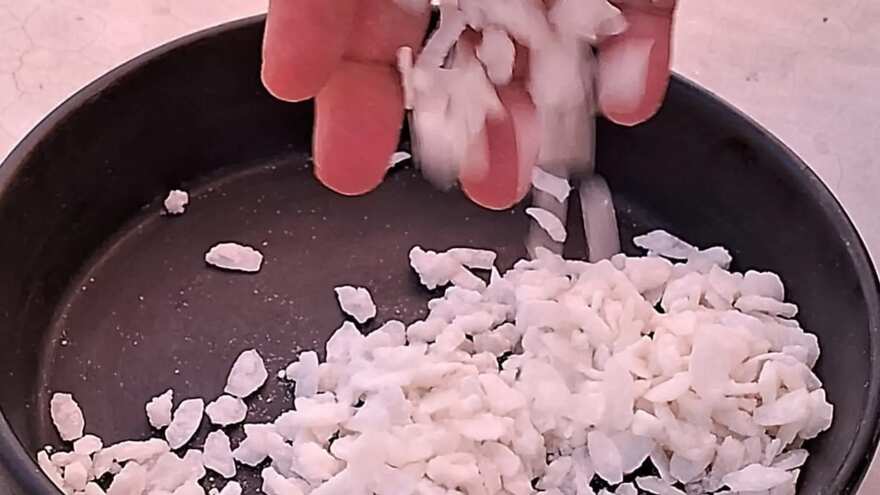
Image Credit: Rohitashwa Guha
Rohitashwa Guha, a culinary enthusiast who writes code as well, brings the tastes of his family’s past to the table with every dish he prepares. His food philosophy is grounded in the generational stories passed down from his family, especially the women who cherished these recipes. His tale of Narkoler Chira takes us back to a pre-Partition time.
His story takes us to the traditional Narkoler Chira, flattened rice-shaped coconut chips. It has been a popular sweet made after Goddess Durga's immersion on Bijaya Dashami.
He shared an adorable family story connected with his family.
“The story begins before India's 1947 partition. A Dhaka wedding brought Mashi Dida, my grandmother's older sister, and her husband Mesho Dadu together. Though it was love at first sight, it was difficult to communicate between Dhaka and Noakhali. Mesho Dadu wrote, "I will marry you as soon as I get a job."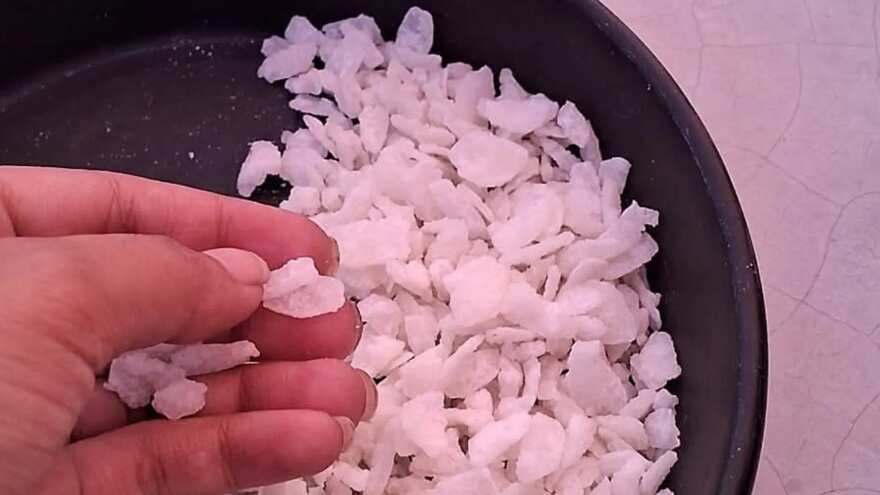
Image Credit: Rohitashwa Guha
He then mentioned, “Mashi Dida rejected many proposals and said she would marry Mesho Dadu. However, Mesho Dadu's father opposed the match. My grandmother's Noakhali landowners were not Kulin Kayasthya.
Finally, Mesho Dadu's family visited Noakhali. Mashi Dida's soulful voice and intricate hand embroidery moved Mesho Dadu's father. However, her Narkoler Chira, flattened rice-shaped coconut chips, impressed him.”
Narkoler Chira (Coconut Rice Chips)
This sweet, made from flattened rice-shaped coconut chips, was prepared during Bijaya Dashami, the last day of Durga Puja, marking the immersion of Goddess Durga. It’s a dish that embodies family, love, and nostalgia.
Ingredients:
- 1 coconut
- Sugar
- Water
Method:
- Scrape the coconut without removing the black part.
- Using a boti, cut the coconut into flattened rice-shaped pieces.
- In a kadai, add sugar and water. Melt the sugar on low flame.
- Add the coconut pieces and fry them until the sugar dries.
- Sieve out the excess sugar and store it in an airtight container.
Sayani Sengupta: A Culinary Journey Rooted in Family Traditions
Slurrp had the pleasure of meeting Sayani Sengupta, the Cooking Lab Lead for the Millet Revival Project by The Locavore. She curates diverse recipes using different millets and cooking techniques for this project. She is also a home chef and catering service provider based in Kolkata. Sayani runs her own food brand, Gooseberri, for which she often writes recipes on different platforms.
"My Dadu, paternal Granddad, was the best cook I have grown up looking up to. And his passions were hunting in the wild and cooking and grilling different kinds of meat in unbelievable techniques.”, she shared.
Here are some of her treasured recipes, along with the stories that bring them to life.
Kulothokolai Mangsho Bata
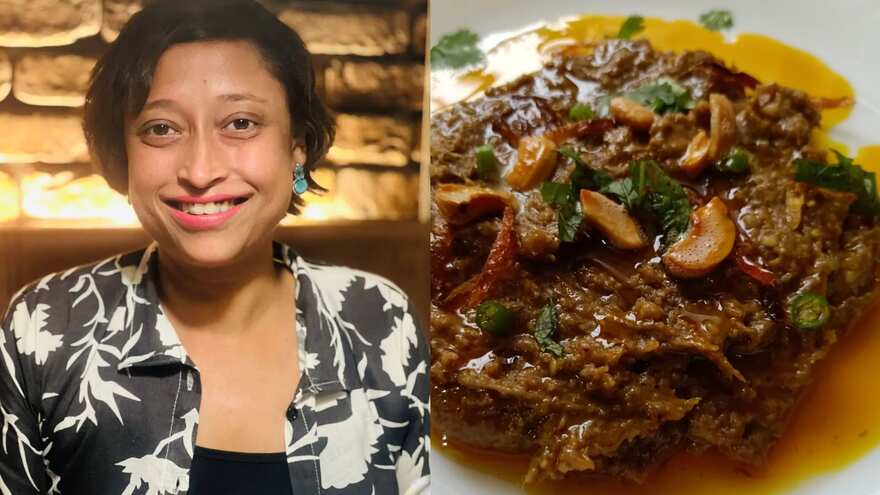
"This Kulothokolai Mangsho Bata was a staple during one of the Durga Pujo days, every year like clockwork, and used to be served with Chal er Ruti. Dadu used to wake up early in the morning, light up the unoon and start with his preparations for lunch." She grew up in a joint family with numerous friends and family visiting during Pujo. Her grandfather used to cook Kulothokolai Mangsho Bata for at least 40 to 50 heads. "Thamma, both my Jethimas and Maa were the kilos of Chal er Ruti makers," Sayani recalls.
This dish, rich with the flavours of mutton and lentils, is cooked slow to bring out its depth. Here's how Sayani recreates this beloved dish:
Ingredients:
- Kulothokolai Dal – 100 grams
- Boneless Mutton Chunks – 200 grams
- Ginger – 1 tablespoon
- Garlic – 1 tablespoon
- Broken Cashew – 10-12
- Mustard oil – 4 tablespoons
- Ghee – 2 tablespoons
- Coriander leaves – 2 teaspoons (chopped)
- Green chillies – 5 (adjust for spice)
- Beresta – 3 tablespoons
- Turmeric powder – ¼ teaspoon
- Salt – to taste
- Sugar – ½ teaspoon
- Gorom Masala Blend:
- Green cardamom – 4
- Clove – 4
- Cinnamon – 1 inch
- Black cardamom – ½
- Mace – 1 whole
- Shajeera – ½ teaspoon
- White peppercorn – ½ teaspoon
- Dried rose petals – 2 tablespoons
- Bay leaf – 1
- Dried red chillies – 3
Method:
- Wash and soak the Kulothokolai dal overnight. Rinse well after soaking.
- Boil the dal and mutton with a little salt, turmeric powder, ginger, garlic paste, beresta, and green chillies until tender. Dry out the boiling liquid over high flame, stirring to prevent burning.
- Dry roast the spices from the gorom masala blend separately, cool, and grind them to a smooth powder.
- Grind the cooked mutton and dal into a semi-coarse paste.
- Heat mustard oil, sauté the remaining ginger-garlic paste, then add the mutton-dal paste, beresta, garam masala, chopped green chillies, and sugar. Stir well for 10-12 minutes.
- Fry the broken cashews in ghee and pour them into the dish.
- Garnish with coriander leaves, and serve hot with ruti, porota, polao, or steamed rice.
Thammar Lebu Kheer er Mangsho Kosha
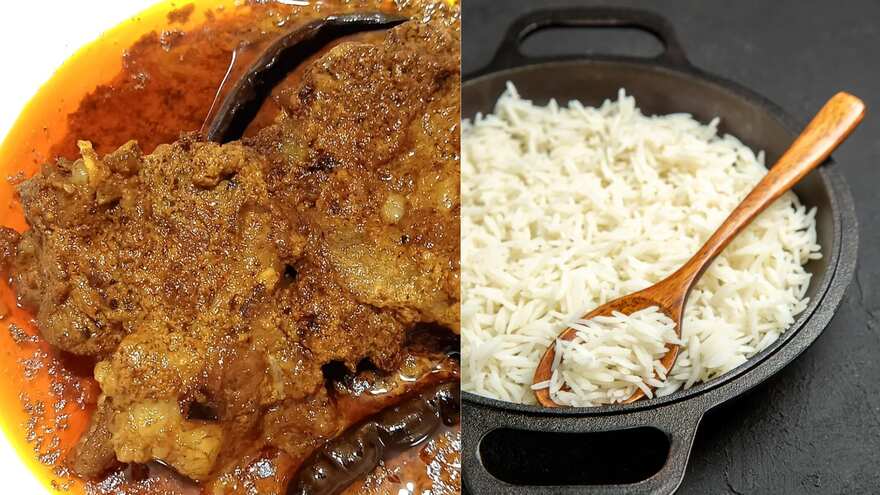
Image Credit: Sayani Sengupta
Sayani shared her adoring memory of her grandma’s recipe. As she mentioned, "Slow cooked meat with spices and full cream milk for hours over low heat on unoon. This recipe by my Thamma, paternal Grandmom, was stellar and it had to be over unoon no matter what. My Dadu had the duty to light up the unoon on the days Thamma would be cooking, while my Jethimas and Maa would do the mise en place under Thamma's strict guidance.”
She recalls, “Durga Pujo, those days were all about family gatherings, laughter and banter, parar Pujor Anjali, cap bonduk and aloo kabli, night movie screenings for the entire para. We, the kids, would relish our fill of Lebu Kheer er Mangsho and Polao dinner, doze off in Dadu Thamma's room while the seniors would go watch the Para Movie screenings. Life was simple and happy back then."
Ingredients:
- Rewaji Mutton – 1 kilo
- Full cream milk – 350 ml
- Fresh malai (cream) – ½ cup
- Dried red chilli paste – 2 tablespoons (adjust to spice tolerance)
- Ghee – 6 tablespoons
- Mustard oil – 6 tablespoons
- Beresta paste – ½ cup
- Coriander seed paste – 3 tablespoons
- Bengali gorom masala paste – 1 tablespoon
- Kagji Lebu (lemon) – 2
- Ginger-garlic paste – 4 tablespoons
- Salt – to taste
- Sugar – 1 teaspoon
Tempering:
- Green cardamoms – 6
- Black cardamom – 2
- Bay leaf – 3
- Mace – 3 whole blades (torn in half)
- Dried red chillies – 2
Method:
- Heat mustard oil and half of the ghee in a heavy-based pot. Temper the spices (green cardamom, black cardamom, bay leaf, mace, and dried red chillies), then caramelise the sugar.
- Add the mutton and fry for 6-7 minutes.
- Stir in ginger-garlic paste and cook for another 8-10 minutes.
- Add red chilli paste, coriander seed paste, salt, and lemon juice. Fry for 8-9 minutes.
- Grind fresh malai and combine with milk and beresta paste. Add to the mutton and simmer on low heat. Stir intermittently to prevent burning.
- Check for doneness, adjust salt, and add garam masala paste and lemon juice from the second lemon.
- Let it rest for 10 minutes. Stir in the remaining ghee, then serve with polao or steamed rice.
Bijoya Doshomir Panta, Kochur Shaak, Shaplar Bhyala
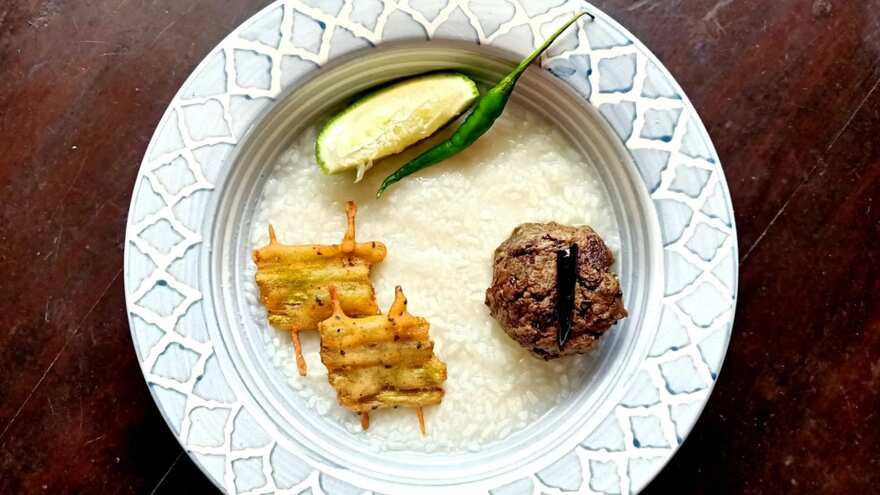
Image Credit: Sayani Sengupta
This recipe traces back the roots of our family ritual of eating Panta Bhaat with Niramish Kochur Shaak on Bijoya Dashami. One version suggests Maa Durga's love for Kochur Shaak, while another ties it to the exhaustion of the women in the family after days of cooking during Durga Puja.
As Sayani mentions, “During the last day of Bijoya Dashami, concentration was more on performing the Bishorjon and Bijoya rituals and cleaning of the house and kitchen, and making snacks for the guests who would visit post immersion of Maa Durga. Hence, lunch was always easy and leftovers from the previous night. Shaplar Bhyala aka shapla hooked to sticks and batter-fried fried looked like small fishing rafts and hence the name. It used to be an addition to our Dashami lunch since Dadu was an ardent fan of Shapla."
Panta:
- Cooked rice – 2 cups
- Drinking water – 3½ cups
- Salt – to taste
- Green chilli – to taste
- Gondhoraj lemon wedge
Niramish Kochur Shaak:
- Kochur Shaak – 4 stalks
- Fenugreek seeds – 1 teaspoon
- Dried red chillies – 4
- Ghee – 2 tablespoons
- Salt – to taste
- Sugar – 1 teaspoon (optional)
- Grated coconut – 2 tablespoons
Shaplar Bhyala:
- Shapla (water lily stems) – 4 sticks
- Rice flour – 1 cup
- Nigella seeds – ½ teaspoon
- Red chilli powder – ⅔ teaspoon
- Sugar – 1 teaspoon
- Salt – to taste
- Mustard oil (or refined oil) for frying
- Toothpicks
Method:
Panta: Soak rice overnight. Drain excess water, serve with a bit of soaking water on the side. Serve with Gondhoraj lemon, green chillies, salt, and the sides.
Kochur Shaak: Peel the outer skin, discard the base, cut into 2-inch pieces, wash, and pressure cook for 1 whistle. Drain and squeeze out the water. Heat ghee, temper fenugreek seeds and dried red chillies. Add the shaak, salt, and sugar, and fry for 8-9 minutes. Add grated coconut and fry for another 3-4 minutes. Serve.
Shaplar Bhyala: Cut the shapla into 2-inch pieces. Place four sticks horizontally and fasten with toothpicks to form a raft. Make a batter with rice flour, nigella seeds, red chilli powder, salt, and water. Dip the shapla rafts in the batter and fry on low-medium heat until crisp. Serve immediately with Panta Bhaat and Kochur Shaak.
Durga Puja food connects generations, remembers the past, and welcomes the goddess into our homes. Panta Bhaat, Kochur Shaak, Murighonto, and Boyal Machher Jhal have been passed down through generations with stories, memories, and a Bengali soul. Home chefs like Jayeeta Ghosh, Rohitashwa Guha, and Sayani Sengupta are bringing these forgotten recipes back to Bengal's festive tables, preserving the rich culinary heritage for future generations.