


 Share
Share

For a long time, protein has been unfairly linked with meat and eggs, leaving many vegetarians wondering whether their diet supplies enough of this important nutrient. The fact is, Indian kitchens have always been wealthy in plant-based protein, right from simple everyday dals and chickpeas to soy, millets, nuts, and seeds; protein has always been a part of everyday meals. The secret is not about chasing one "superfood", but having a variety of nutritious ingredients that work together to make your everyday plate more wholesome.
The ICMR–National Institute of Nutrition (NIN) also advises including a variety of pulses, whole grains, nuts, and seeds as part of an everyday balanced meal, as each food has different nutrients to give. Rather than overcomplicating your everyday meals, here's a closer look at everyday vegetarian protein sources that are nourishing, adaptable, and also easy to cook with.
Lentils And Pulses: The Backbone Of Indian Meals
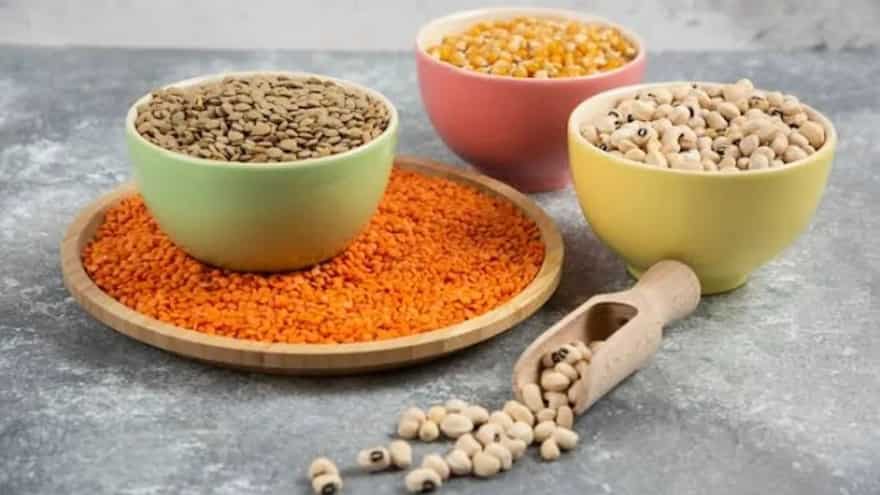
Whether it's the moong dal, masoor, toor, urad, rajma, chole or lobia, pulses are one of the most reliable sources of vegetarian protein that you can have on a daily basis. A single serving of these bowls adds an ample amount of protein while also delivering fibre, iron, folate, potassium, and magnesium. Their high fibre content makes the meals satisfying, while their adaptability makes them a fit for almost every Indian cuisine.
From delightful dal tadka and rajma chawal to the chole masala and rajma, these pantry staples deserve a regular place in your meals. Since they're inexpensive and readily available, pulses are possibly the most effortless way to boost everyday protein intake without altering your everyday eating habits.
(Image credit: Freepik)
Soy Foods: A Protein Powerhouse Worth Exploring
Soy has become quite popular among vegetarians, and for good reason. Foods such as tofu, soy chunks, soy granules, edamame, and unsweetened soy milk contain high-quality protein naturally, along with some iron, calcium (when fortified), and many other essential minerals good for the body. Unlike the heavily processed comfort foods, minimally processed soy products are extremely adaptable in the kitchen.
Tofu smoothly soaks up the marinades and spices; soy chunks work beautifully in curries as well as for pulao, while edamame can be used as a snack. Whether you are thinking of replacing paneer sometimes or simply want to add variety to your food, soy is a simple way to boost protein without having to sacrifice flavour.
Nuts And Seeds: Tiny Ingredients With Big Nutritional Value
Adding a handful of almonds or a sprinkle of pumpkin seeds to your breakfast isn't some trend; rather, it makes everyday intake of nutrition easier. Nuts and seeds, like peanuts, almonds, walnuts, pistachios, chia seeds, flaxseeds, sesame seeds, sunflower seeds, and pumpkin seeds, all offer much more than just the healthy fats.
They add protein, fibre, vitamin E, magnesium, zinc, and antioxidants. Rather than using them as occasional garnishes, try using them more often in everyday cooking. Simply blend peanuts to make chutneys, sprinkle some roasted seeds over the salads, stir them into oats, or into the bowl of homemade granola.
Millets And Whole Grains: More Than Just Healthy Carbohydrates
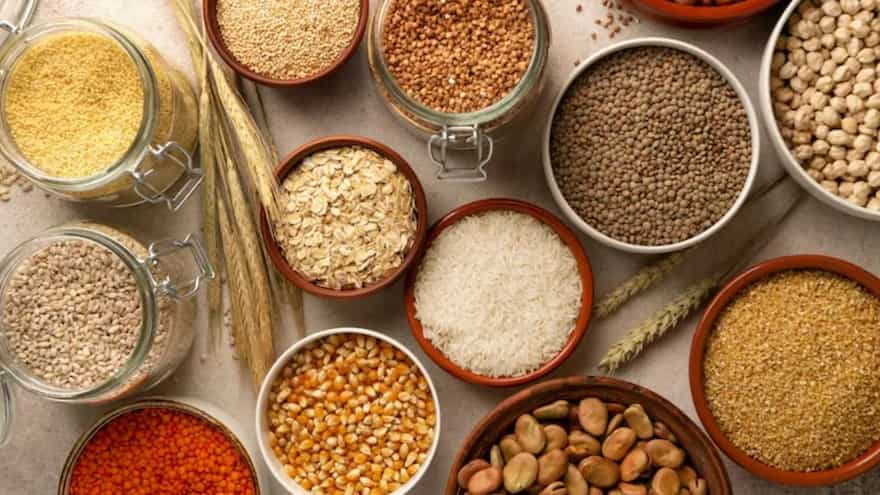
Millets have become a part of the current trendy lifestyle, but they're far more than a nutritious alternative to refined grains. Jowar, bajra, ragi, foxtail millet, quinoa, barley, oats, and brown rice all add protein along with dietary fibre, vitamin B, magnesium, and complex carbohydrates.
Their versatility is another big benefit. You can make khichdi of millet, pulao from quinoa, replacing the regular rice, use oats as overnight oats, ragi dosa, bajra rotis, or jowar upma without changing the entire recipe. Adding different grains to the weekly menu adds a more sumptuous nutritional diversity, along with variety.
(Image credit: Freepik)
Dairy Foods: Naturally Rich In Protein
Paneer, curd, milk, and Greek yoghurt are some of the most suitable protein-rich choices for those who consume dairy on a regular basis. Along with protein, they also add calcium, vitamin B12, phosphorus and other nutrients that are extremely essential in vegetarian diets.
Fresh paneer works well to make curries of it, add it to salads, wraps, or stir-fries, whereas thick curd can be changed into smoothies, raita, or even added to breakfast bowls. Greek yoghurt, in particular, has more protein than regular dahi or curd, making it a perfect option to have for breakfast or an evening snack.
How To Get More Protein From Everyday Vegetarian Meals
Rather than depending on just one ingredient, think of your meals as a mix of various wholesome ingredients. Different plant foods complement each other naturally, which is why Indian meals have been more nutritionally balanced for ages, even before any wellness trend became viral and also without involving too much effort. Here are some simple ways to add more protein to everyday meals
- Pair every day dal with steamed rice or millet khichdi
- Have rajma with brown rice in place of regular white rice
- Have chole with whole wheat bhatura or phulka in place of regular maida one.
- Pair the bajra roti with curd
- Make tofu stir-fry and add quinoa to it for a wholesome lunch or dinner
- Top Greek yoghurt with nuts and seeds




