


 Share
Share

Growing up, most Bengalis hardly thought about bori. To everyone, it was just the tiny sun-dried stuff your grandmother would throw into the lau or mocha curry, where they would puff up, change colour, and dissolve in the gravy. Nobody knew how much history, care, and silent ritual lived among those tiny dots. But slowly, many have come to realise how much of Bengal's personality is embedded in one small bite.
Bori is hardly a show-stopping dish. It does not attempt to proclaim itself. It's not like desserts, fish, or biryanis. It is shy. It's a type of backstage component, you might say. Bori is unassuming and unglamorous, but he has an unusually strong personality. And when you learn more about it, you understand you've been passing up a modest treasure your entire life.
People say bori has been around for centuries, long before fridges, long before gas ovens, long before neat little packets from supermarkets. It came from a time when winter sun in Bengal was a gift, and women used that gift to save food for later. Dal would spoil quickly in the humid months, so somebody, somewhere, figured out that if you whipped it into a thick airy paste and dropped it on a mat to dry, it would become a little nugget that could survive months.
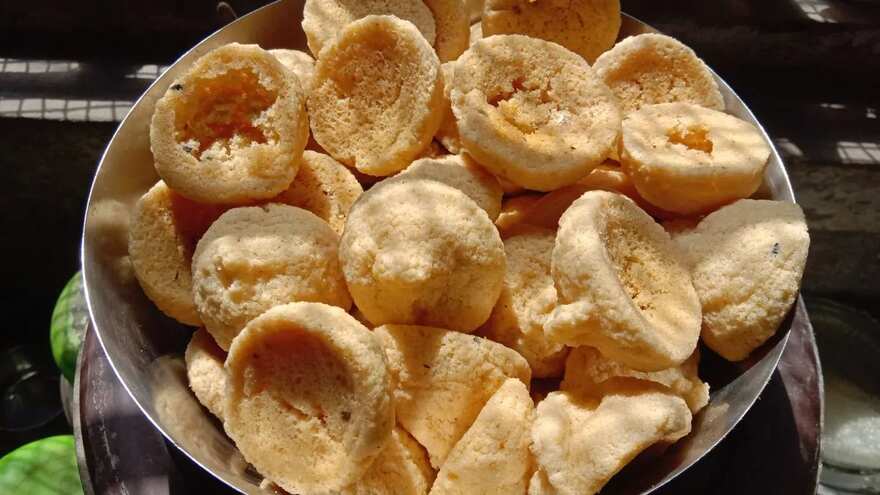
Image Credit: Wikimedia Commons
There’s something beautiful about that idea where you are taking something every day and making it last with nothing but patience. This is where ‘bori biye’ makes its appearance. Yes, when translated to Bengali, it does mean ‘wedding of the bori.’ Many regions in Bengal and some families also conduct this ceremony during weddings. If you attend a Bengali wedding held in the months of winter and during lunch, you are served goyna bori with some steamed rice and ghee. It stands as a symbol of folk art and creativity, which the women of the home still excel in. You may say it was a channel to express their artistic prowess during a period when women and their work were not given the recognition they deserved. From anecdotes heard from relatives and family in Bengal and across the border (Bangladesh), here is a brief history and interesting facts about this culinary ingredient that has its own wedding celebrations.
The History Behind Bori Biye
Bori-making, according to older people, was formerly a family affair, particularly during the months of Poush and Magh, when the sunlight was bright and clean. This was the season for preparation. It suggested that the family was prepared, organised, and planning forward. Bori became a symbol of such readiness. If you watch the entire thing from beginning to end, it feels almost ritualistic. First, the dal soaks overnight. There's nothing extraordinary here; just a bowl of water doing its job. But by morning, the dal looks fat and velvety, as if it had rested in preparation for something.
Then comes the grinding. Traditionally, it was done on a sil-nora, which was a flat stone and roller found in every Bengali kitchen. The grinding is gradual, round, and constant. It resembles both work and meditation. The paste must be completely smooth, with no grains. When you touch it, it should be velvety.
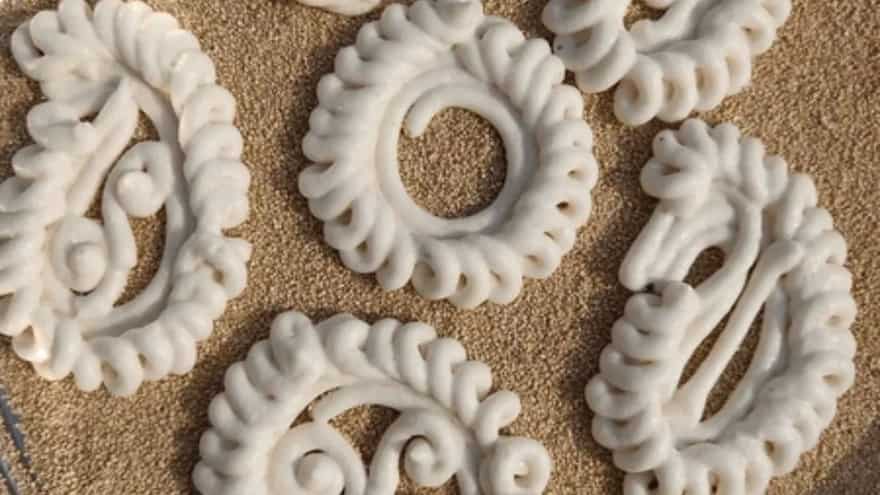
Image Credit: Wikimedia Commons
After that, the magical part begins. This is where the paste transforms into something alive. Women sit together, dipping their fingers in the bowl and beating air into the dal. The more you whip, the lighter it becomes. The batter rises, softens and nearly breathes. Every winter morning, hundreds of courtyards across Bengal would hear this sound– ‘thap thap thap’—hands hitting metal bowls, laughter rising, and sunshine streaming in. This stage appears simple, yet it determines everything. The aeration of the batter is critical to a successful bori. Too heavy? It dries rough. Is it too loose? It will not keep its shape. Getting things correctly is a talent that falls between art and habit. And right after this is the main ritual that has earned its place as what is called ‘bori biye.’
How The Bori Biye Takes Place
It happens in the form of ‘bori chhapano’, which is the portion that feels playful. The new batter is scooped with fingertips and placed on a linen or bamboo mat. Small dots spaced equally. Some women create spirals. Some make rings. In Midnapore, they manufacture goyna bori, which are beautiful patterns that resemble jewellery from tiny flowers, shells, to sunbursties. They are not for regular cooking; they are for weddings, pujas, and other important occasions.
During this period, there are a few small rules. The mat should be clean and face the sun. There should be no shadows on the fresh batter. Not even yours. According to the elders, it affects drying. It makes little difference if the rule is based on science or superstition; it gives a quiet seriousness to the activity. Seeing those rows of tiny white drops lined up against the wintry sky feels wonderfully tranquil. They resemble small pledges set out for the sun to bless.
You wait after the boris have been laid out. Sunlight cooks them slowly. The breeze helps. By dusk, they have firmed up slightly. By the following day, they appear solid. Someone gently flips them, as if turning over sleeping toddlers to prevent stiffness.

Image Credit: Freepik
On the second or third day, they are dry enough to store. When dropped into a tin jar, they produce a quiet clicking sound. A good batch can last several months. They become the quiet hero of the kitchen, ready to jump into a pot of veggies or dal when the dish requires lift, texture, or a little crunch.
Why Bori Biye Matters More Than You Think
The more you think about bori, the deeper it becomes. It is not simply food. It is a memory storage device. Generations of Bengali women, particularly those who received little credit, poured care, technique, and love into it. It demonstrates how even the most modest objects can hold entire cultures inside them. Bori lives in a world full of shortcuts by refusing to be rushed. It subtly teaches you that slow hands, warm sunlight, and people sitting together, sharing time, may all lead to wonderful results. You aren't just eating dal when you fry it until it blooms or let it soften in a curry. You're eating hours of winter mornings, memories shared, and ancient sunlight encased in a crisp bite.




