Share


High in the windswept passes of Ladakh, long before the first bugle pierces the freezing dawn, a rhythmic sound echoes from a reinforced shelter. It is the brisk, practised slapping of dough between weathered palms, followed by the hiss of clarified butter hitting a heavy iron griddle. In the Indian Army, few institutions command as much reverence as the Sikh Regiment, and at the beating heart of every battalion lies its kitchen. Far more than a mere mess hall or a logistical supply unit, the regimental langar is a living embodiment of Sikh philosophy, martial discipline, and unbreakable camaraderie.
To understand the food traditions of the Sikh Regiment, one must first look beyond the plate. Founded by Guru Nanak Dev Ji and institutionalised by Guru Angad Dev Ji, the concept of langar was designed to dismantle social hierarchies through the simple, radical act of eating together. Within the regiment, this sacred egalitarianism translates into absolute operational unity. When a battalion sits cross-legged in neat rows on the floor, known as the pankat, rank dissolves entirely. A decorated commanding officer shares the exact same simple meal of lentils, flatbread, and seasonal vegetables alongside the youngest sepoy fresh from training at the Regimental Centre in Ramgarh Cantonment, Jharkhand. Guided by the regimental motto, Nishchay Kar Apni Jeet Karon, meaning with determination I will be triumphant, this daily ritual reinforces a foundational truth of soldiering: on the battlefield, survival depends on mutual trust, and trust is forged over shared bread.
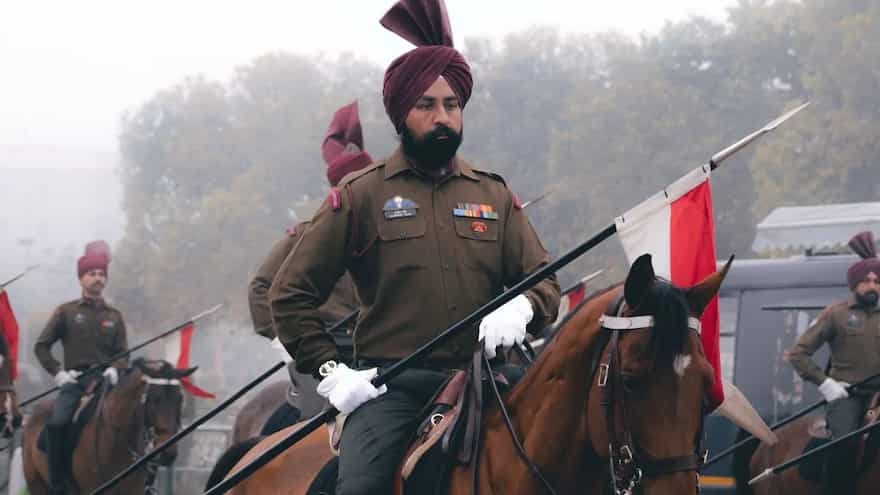 Image credit: Pexels (Image for representational purpose only)
Historical Roots From The Khalsa Army To Modern Battalions
The marriage of spiritual culinary service and military mobility is not a modern invention. Its blueprint dates back to the eighteenth century, during the era of the Sikh Misls and the formidable Khalsa Army of Maharaja Ranjit Singh. Operating as swift cavalry units constantly on the move across the rugged plains and foothills of Punjab, Sikh warriors perfected the art of the mobile kitchen. Provisions were carried on horseback, and whenever the troops halted, campfires were lit immediately to prepare communal meals for soldiers and local villagers alike.
When the British raised the Regiment of Ferozepore Sikhs and the Regiment of Ludhiana Sikhs on the first of August 1846, building directly upon the martial culture of the Khalsa and Punjab to form the nucleus of the modern Sikh Regiment, they quickly recognised the morale-boosting power of these culinary customs. Even during brutal overseas campaigns in the trenches of Flanders during the First World War, or amid the dense jungles of Burma in the Second World War, Sikh soldiers maintained their regimental kitchens against impossible odds. Historical regimental diaries record instances of langris, the dedicated military cooks, crawling through active artillery fire to deliver hot chapatis and sweet semolina pudding to forward bunkers. For a soldier far from home, a warm meal prepared according to tradition was a vital lifeline to identity and sanity.
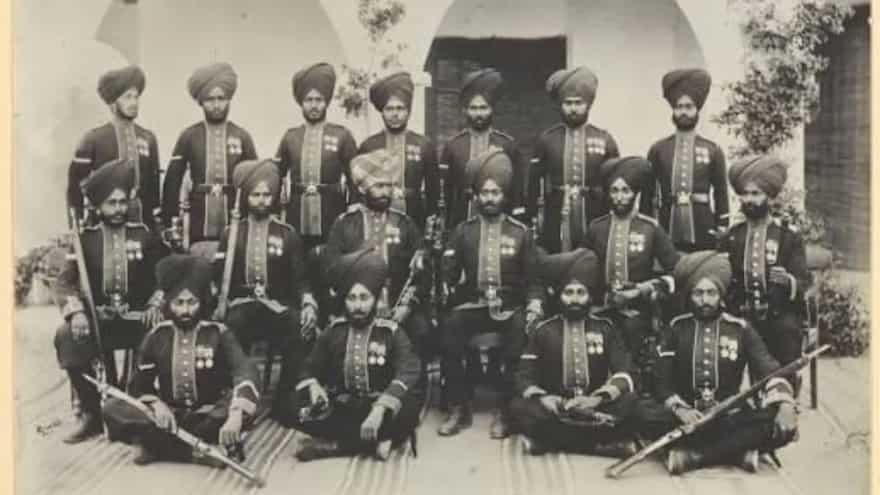 Image credit: Wikimedia Commons (Image for representational purpose only)
Anatomy Of A Regimental Menu And High-Altitude Nutrition
While emotion and heritage anchor the langar, the actual menu is a masterclass in practical military nutrition. A Sikh infantryman operates in some of the most punishing environments on earth, from the scorching deserts of Rajasthan to the oxygen-starved heights of the Siachen Glacier. The regimental kitchen adapts seamlessly to these extremes while honouring classic Punjabi culinary sensibilities.
A typical day begins early with steaming tumblers of spiced tea, rich with ginger, cardamom, and full-cream milk, paired with heavy, ghee-laden parathas stuffed with spiced potatoes or cauliflower. Lunch and dinner centre around nutrient-dense staples: slow-simmered black gram lentils known as maa ki dal, yellow split peas tempered with cumin and garlic, protein-rich chickpeas, and robust seasonal curries. Whole wheat rotis remain the undisputed backbone of every meal, churned out by the thousand with astonishing speed and consistency.
At high altitudes, where cold temperatures burn through calories at an alarming rate and suppress natural appetite, the kitchen modifies its approach. Fats and complex carbohydrates are increased, and generous portions of jaggery, roasted gram, and dry fruits are integrated into the daily diet. Special dietary rules and individual religious observances also govern the regimental dining spaces. While initiated Amritdhari Sikhs adhere strictly to a vegetarian diet, non-vegetarian fare served in the officers’ mess or on celebratory occasions is exclusively jhatka, prepared via a single swift stroke, and beef is never brought onto regimental premises. Inside the main langar hall itself, the food remains strictly vegetarian, ensuring that every visitor, regardless of faith or personal observance, can partake without hesitation.
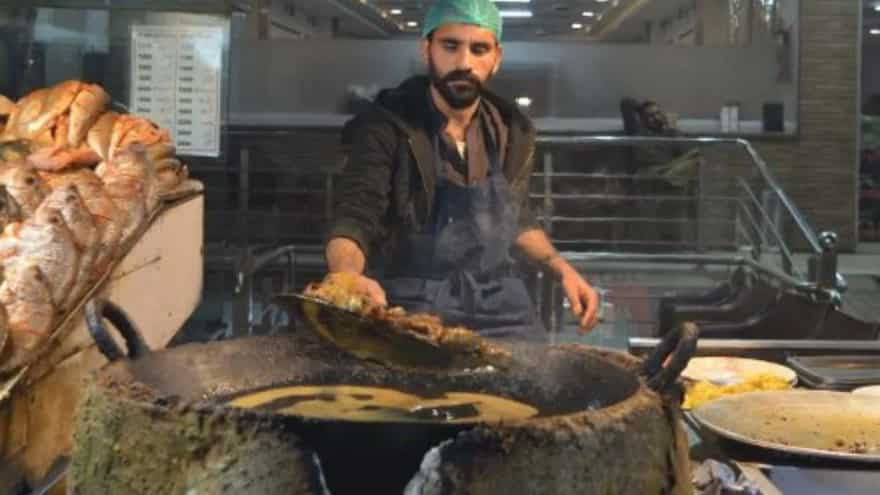 Image credit: Pexels (Image for representational purpose only)
Sacred Offerings, Mess Etiquette And Celebratory Feasts
No exploration of Sikh military food culture is complete without understanding the significance of Karah Prasad. Prepared from equal parts whole wheat flour, clarified butter, and raw sugar dissolved in water, this rich, warm pudding is far more than a dessert. Cooked continuously while reciting sacred hymns, Karah Prasad is sanctified at the regimental gurdwara before being distributed to the entire unit. Before departing on a perilous mission, after completing an arduous mountain march, or during the observance of Gurpurab, soldiers cup their hands respectfully to receive a warm portion. It serves as a spiritual blessing, grounding the troops in humility and courage before they face the unknown.
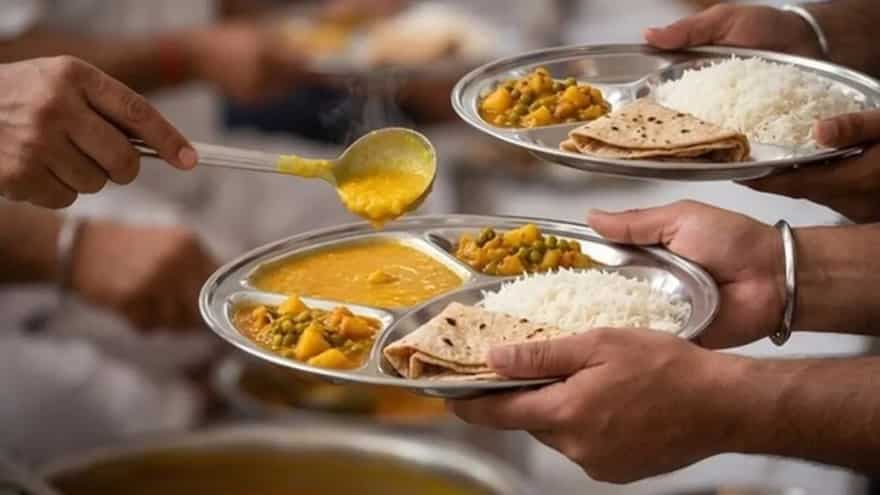
Image credit: Adobe Stock (Image for representational purpose only
On major festival days such as Vaisakhi, Hola Mohalla, or the regiment’s Battle Honour days, like the legendary Saragarhi Day on the twelfth of September, dining expands into a grand celebratory feast. Known as a bara khana, these formal regimental meals bring together serving personnel, veterans, and families, blending structured military etiquette with regional traditions. While officers’ messes and formal evenings at peacetime stations have historically featured classic army drinks like gin-and-lime or rum alongside rich Indian dishes, alcohol consumption is neither universal nor permitted in forward high-altitude operational zones such as Siachen beyond base camp. During a bara khana, tables or floor mats groan under the weight of aromatic pulao, rich paneer gravies, crisp pakoras, and syrupy jalebis. The commanding officer personally serves the troops first, reinforcing the timeless Sikh principle that true leadership is measured through humble service. When formal salutations or toasts are offered at these gatherings, casual cheers are replaced by a thunderous, unified roar of the regimental battle cry: Jo Bole So Nihal, Sat Sri Akal!
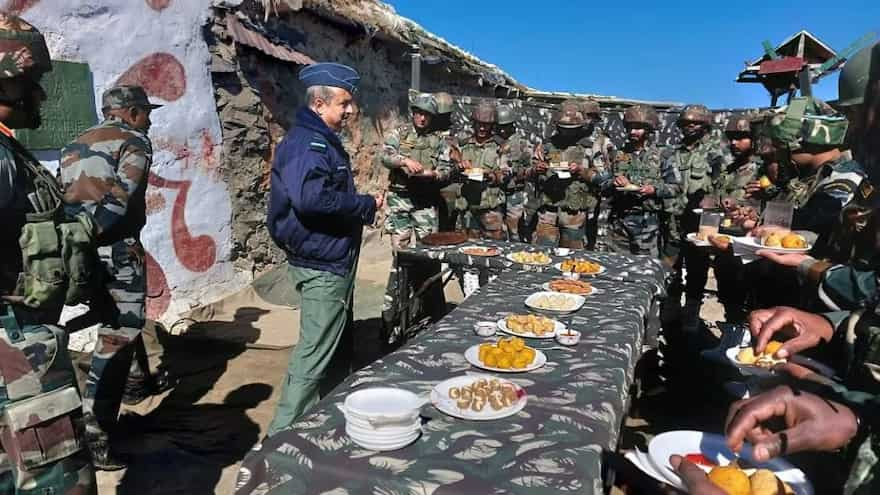 Image credit: SSBCrack (Image for representational purpose only)
The Unsung Langris And Logistics Of Service
Behind every seamless meal lies the gruelling, unheralded labour of the regimental cooks and kitchen staff. Often working in sub-zero conditions where water freezes in buckets and high-altitude pressure alters boiling points, these men operate with clockwork precision. Modern Indian Army kitchens now employ pressure-cooking systems, solar thermal equipment, and mechanised dough kneaders at permanent bases, yet out on remote pickets, traditional wood-fired stoves and kerosene burners still hold sway.
Every soldier in the Sikh Regiment, regardless of his formal trade, learns the basics of langar duty. Peeling sacks of onions, rolling dough, scrubbing massive brass cauldrons, and serving water down the pankat are viewed not as menial chores, but as acts of seva, or selfless service. This shared responsibility guarantees that even in the heat of conflict, the hearth never grows cold.
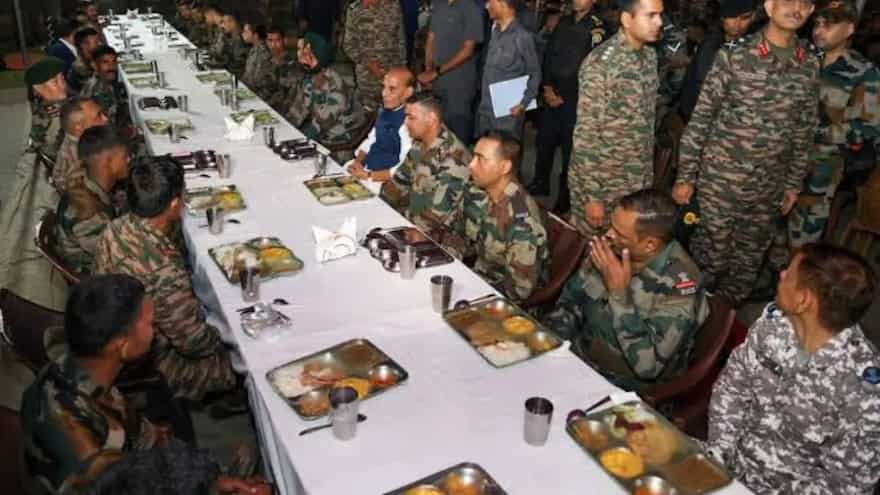
Image credit: SSBCrack (Image for representational purpose only
Why The Regimental Langar Endures Today
In an era of freeze-dried combat rations, vacuum-sealed pouches, and automated supply chains, the persistence of the freshly cooked regimental langar might seem like a romantic anachronism. In reality, it is one of the Indian Army’s greatest psychological assets. Technology can arm a soldier, and tactical training can sharpen his instincts, but only shared humanity can sustain his spirit over months of isolation on a frozen frontier.
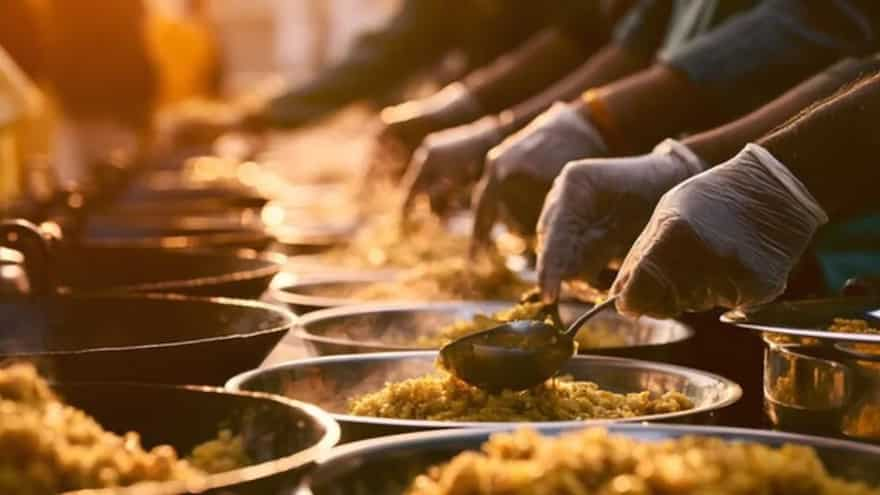 Image credit: Adobe Stock (Image for representational purpose only
When the evening wind howls across the border posts and the temperature plummets far below freezing, the glow of the langar lamp remains a beacon of warmth, dignity, and belonging. Through every generation of warriors who don the regimental crest, the simple meal served on a steel plate continues to bind strangers into brothers, proving that an army truly marches not just on its stomach, but on its soul.