


 Share
Share

Luxury food is lowering its volume. Instead of announcing itself vibrantly through towering desserts, extravagant tasting menus, and ingredients chosen primarily for their eye-watering price tags, the new luxury has opted for small, deliberate upgrades. For example, a better cooking oil, an artisanal vinegar, an excellent cheese, fermented chilli, a heritage grain, or a beautifully regional condiment. The idea is simple: opt for something familiar or gourmet that is top-shelf when it comes to quality.
This is not merely a social media aesthetic, but a real-life food trend in society. The National Restaurant Association's (NRA) 2026 culinary forecast, based on the views of nearly 300 professional chefs and restaurant operators, identified comfort, local sourcing, value, and global comfort foods among the major forces that were subtly shaping menus. Its examples included elevated instant noodles, essentially a familiar weeknight staple that got promoted to chef-crafted territory.
So, consumers are preferring to upgrade their known familiar foods with premium ingredients, indulgent variants, and luxury pantry products to create their preferred restaurant-inspired preparations at home. The Whole Foods Market's 2026 forecast arrives at a similar destination from a retail perspective. Its Trends Council predicted greater interest in premium pantry products, restaurant-inspired convenience foods, traditional fats, and visually appealing kitchen staples.
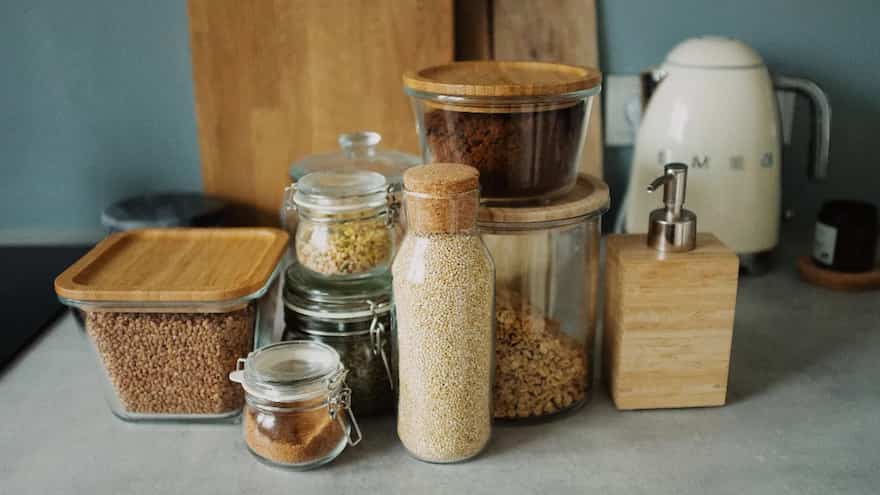
Image credit: Pexels
Its ‘Kitchen Couture’ prediction specifically describes daily pantry products, such as oil, salt, and sugar, becoming part of the aesthetic of the entire kitchen rather than something consumers automatically hide away. Put the two forecasts together, and the quiet luxury food movement becomes easier to understand. The gourmet Indian kitchen of the future will focus on making ordinary food feel more deliberate and indulgent.
That is where the idea of quiet luxury becomes interesting in an Indian kitchen. Because India has never needed a separate vocabulary for making ordinary food feel special. For example, a bowl of dal can be finished with fragrant, locally-sourced ghee and a precisely spiced tadka, or a particular kind of rice is chosen for its aroma and texture instead of being simply treated as a generic carbohydrate. In simple terms, luxury is now less about a pricey tag and more about quality and the finesse in the details.
The Pantry Is Becoming The Quiet Luxury Counter
The first change is happening in the pantry. Instead of buying specialist ingredients that can be used once for an ambitious recipe, contemporary consumers are opting for a handful of premium ingredients that can improve several ordinary meals. For example, infused oils, artisanal sauces, and imported nuts are not unknown ingredients. But they can improve your overall meal quality. The dish has not changed; the pantry has. But what if you borrow a little from your own Indian heritage without losing sight of the trend?
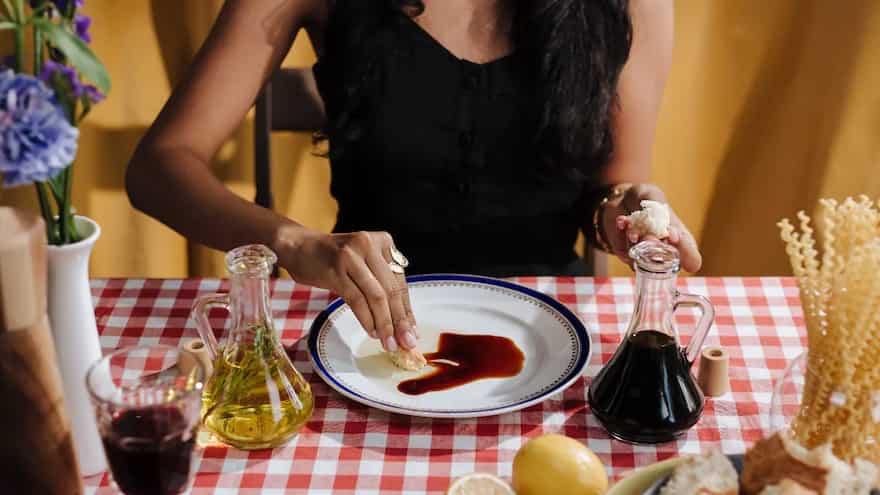
Image credit: Pexels
Almost every Indian remembers waking up on Sundays, sniffing the air as delicious aromas of a fragrant yet zesty tadka (tempering) of ghee, cumin, dried red chilli, and garlic, or maybe a very nutty halwa being made by their loving mother. And if there is one thing desi mothers and grandmothers never compromised on, it is the quality of food for their loved ones. Her cooking had long understood and utilised the value of top-notch ingredients, technique, seasonality, and finishing touches. So, quiet luxury is not really new in India. Its contemporary application is simply being viewed through the designer-brand lens of premiumisation.
The NRA’s 2026 forecast also places comfort and nostalgia alongside global flavours, local sourcing and value. It specifically points to familiar dishes being reworked with more ambitious flavours and techniques for further culinary exploration. And just like the Indian tempering masterstroke, the Michelin Guide's 2026 food trend report notes that chefs are increasingly working with fermentation, ageing, concentrated stocks, acidity, and other techniques that build complexity rather than simply adding richness to already-indulgent dishes.
Ghee Fits The New Traditional-Fat Conversation
Traditional fats are also being reconsidered globally. But India does not need to rediscover ghee as it has held a central position in Indian cooking, sweets, festive food, and religious traditions for a really long time. The more interesting contemporary question is how it is being sourced, prepared, and used.
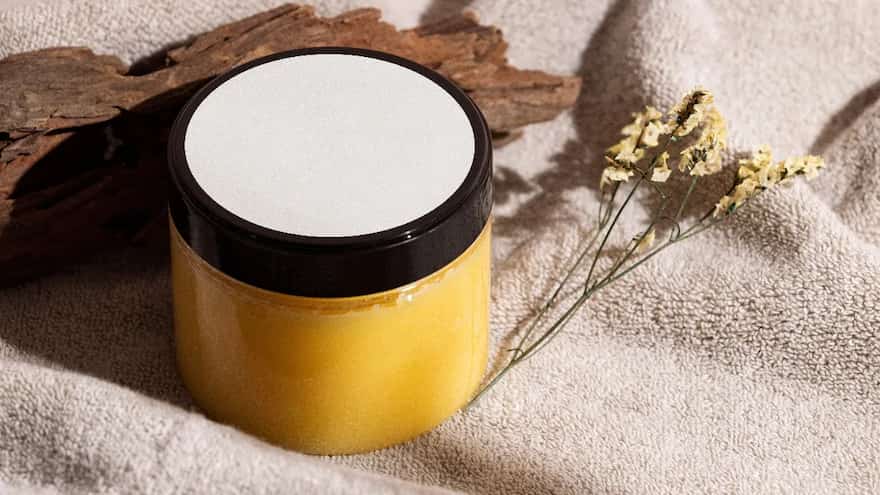
Image credit: Pexels
For example, a small spoonful brushed over hot khichdi, drizzled over dal, or folded into a finishing preparation can function as a flavour accent rather than simply dousing every dish in it or using it as a basic cooking medium. The former is much closer to the current language of understated luxury. Use a quality ingredient by understanding and employing its merits, instead of using more of it to give a bland dish flavour.
Fermentation Is Not New To India: The World Is Catching Up
If there is one area where the global premium food conversation feels extremely familiar to Indian cooks, it is acidity and fermentation. Whole Foods Market has identified ‘Very Vinegar’ as one of its 2026 food trends, pointing to premium small-batch vinegars, infused varieties, and new formats being used to add depth and complexity to gourmet home cooking as well as restaurant dishes.
India already has an enormous repertoire of acidic and fermented foods that perform this job flawlessly: mango pickle, lime pickle, curd, chilli pickles, kanji and a plethora of other regional souring agents. But before picking your favourite pickle or fermented food, it is important to understand the culinary logic behind the use of premium vinegar. It is because acidity, concentration, complexity, and a small amount can transform a dish.
Now, is that not a concept already deeply familiar in Indian cooking? Even a spoonful of sharp, organic mango pickle beside a bowl of dal and rice can do more for the simple meal than any other expensive ingredient ever could in this meal context. For example, a PubMed review documents the diversity of traditional Indian fermented foods and identifies foods like dahi, gundruk, sinki, iromba, fermented rai, kanjika, and handua among the country's fermented-food traditions, while examining their importance as sources of lactic acid bacteria.
Image credit: Pexels
So when contemporary restaurants turn to fermentation, India's story is not one of discovering a fashionable new technique. It is one of a longstanding culinary practice being viewed through a brand-new telescope of contemporary quiet luxury. The Michelin Guide's 2026 trend report identifies preserved and fermented flavours, their ageing and techniques, as the ones that allow flavour to develop over time, among the subtle directions it is seeing in contemporary luxury dining.
The Luxury Ingredient May Be Regional, Not Imported
Quiet luxury also changes the question of what counts as a premium ingredient. For years, the shorthand for expensive food included imported cheese, truffles, caviar, speciality chocolate, and other globally recognised luxury ingredients. But the newer version may place greater value on provenance and rarity within regional food systems. The Food and Agriculture Organisation of the United Nations’ (FAO) 2026 report on wild and neglected foods argues that diets around the world are becoming increasingly similar and prominently highlights the potential of overlooked species to support biodiversity, nutrition and more resilient food systems.
It also notes that more than half of global daily calories come from just four crops: rice, maize, wheat, and potatoes, while thousands of wild species of flora are used as food around the world. For India, that makes the premium potential of regional food highly interesting because our regional pantry is potentially endless; be it an heirloom rice, a little-known millet, a traditional pulse, an edible forest ingredient, a regional chilli, or a locally produced oil, each carries a unique desi origin story that an imported ingredient simply cannot reproduce. And that is a much more interesting definition of gourmet for India: not just making food more expensive, but making its origin more visible and accessible.




