


 Share
Share

The recent theatrical release of the highly anticipated new Odyssey film has brought the legendary Greek king of Ithaca back into the global spotlight. Watching the battered hero navigate perilous waters and outsmart mythical beasts on the big screen naturally begs a fascinating question. What did a warrior actually eat to sustain himself during a gruelling ten year journey home from the Trojan War? Composed by the poet Homer around the eighth century BCE, the Odyssey is widely considered the foundational text of Western literature. It picks up immediately after the decade long siege of Troy, following Odysseus as he faces the wrath of sea gods, the allure of sirens, and years of captivity. Yet beneath this grand mythological veneer lies a very real and historically grounded portrait of Bronze Age Mediterranean life. The men on those wooden ships were at the total mercy of their rations. By combining the textual clues left by Homer with extensive modern archaeological discoveries, we can accurately reconstruct the daily meals of these ancient warriors.
The Foundation Of The Mediterranean Heroic Diet
The world of Odysseus was shaped by the rugged terrain of the Greek islands. The foods he relied on were built for survival, longevity, and sustained energy. Barley bread was the absolute cornerstone of the ancient Greek diet. Unlike the highly refined wheat we consume today, this was typically a dense and coarse barley cake known as maza. Barley was deeply revered and frequently offered to the gods in religious rituals. It provided the essential fibre and slow release energy required for rowing heavy wooden ships and fighting prolonged battles on foreign shores.

Image credit: Pexels
Modern excavations at Mycenaean palace sites have uncovered extensive granaries and clay tablets that meticulously record massive grain distributions. This archaeological evidence proves just how vital this crop was to the Bronze Age economy. The crew would have stored their barley flour in large ceramic jars, baking coarse flatbreads whenever they made landfall and could build a fire.

Image credit: Pexels
Olives And Fruits Of The Earth
In the harsh Mediterranean climate, olives were omnipresent and completely essential. They offered a crucial source of fat and calories. Whether eaten whole, cured in sea salt, or pressed into liquid gold olive oil, they were a daily necessity for sustenance and bodily protection against the elements. Olive oil was not just eaten but also rubbed into the skin to protect sailors from the harsh salt spray and the glaring sun.
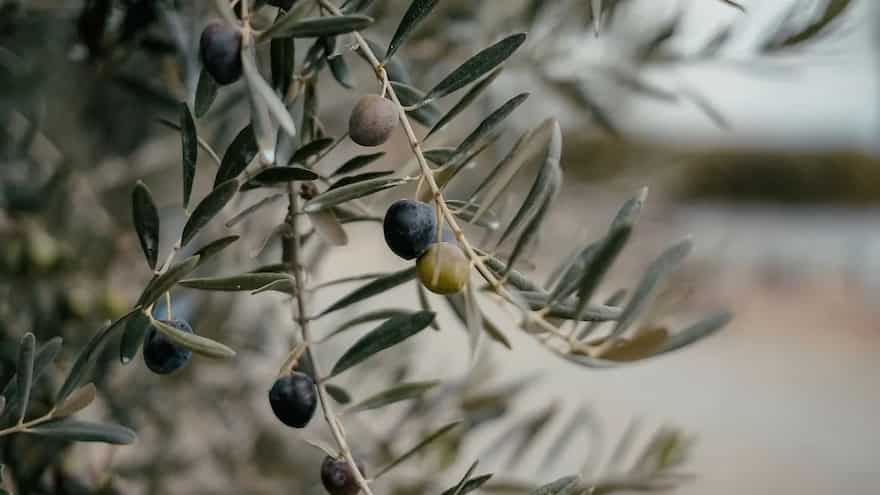
Image credit: Pexels
For sweetness and quick energy, Odysseus and his crew relied heavily on figs. Archaeological digs across the Aegean constantly unearth dried fig remains in ancient storage jars, proving their status as a vital and easily transportable food source for sailors travelling long distances. They were calorie dense, completely resistant to spoiling, and perfect for snacking while manning the oars.
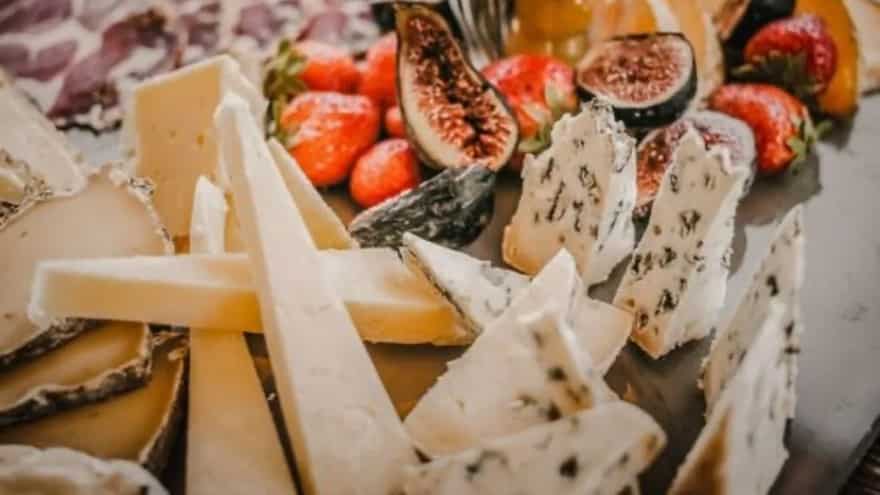
Image credit: Pexels
Proteins And Dairy On The High Seas
When we examine the proteins consumed by these ancient seafarers, we must distinguish between everyday survival rations and celebratory feasts. Goat cheese and sheep milk cheese were daily staples for soldiers and sailors alike. These dairy products were hardy, preserved exceptionally well on long sea voyages, and provided excellent protein. Homer famously describes the cave of the cyclops Polyphemus as being lined with massive racks of aging cheese, showcasing dairy as a foundational element of the ancient pastoral economy. Pulses like lentils, broad beans, and chickpeas formed the quiet backbone of the common diet alongside this cheese. These legumes were easily stored in sacks and often boiled into thick hearty stews that sustained the crew when fresh food was scarce.
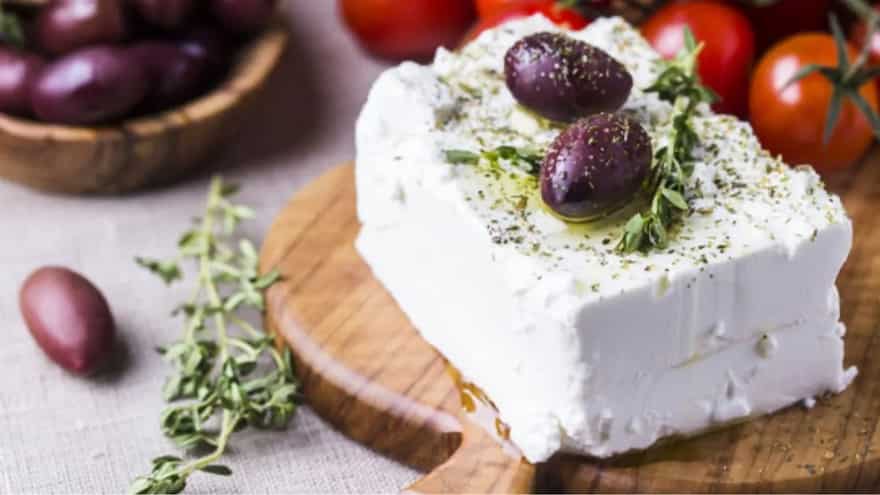
Image credit: Adobe Stock
The Sacred Protocol Of Meat
However, the aristocratic heroes of Homeric legend craved roasted meat above all else. Lamb, mutton, beef, and goat were the quintessential feast foods. These meats were typically roasted on large wooden spits over open fires, usually following a ritual sacrifice to the Olympian gods. The smell of roasting fat was believed to please the heavens as much as it nourished the warriors on earth. Meat also played a central role in the ancient Greek concept of hospitality. When Odysseus washes ashore in foreign lands, friendly kings offer him rich banquets of roasted pork and beef before even asking his name. Conversely, when Odysseus finally returns to his palace in Ithaca, he finds a horde of arrogant suitors who have spent years slaughtering his prized cattle, sheep, and fat pigs. This gluttonous consumption of another mans livestock was considered the ultimate disrespect in ancient Greek culture, highlighting how highly prized domestic meat truly was.
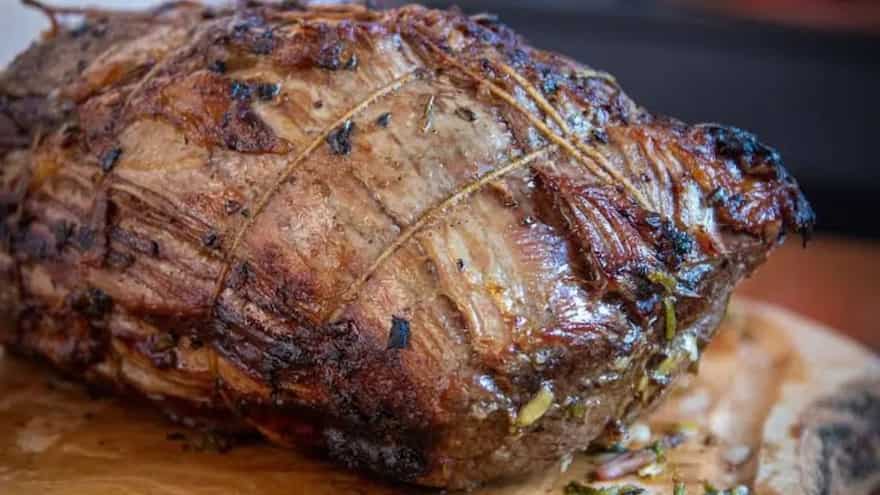
Image credit: Pexels
The Last Resort Of Fishing
Interestingly, fish was viewed with surprisingly little enthusiasm in the early texts. Despite sailing across the wine dark sea for a decade, Odysseus and his men only resorted to fishing out of pure desperation. When their ship was stranded and their rations of bread and lamb ran completely dry, they fashioned makeshift hooks to catch fish. To the ancient Greek aristocratic mind, heroic status was inextricably linked to hunting land animals and consuming red meat, making seafood a meal of last resort for the starving. This desperation reached its absolute peak when his starving crew committed the ultimate sin of slaughtering the sacred cattle of the sun god Helios, an act of sheer culinary desperation that doomed them all to drown in a subsequent storm.

Image credit: Pexels
The Quintessential Beverage And Sweetener
No meal in the ancient Mediterranean was complete without wine. But this was certainly not the delicate beverage we savour today. Ancient Greek wine was thick, highly alcoholic, and sometimes flavoured with tree resin, sea water, or local herbs. It was strictly mixed with water in large communal bowls called kraters. Drinking unmixed wine was considered utterly barbaric and physically dangerous. Wine even served as a tactical weapon in the epic, as Odysseus uses a skin of incredibly potent unmixed vintage to intoxicate the cyclops Polyphemus before blinding him. To balance the robust flavours of their diet, honey served as the primary sweetener. It was used not just for flavouring their barley cakes and wine but also for its natural preservative properties and medicinal uses on the battlefield. Honey was often mixed with strong wine and grated goat cheese to create a restorative potion for wounded soldiers, serving as a perfect symbol of the rugged but nourishing heroic diet.
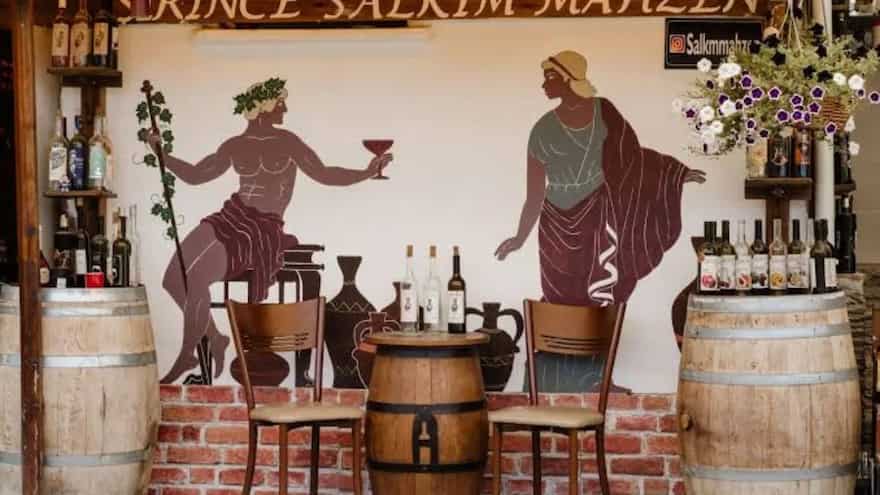
Image credit: Pexels
Ultimately, the diet of Odysseus paints a fascinating picture of ancient human endurance. The heroic appetite required robust foods that could survive long journeys, harsh climates, and the physical demands of bronze age warfare. They celebrated their victories and courtly visits with grand meat feasts, revered their preserved dairy products, and relied on the natural sweetness of figs and honey to sustain them through mythic trials. The specific ingredients provide a direct window into the ancient Mediterranean soul, proving that while monsters and gods belong to mythology, the hunger and survival of these legendary sailors were entirely real.




