


 Share
Share

A few years ago, if you had said the word ‘laphing’ to most people outside the Himalayas, you'd have gotten a deadpan expression. However, today the narratives changed as you see laphing appearing everywhere on Instagram feeds, menus of restaurants far from the Himalayas and in food blogs. This fiery, mung-bean noodle dish has become one of the most trending street snacks in various cities around the world. So how did this Tibetan staple end up not only making its way but also trending in places like Queens, New York?
What Exactly Is Laphing?
The name and concept come from the Chinese dish liangfen, which literally means “cold jelly.” It later became part of Tibetan cuisine, where it was adapted with bolder and spicier flavours. At its core, laphing is a cold noodle dish made from mung bean starch or all-purpose flour. The starch is cooked into a gel, then sliced into translucent sheets that are chewy, silky, and completely neutral in flavour on their own. Laphing itself has a mild flavour, and this neutrality works like a blank canvas for the sauces and spices added to it. Its bold taste comes from a mix of soy sauce, vinegar, garlic, chilli oil, and often a touch of numbing Sichuan pepper.
Laphings journey travelled south with Tibetan communities who settled in Nepal, particularly around Kathmandu's Boudha neighbourhood, a hub for the Tibetan diaspora. It became a mainstay of the Kathmandu Valley's street food market, sold from little roadside stalls tucked into alleyways, usually for the price of a cheap lunch.
A Dish On The Move
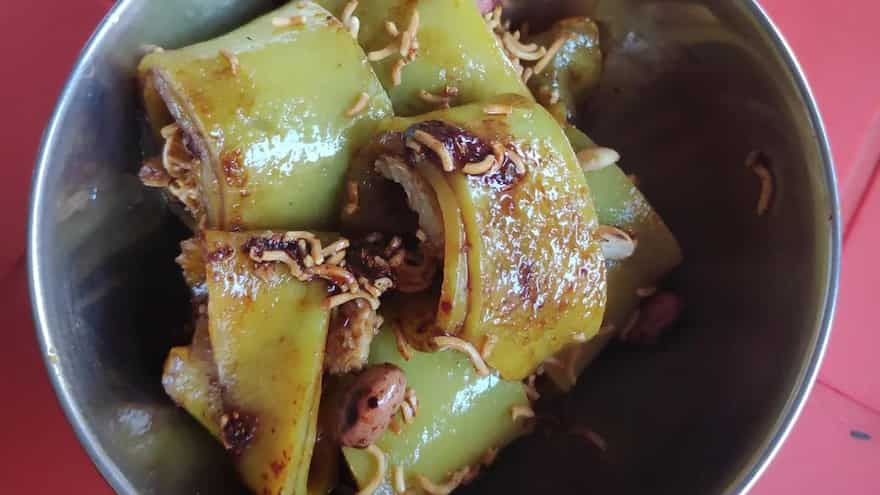
Image Credits: Wikimedia Commons
Street food trends rarely stay contained to their city of origin, especially when there's a diaspora community carrying the recipe abroad. That's exactly what's happened with laphing. For instance, in New York City, the Jackson Heights neighbourhood in Queens has become an unlikely epicentre for Himalayan food culture, with a dense cluster of Tibetan, Nepali, and Bhutanese vendors and restaurants packed into just a few blocks. Laphing sits alongside momos and thukpa as one of the signature dishes locals now seek out here.
Part of what makes laphing so popular on social media is the sensory experience it offers. The heat isn't just one-dimensional. It combines the spicy kick of chilli with the tingling, numbing effect of Sichuan pepper, creating a unique sensation that confuses the brain about whether it's tasting or feeling something. That's the kind of visceral reaction that travels well online, as people film their first bite, fan their mouths, and share the clips with others.
From Back-Alley Snack To The City Obsession
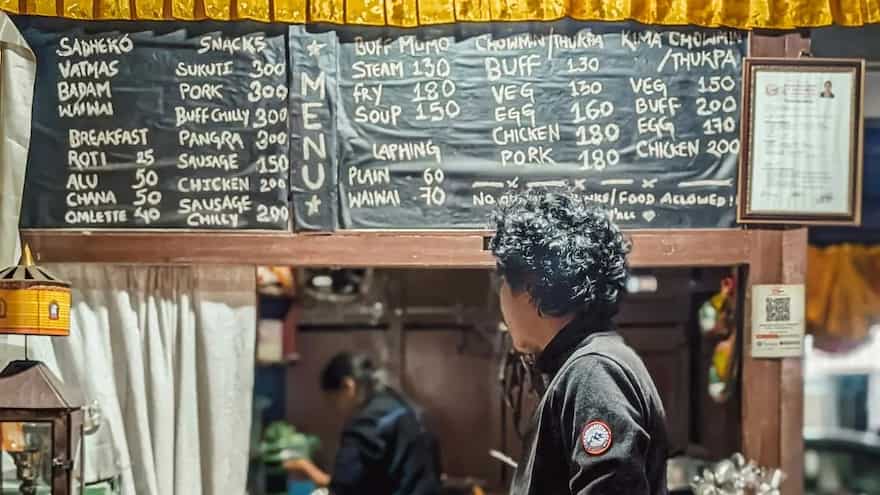
Image credits: Unsplash
Ask around Kathmandu, and you'll hear the same narrative that laphing wasn't always this popular. Vendors describe it becoming a genuine citywide craze only in the last several years, driven largely by students and office workers looking for something quick, cheap, and different from the usual fried snacks. Laphing had a few things going for it that made it perfect for this crowd. It's inexpensive and fast to eat between classes or on a lunch break. Also, that spicy, numbing kick gives it in a way a built-in excitement that more familiar snacks don't have.
It also appeals to people looking for lighter food. Compared to fried street food, laphing is relatively low in fat and offers a bit of plant-based protein from the mung bean base. This works well for people looking for something a little less indulgent without sacrificing flavour. Vendors have now started experimenting with variations like soup-style laphing, and some have even floated ideas like fruit laphing, such as mango laphing, to keep the trend evolving.
Also Read: Kitchen Tips: How To Make Laphing At Home?
Passing Fad?
Unlike some viral foods that vanish as quickly as they arrive, laphing has a few structural advantages. It's cheap to produce, doesn't require extensive equipment, and adapts easily to local tastes, as vendors can take the spice up or down or experiment with new toppings without losing what makes the dish recognisable. Moreover, it also fits perfectly into a growing urban food culture that is keenly exploring regional Asian street foods beyond familiar favourites like ramen, dumplings and pho.
As Himalayan communities continue to shape food scenes in cities worldwide, laphing looks less like a flash-in-the-pan and more like the vanguard of a broader appetite for Nepali and Tibetan cuisine. What started as an affordable afternoon snack in Kathmandu's alleys has become a genuine cross-border food story. This proves that sometimes the most riveting culinary trends aren't invented but are simply waiting to be discovered.




