


 Share
Share

Mottainai is a Japanese term that expresses regret when something valuable is wasted. The word carries both a spiritual and practical meaning, encouraging people to respect resources and use them fully. In Japan, this concept has shaped how families cook, how households function, and even how waste is managed. In India, festive cooking has long carried similar attitudes, where every ingredient is considered precious. During festivals, Indian kitchens become busy spaces filled with preparation, but they also demonstrate a careful awareness of resources. Dishes are created with leftover ingredients, parts of vegetables are used completely, and sharing food within the community reduces waste. Both mottainai and Indian festive practices teach that food is not only nourishment but also a responsibility.
Mottainai In Japanese Culture
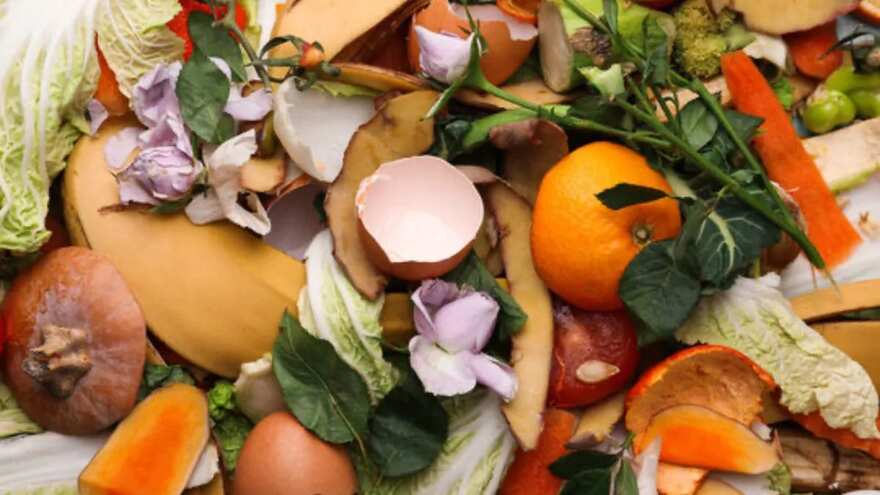
In Japanese culture, mottainai is more than a single idea of waste management. It connects to Buddhist teachings of respect and gratitude for life. The expression reminds people that discarding something without using it fully dishonours the effort and resources involved in producing it. This is why Japanese cooking traditions often focus on seasonal produce, balanced portions, and methods that allow every part of an ingredient to be used. Families often create soups or pickles with leftover vegetables, and dishes like miso soup often include scraps that might otherwise be discarded. Even in modern Japan, campaigns promote mottainai as a way to reduce food waste in households and schools.
Indian Understanding Of Resource Respect
In India, the idea of respecting resources has always been present in food culture. Ancient scriptures describe food as sacred, and wasting it is considered disrespectful. This belief becomes very visible during festivals when communities prepare large quantities of food. Every grain of rice and every drop of ghee is used mindfully. Vegetable peels are often cooked into chutneys, rice starch is turned into light broths, and stale bread becomes desserts or snacks. The kitchen is treated as a space where nothing should be thrown away without thought. This principle is taught across generations, and it mirrors the Japanese approach of mottainai, though expressed in different cultural language.
Festive Cooking And Ingredient Use
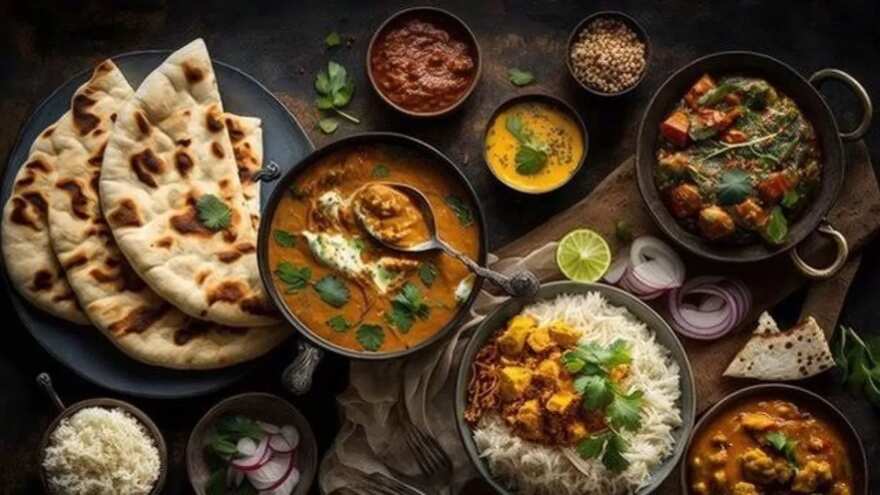
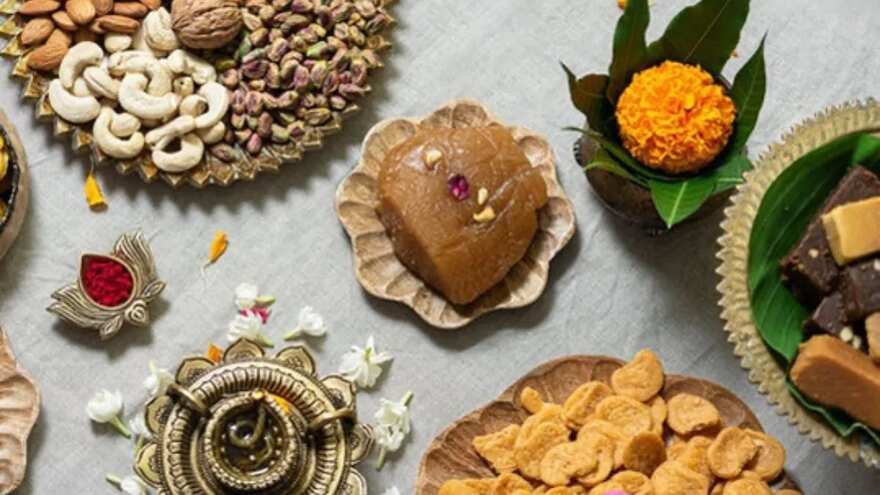
Festive kitchens in India involve heavy cooking schedules, with sweets, savouries, and meals being prepared in abundance. Yet in many households, there is careful planning to ensure ingredients are not wasted. During Diwali, leftover boondi may be reshaped into laddoos, while during Onam, vegetable skins used in avial are added to stir-fries the next day. In Bengali kitchens during Durga Puja, even the stalks and peels of vegetables are used in dishes like chorchori. These practices are not only about frugality but also about culinary creativity, which allows families to celebrate without excess wastage.
Shared Philosophies Of Gratitude
At the core of both mottainai and Indian festive cooking lies gratitude. In Japan, mottainai encourages people to acknowledge the labour of farmers, the energy of the soil, and the care of cooks. In India, food is often offered to deities before being consumed, showing a direct connection between gratitude and meals. The offering is not symbolic alone, as it reflects an understanding that food is sacred and must not be wasted. By linking food to gratitude, both traditions create a deeper responsibility for mindful cooking.
Sustainability In Cultural Practices
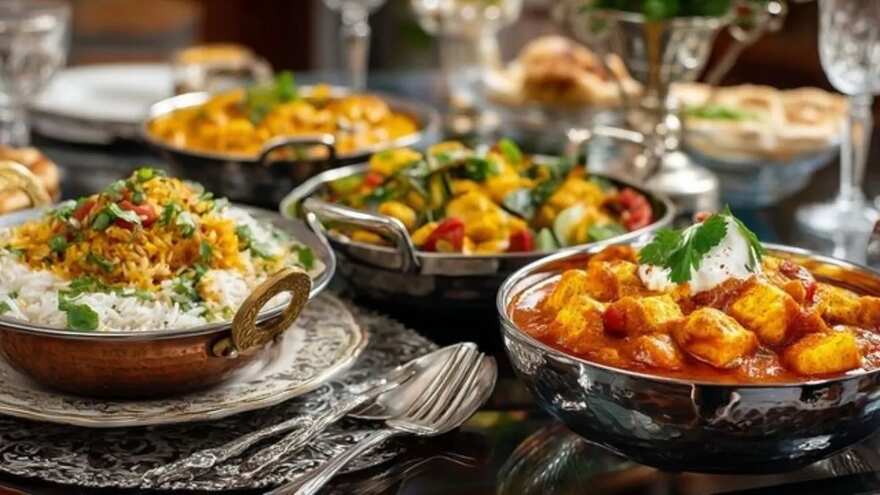
Modern discussions on sustainability often highlight new solutions, but mottainai and Indian traditions already provide tested methods. Using leftovers, reducing waste, and cooking with respect are practices that fit well into contemporary concerns of food security and climate impact. By paying attention to these values during festivals, communities can also avoid the large-scale food waste that often follows celebrations. These cultural habits are not only relevant in households but also in temples, gurudwaras, and community kitchens where food is prepared for large gatherings. Respect for resources ensures that feeding many people does not lead to unnecessary waste.
Continuity Across Generations
One reason these values endure is that they are passed down through generations. In Japan, mottainai is taught to children at school and reinforced in homes. In India, children observe elders saving vegetable peels for cooking or using every part of fruit for sweets. During festivals, young members of families participate in food preparation and learn by practice. This shared teaching helps ensure that the principles do not disappear in modern times. Instead, they adapt and remain relevant even as cooking methods change.
Examples Of Practical Application
During Pongal in Tamil Nadu, the excess milk that boils over in celebration is later used in making payasam, so nothing is wasted. In Gujarat, leftovers from festive thalis are turned into thepla fillings or mixed into curries. In Kerala, coconut shells are not discarded immediately but often repurposed as fuel for cooking fires. In Japan, fish bones are simmered to make stock, and leftover rice is used in soups or fried dishes. These examples show how both cultures find ways to honour food resources and avoid waste.




