


 Share
Share

The internet works in mysterious ways, turning an unknown web developer into the centre of a massive cultural debate overnight. Himanshu Jangra became the focal point of widespread outrage following his interaction on a stand up comedy show hosted by Pranit More. During a crowd work segment, Himanshu took the microphone and narrated a story about a recent date. He casually detailed taking a woman out and buying her a plate of chicken biryani that cost roughly ₹370. The story took a dark turn when he admitted his thought process after paying the bill. He stated he wanted to recover his investment and seriously considered taking the woman back to his room purely because he had spent that money. Rather than shutting down this deeply problematic mindset, the comedian laughed. Pranit More even brushed it off as Peak Gurgaon content. The clip was posted online for laughs, but viewers immediately saw the glaring issues. However, beyond the obvious entitlement, the internet fixated on a completely different angle. People were astounded by the sheer financial delusion of treating ₹370 as a massive romantic investment.
The Economic Reality Of ₹370 In 2026
To understand why the internet reacted with such fierce mockery, we have to look at what ₹370 actually buys you in the Indian consumer landscape of 2026. Inflation and shifting business models have fundamentally changed the value of this amount. It is no longer a sum that represents a lavish outing or a substantial financial sacrifice. Let us start with quick commerce. We live in an era where Blinkit, Zepto and Swiggy Instamart dictate our daily spending habits. If you decide to order a few basic snacks right now, your ₹370 budget will vanish instantly. A standard 200 gram packet of premium cashews costs around ₹221. Add a large packet of branded potato chips and a single cold drink, and your cart value easily crosses ₹320. By the time the app adds a handling fee, surge pricing for high demand hours, and the standard delivery charge, your modest snack order has completely wiped out the ₹370 mark. This amount barely covers a mid week midnight craving for one person, let alone a grand gesture on a date.
Food Delivery And Platform Fees
The absurdity becomes even clearer when you look at online food delivery platforms today. In March 2026, major aggregators like Zomato and Swiggy implemented another hike in their mandatory platform fees. Users now pay upwards of ₹14.90 to ₹17.58 just as a basic platform charge before any taxes or delivery fees are applied. If Himanshu had ordered that same biryani online, the breakdown of a ₹370 bill would be eye opening. After deducting the platform fee, the standard 5 percent GST, restaurant packaging charges, and a surge delivery fee, the actual cost of the food itself would sit somewhere around ₹250. In modern Indian metropolitan cities, that price point barely secures a basic meal at a budget eatery. You cannot even purchase a medium sized premium pizza, a fast food burger combo, or two specialty coffees at a mid tier cafe for that amount. The idea that this highly basic expenditure should guarantee unending gratitude or physical intimacy left audiences completely baffled.
The Hidden Costs Of Getting To A Date
When we evaluate the financial dynamics of a date, we also have to consider the logistics. Transport in cities like Delhi, Gurgaon or Mumbai is notoriously expensive. Booking a basic cab ride through Uber or Ola to travel just seven or eight kilometres will routinely cost you between ₹300 and ₹400 depending on traffic and time of day. Women across social media platforms were quick to highlight this exact reality. The woman Himanshu took out likely spent significantly more just travelling to the venue than he spent on the entire meal. When you factor in the financial investment of grooming, personal care, and commuting, the ₹370 biryani looks less like a grand romantic gesture and more like the bare minimum requirement of sharing a meal. Treating such a trivial bill as a transactional token for physical access is what ignited the fierce backlash.
The Transactional Mindset Problem
The outrage over the pricing perfectly highlights a much deeper societal issue. People were disgusted by the implication that paying for any meal, regardless of the price tag, automatically grants a person access to someone else. Himanshu unknowingly voiced a toxic ideology that reduces human interaction to a cheap ledger. Content creators flooded platforms like Instagram and YouTube to dismantle this logic. They thanked the man for accidentally exposing the reality of transactional dating expectations. The phrase regarding the cheap biryani quickly evolved into a cultural shorthand for bare minimum effort coupled with maximum entitlement. Relationship experts noted that this clip exposes a deeply ingrained belief system where financial expenditure is mistakenly viewed as purchasing consent.
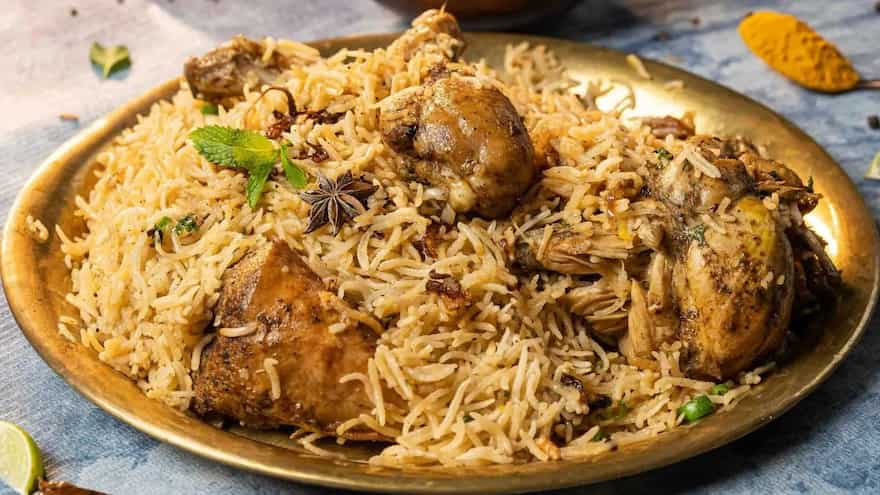
Image credit: Pexels
The Comedian And The Aftermath
The spotlight of accountability did not solely rest on the audience member. A massive wave of criticism was directed at Pranit More. Audiences argued that comedians hold significant influence, and laughing at the comment implicitly told the room that such behaviour is acceptable. As the backlash intensified, Pranit More issued a public apology. He stated his lapse in judgement and removed the clip from his social media channels to ensure he did not normalise such a mindset. Facing immense heat, Himanshu also released a statement claiming he only meant to be entertaining, though he admitted his words were highly insensitive. Shortly after, users noticed his social media accounts were deactivated and he was fired from his workplace, highlighting the brutal speed of internet accountability.
Moving Forward In Modern Dating
This viral controversy serves as a massive wake up call for anyone navigating modern relationships. It brings consent and financial realities to the absolute centre of online discourse. A date is a shared experience, not a business deal where a meal is exchanged for favours. The internet has firmly established that it will no longer tolerate entitlement disguised as comedy. The next time someone considers treating a basic dinner bill as an investment requiring a return, they might want to remember the man who became a national cautionary tale over a modestly priced plate of rice.




