


 Share
Share

Scroll through any social media feed today and you will inevitably encounter the thick, decadent snap of the viral Dubai chocolate bar. Stuffed with a vibrant green blend of pistachio paste and crispy kunafa pastry, this chunky confection has transcended its origins in the United Arab Emirates to become a global obsession. From upscale patisseries in South Bombay and Delhi trying to replicate the recipe to international food influencers chasing the trend, the dessert is an absolute sensation. It represents a particular brand of modern, highly visual indulgence. Yet beneath the satisfying crunch and the creamy green centre lies a deeply troubling geopolitical reality. The story of the pistachio inside that viral chocolate bar is not just a tale of agricultural supply and demand. It is a story of global trade wars, engineered sanctions, and billionaires reshaping foreign policy to secure a lucrative monopoly.
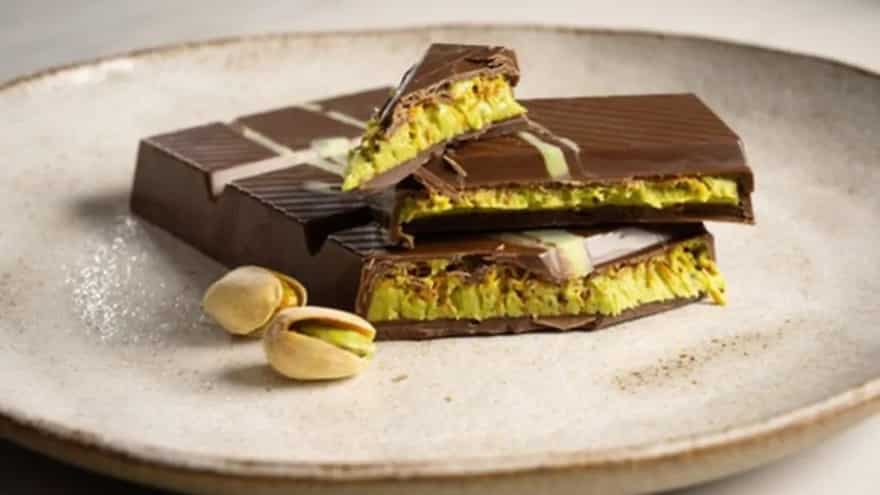
Image credit: Adobe Stock
The Original Green Gold: Iranian Pistachio
For centuries, the pistachio was synonymous with the Iranian plateau. The climate and soil of Iran provided the perfect conditions for growing what was colloquially known as green gold. Across South Asia, and particularly in India, the pistachio or pista is not just a snack but a cultural cornerstone. It is woven into rich mithai, scattered over royal biryanis, and blended into celebratory faloodas. Indian consumers have always prized the deep, earthy profile of the Iranian pistachio, an ingredient that carries centuries of trade history between the Persian Gulf and the subcontinent. But if you purchase a packet of premium pistachios today, they are almost certainly not from Kerman or Rafsanjan. They are likely grown in the arid stretches of the Californian desert. This monumental shift in global agriculture did not happen by chance or through fair market competition. It was the result of a calculated political strategy.
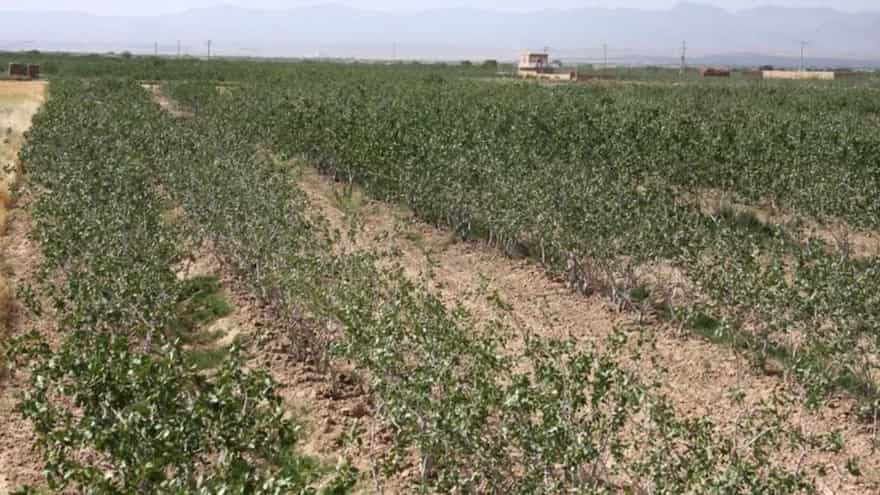
Image credit: Wikimedia Commons
The California Takeover
The transformation of the pistachio market began in the late twentieth century, perfectly timed with the geopolitical upheaval of the 1979 Iranian Revolution. As diplomatic relations between Washington and Tehran collapsed, a small group of opportunistic agricultural entrepreneurs in California saw an opening. Among them were Stewart and Lynda Resnick, a billionaire couple who would go on to build an agricultural empire. As staunch Zionists, the Resnicks realised that if Iranian pistachios could be kept out of the lucrative American market, California farmers could fill the void, simultaneously serving their financial ambitions and their ideological stance. They began planting vast orchards of pistachio trees, cultivated from Iranian cuttings, in the San Joaquin Valley. However, growing the nuts was only half the battle. To ensure absolute dominance, they needed the American government to permanently cripple their primary rival.
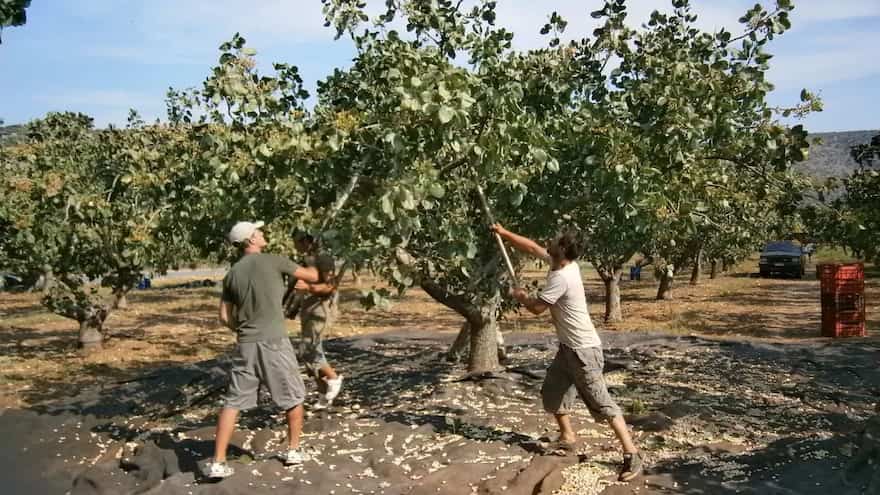
Image credit: Wikimedia Commons
Lobbying And Geopolitics
What followed was a masterclass in lobbying and political manoeuvring. In 1986, American pistachio growers successfully pressured the government to impose a staggering tariff of 300 percent on Iranian pistachios, effectively pricing them out of the United States. But the true stroke of genius, from a purely ruthless business perspective, was tying their agricultural interests to the broader theatre of Middle Eastern geopolitics. Over the ensuing decades, the Resnicks became major political donors, directing vast sums of money to politicians and influential Washington think tanks that advocated for a hawkish, confrontational stance against Iran. Investigative journalists and documentary filmmakers have extensively chronicled how these California agricultural magnates actively supported policies that maintained or intensified economic sanctions on Iran. By funding political figures who vehemently opposed diplomatic breakthroughs like the Iran nuclear deal, they helped ensure that Iranian pistachio farmers remained isolated from global banking and logistics networks. The foreign policy apparatus was effectively weaponised to protect a Californian nut monopoly.
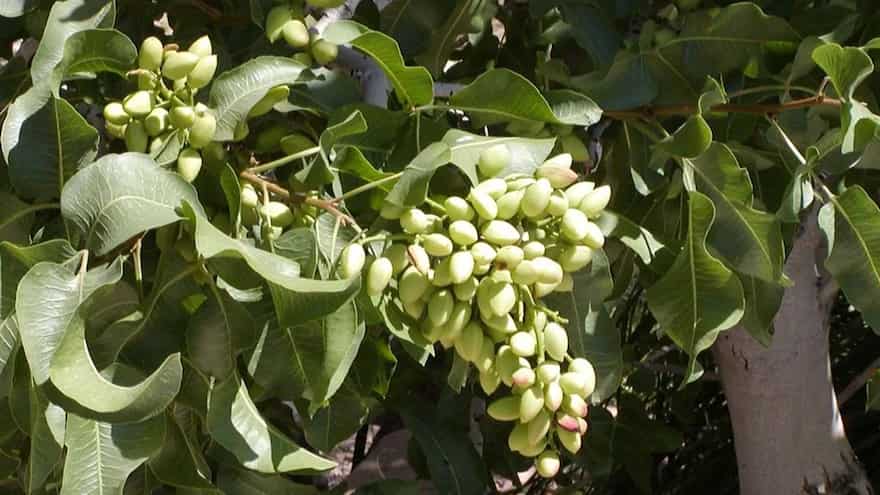
Image credit: Wikimedia Commons
The Environmental Toll
The environmental toll of this politically engineered monopoly has been devastating. Pistachio trees are incredibly thirsty crops. To sustain their sprawling orchards in a state notorious for severe droughts, mega farmers have exerted immense influence over the public water system of California. They have relentlessly lobbied to commodify water, bending state infrastructure to divert vital rivers and reservoirs toward their private agricultural holdings. While ordinary citizens faced strict water rationing and local ecosystems suffered irreversible damage, the agricultural titans continued to expand their highly profitable pistachio empires. The irony is stark. A trade war justified by national security rhetoric was ultimately fuelled by draining the natural resources of the very country it claimed to protect.
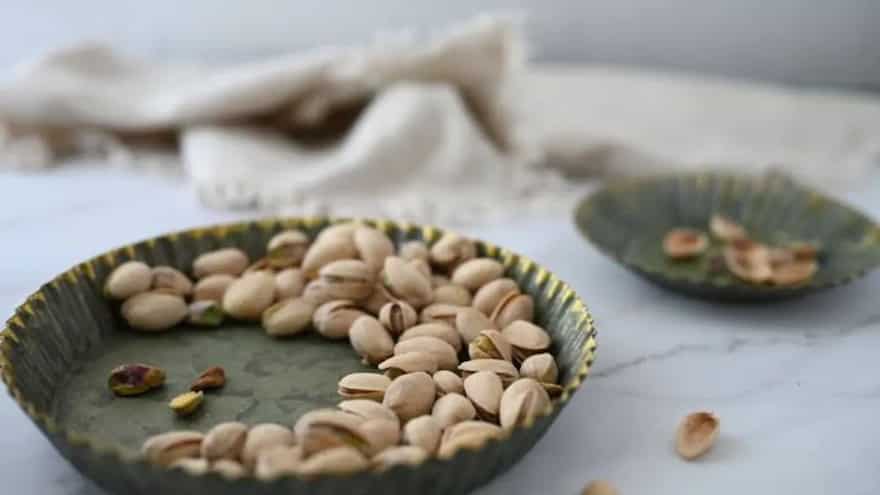
Image credit: Wikimedia Commons
The Final Blow: Bombing The Competition
While economic sanctions slowly strangled the Iranian pistachio industry over decades, recent geopolitical events delivered a swift and devastating physical blow. The US bombing of Iran directly targeted the very infrastructure essential to the Iranian pistachio trade. Satellite imagery has revealed the extent of the destruction, showing pistachio warehouses in Kerman province, the historic heart of the Iranian pistachio industry, completely decimated. The US deliberately targeted industries tied to Iranian wealth, and pistachios were a prime target. This was not merely collateral damage; it was the physical dismantling of an agricultural sector that once dominated the global market. The Californian pistachio barons effectively watched their main competitor be reduced to rubble.

Image credit: Pexels
The Stolen Roots Of Kunafa
There is another layer of profound irony baked into this viral dessert. The crispy pastry that gives the Dubai chocolate its signature crunch is kunafa, a delicacy whose true origins lie far from the glittering skyscrapers of the Emirates. Kunafa is fundamentally of Palestinian origin. Specifically, it traces its deep culinary heritage to the Palestinian city of Nablus, where kanafeh has been perfected over centuries using local cheese and spun dough. By stripping kunafa of its rich Palestinian history and repackaging it as a generic, hyper capitalist Dubai trend, the cultural narrative is conveniently erased. It becomes particularly jarring when you realise that the global frenzy for this repackaged Palestinian staple is driving up pistachio prices, thereby directly enriching the very same Zionist Californian billionaires who actively lobby for policies that devastate the wider region.
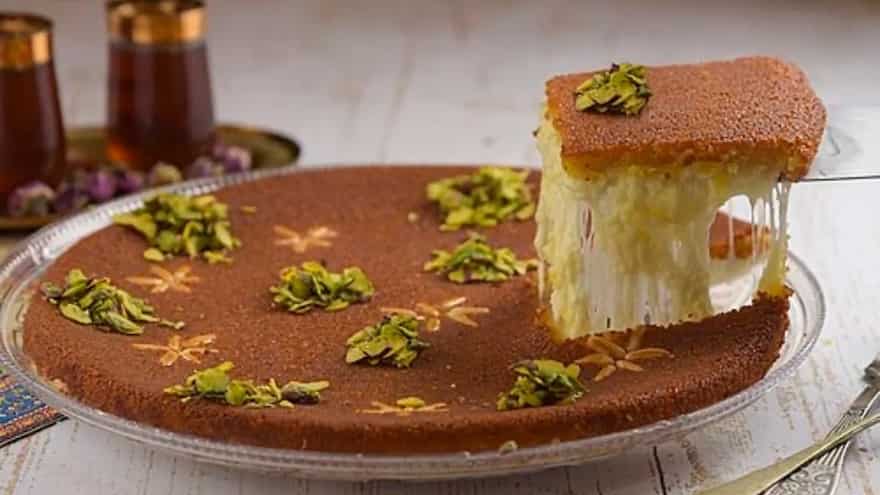
Image credit: Wikimedia Commons
A Viral Trend Built On Ruins
This brings us back to the current frenzy surrounding the Dubai chocolate bar. The viral explosion of this dessert, originally created by a boutique Dubai chocolatier in 2021 before going massively viral in late 2023, created an unprecedented, immediate global demand for pistachio kernels. Suddenly, chocolatiers and commercial bakeries worldwide were scrambling to secure high grade pistachio paste to capitalise on the trend. Prices for pistachios skyrocketed on the international market, rising by nearly 35 percent and jumping from roughly seven dollars to over ten dollars per pound in a matter of months. The sudden spike in prices has a tangible ripple effect globally, including in India, where sweet makers are feeling the pinch as the cost of premium pista surges, directly impacting the economics of traditional mithai production. And the primary beneficiaries of this sudden, massive windfall are the very same Californian agribusinesses that spent decades lobbying to keep Iranian farmers out of the game. The Dubai chocolate craze has inadvertently poured millions of dollars into the coffers of an industry that actively funded the economic strangulation of its overseas competitors.
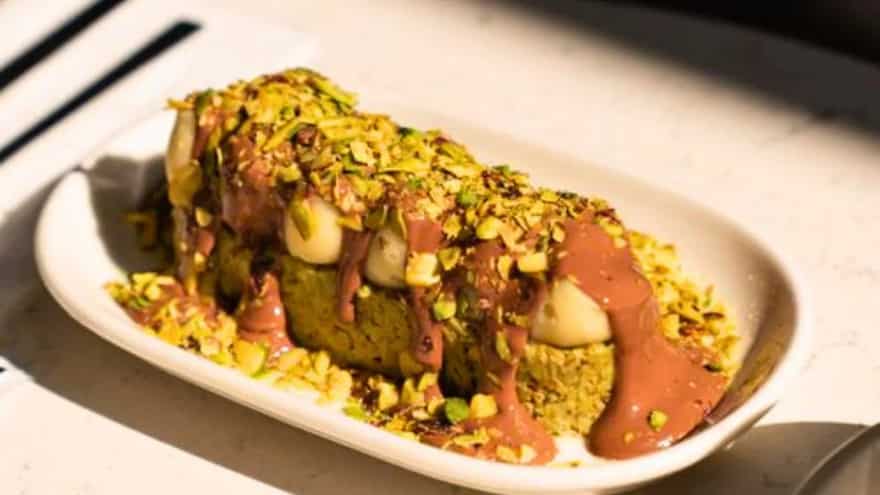
Image credit: Pexels
The Dubai Connection
Furthermore, the association with Dubai adds another layer of grim complexity to the narrative. The viral chocolate bar is heavily marketed as a symbol of the extravagant, ultra luxurious lifestyle championed by the Emirate. Dubai relies heavily on projecting this specific image of pristine, effortless wealth to attract global tourism and foreign investment. Yet human rights organisations have repeatedly highlighted the dark underbelly of this glittering ecosystem. The extreme wealth and rapid development of the region are built upon a highly exploitative labour system, which traps millions of migrant workers in conditions that frequently amount to modern servitude. Various international reports have also implicated the broader regional infrastructure in facilitating illicit financial flows and human trafficking. The royalty and the ruling elite actively curate and promote a sanitised playground where viral luxury trends are born, effectively distracting the global public from the systemic abuses required to maintain such an environment.
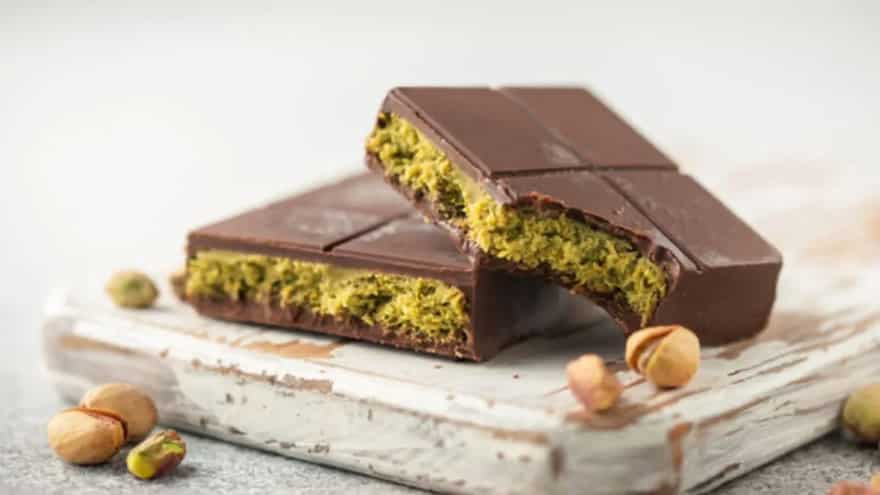
Image credit: Adobe Stock
We consume trends as eagerly as we consume the products themselves, rarely pausing to consider the global supply chains that make them possible. The Dubai chocolate bar is objectively delicious, a brilliant fusion of textures and cultural flavours. But it is impossible to separate the dessert from the disturbing reality of its ingredients and its branding. Every bite of that bright green filling is a testament to the power of political lobbying, the devastating impact of economic sanctions, and the ruthless commodification of natural resources. It is a product of diverted rivers in California, bombed warehouses in Iran, erased Palestinian culinary heritage, and an exploitative luxury machine in the Middle East. The next time a viral food trend takes over your timeline, it is worth looking past the aesthetic appeal to ask who exactly is profiting from the craze, and what hidden costs have been paid to deliver that fleeting moment of indulgence.




