Share
Share

IN OCTOBER 2025, the European Parliament voted in favour of a bill restricting food packaging to reserve terms such as “burger”, “sausage” and “steak” for meat-based products only.
If approved by member states, plant-based alternatives must abandon familiar labels, but this packaging legalism may miss a deeper point: meaning doesn’t live solely on shelves; it lives in our heads.
Words Aren’t Fixed: How Meaning Lives in the Brain
Contrary to the notion that words hold one neat definition (à la dictionary), our brains store words like “milk”, “burger” or “sausage” as clusters of qualities: source, appearance, and function. For example, “milk” might mean white, pourable, from a mammal, but plant-based milks confuse the source without breaking the impression.
When regulators attempt to carve out meaning via law, they overlook how meaning actually lives — between cognition and culture — not just on packaging.
What Makes a Burger a Burger?
When you think “burger”, what you imagine matters more than the label. The source (beef, chicken, bean), the shape (a patty), and the function (sandwiched in a bun) all feed your internal category of “burger”.
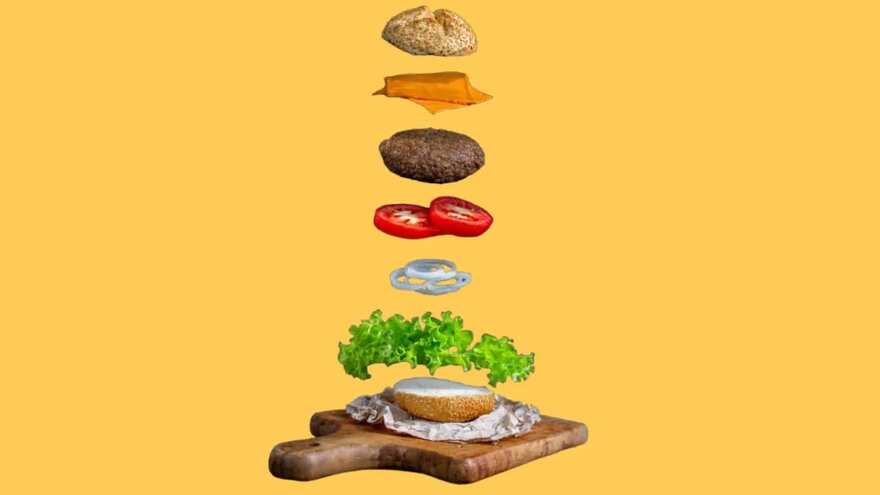
Because that category allows flexibility in source but remains fixed on shape and function, renaming plant-based patties won’t instantly rewire our mental file. The EU’s proposed ban is about source (“meat only”), but consumers anchor more meaning to form and usage than to legislative mandate.
Packaging vs Everyday Language: The Global Picture
Countries and regions have previously sought to regulate naming, such as the EU’s dairy definitions (“milk” only for mammal-secreted liquids) and France’s 2024 ban on meat terms for plant proteins.
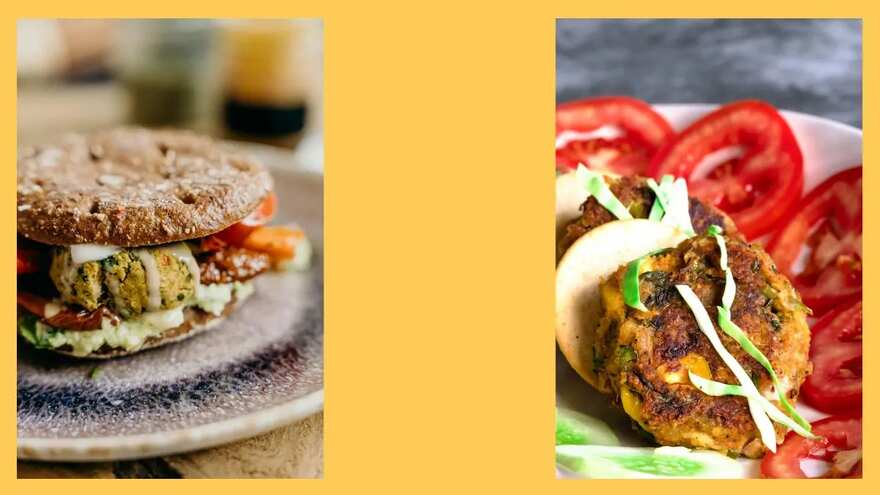
Yet consumers carry on using “almond milk” or “veggie burger”. A law may change the shelf label, but your brain, your friends at the grill, and cultural usage will likely keep using the word anyway.
Why This Matters Beyond the Supermarket
The debate about terms like “burger” or “sausage” isn’t just semantic; it intersects farming economics, food marketing, sustainability and identity. Livestock producers, plant-based companies, consumers — all are negotiating meaning, value and practice.
But when legislation tries to fix meaning from above, it collides with the messy reality of language, cognition and consumption. The mental concept of “burger” may evolve, but rarely on command.
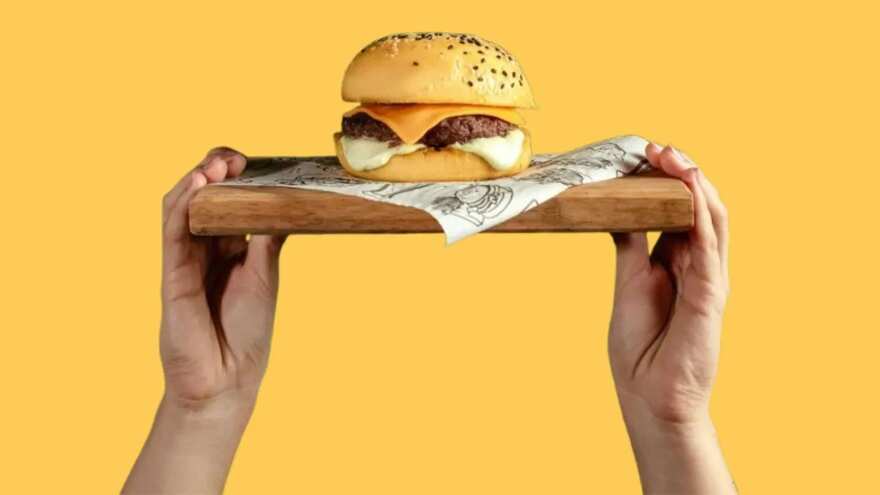
Yes, the vote in Brussels may reshape packaging. But it won’t instantly reshape our internal dictionaries. Meaning is built from repeated use, associations, form and function — not just legal labels. So you might see “plant-based disc with bun” on a box in Europe one day, but in your mind, and across dinner tables worldwide, you’ll still likely call it a burger. Because meaning matters more than mandate.
This article draws from a piece by Victoria-Elliot Bush, originally published on The Conversation and has been reproduced here under the Creative Commons licence.