


 Share
Share

THERE IS A MOMENT in the final season of The Bear when the restaurant stops feeling like a place that serves food and starts feeling like a place trying desperately to stay alive.
A storm batters Chicago. Water seeps into the basement. Pipes give way. The reservation system falters. Equipment misbehaves. Supplies are running thin. Finances are stretched to breaking point. Yet the doors remain open because service, as every restaurant professional knows, is the one promise that cannot easily be broken.
For five seasons, The Bear has been praised for capturing the adrenaline of professional kitchens—the clipped "Yes, Chef", the choreography of the brigade, the relentless pursuit of perfection. But its final outing quietly shifts its gaze elsewhere. It asks us to look beyond the pass, beyond the plating tweezers and tasting spoons, towards something far less glamorous and infinitely more important.
The systems.
For diners, a restaurant begins when they are shown to a table.
For the people who work there, it begins hours earlier.
Long before the first scallop hits the pan or the first sauce is mounted with butter, someone has checked deliveries against invoices. Someone has calibrated ovens, stocked the walk-in, sharpened knives, portioned proteins, labelled mise en place, polished glasses and counted covers. Every successful dinner service is the visible tip of an iceberg of preparation.
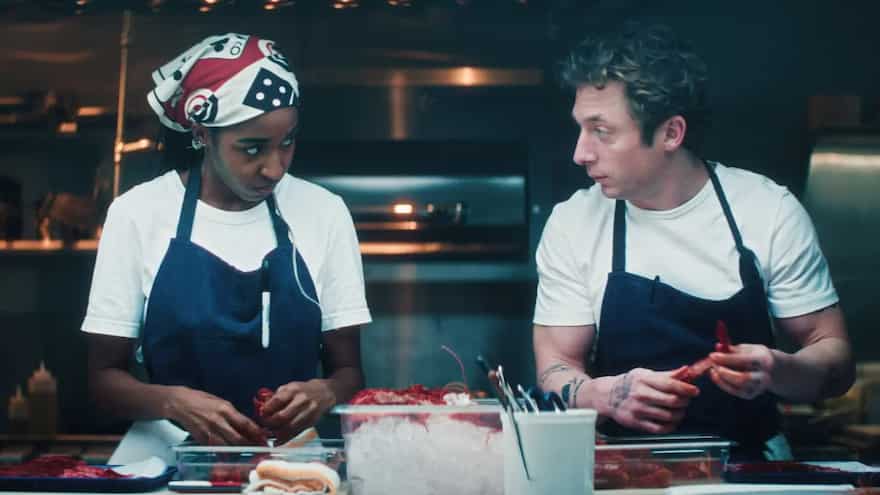
The Bear has always understood this rhythm. But the final season is the first to ask what happens when the preparation itself begins to collapse.
The brilliance of the season lies in refusing to treat infrastructure as background noise. A flooded basement is never just a flooded basement. It threatens inventory. Burst pipes aren't merely an inconvenience; they disrupt sanitation, workflow and timing. A glitch in the reservation system isn't just an IT problem. It throws carefully planned service into disarray.
Restaurants, after all, don't fail only because of bad food.
Sometimes they fail because the fridge dies on a Friday afternoon.
Because a supplier cannot deliver.
Because cash flow tightens.
Because a dishwasher calls in sick.
Because one problem arrives five minutes before another.
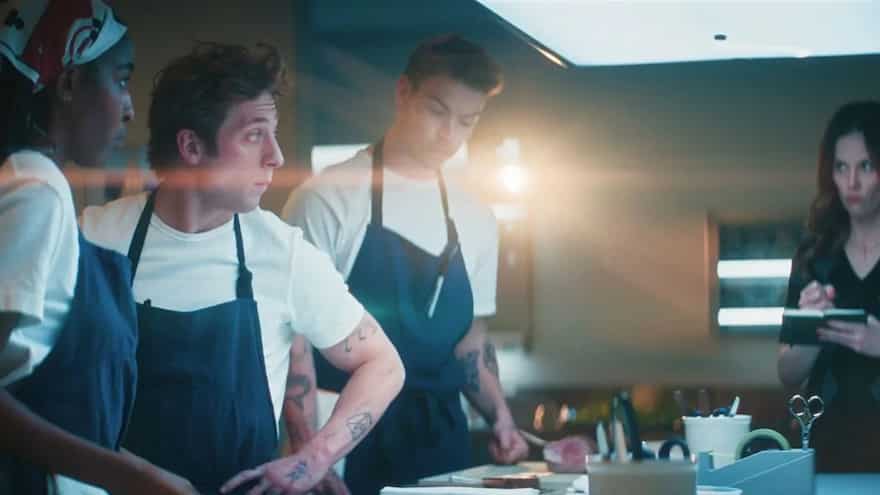
Professional kitchens have always spoken reverentially about ingredients. The perfect tomato. The freshest uni. Butter with just the right fat content. A heritage grain milled at precisely the right texture.
Yet the final season suggests that perhaps the most important ingredient never appears on the menu.
Reliability.
Reliability is what allows chefs to be creative instead of reactive. It is what gives a server the confidence to promise a special of the day. It is what allows a tasting menu to unfold with the quiet inevitability of theatre rather than the frantic improvisation of crisis management.
When reliability disappears, craft gives way to survival.
That shift is everywhere in The Bear. The brigade still cooks beautifully. They still chase excellence. But excellence is no longer their biggest obstacle. Stability is.
Perhaps that is why the season feels so different from many glossy portrayals of restaurant life. Food television often fetishises genius. It loves the temperamental chef, the miraculous dish conceived in a flash of inspiration, the perfectly timed service where every plate leaves the kitchen as if by magic.
Real restaurants are rarely built on moments of magic.
They are built on repetition.
On prep lists.
On ordering sheets.
On maintenance schedules.
On the quiet competence of people whose names never appear in reviews.
A restaurant's greatest luxury isn't caviar.
It's predictability.
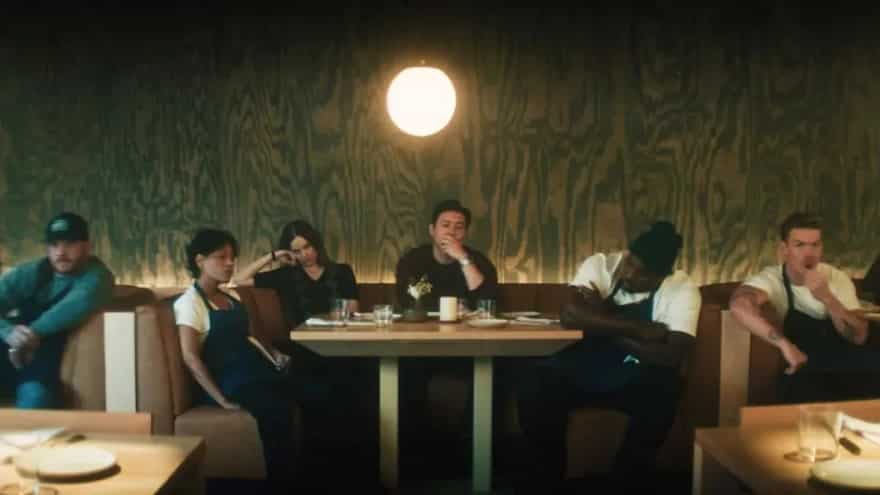
This is also why The Bear never allows Carmy to become the sole hero of the story. His talent matters. Sydney's precision matters. Richie's evolution matters. But the restaurant only functions because dozens of people absorb shocks before those shocks reach the dining room. Hospitality has always depended on making labour invisible.
The guest should never know the fish arrived late.
Or that someone spent twenty minutes unclogging a drain before service.
Or that the pastry section had to rethink dessert because a delivery never turned up.
The smoother the experience, the more invisible the work becomes.
Ironically, the finest compliment diners often pay a restaurant — "everything felt effortless" — usually means someone else worked extraordinarily hard to make it appear that way.
The final season understands this paradox better than perhaps any television drama before it.
It doesn't ask us to admire suffering. It asks us to notice labour.
That distinction matters.
For years, popular culture has romanticised the idea that great restaurants are forged through pain—that brilliance demands burnout and that perfection is impossible without sacrifice. The Bear flirted with that mythology in its earlier seasons. Here, it seems more interested in dismantling it.
Passion may inspire a restaurant.
But passion cannot repair plumbing.
It cannot replace a missed delivery.
It cannot balance a budget.
It cannot keep a brigade together if the foundations beneath them continue to crack.
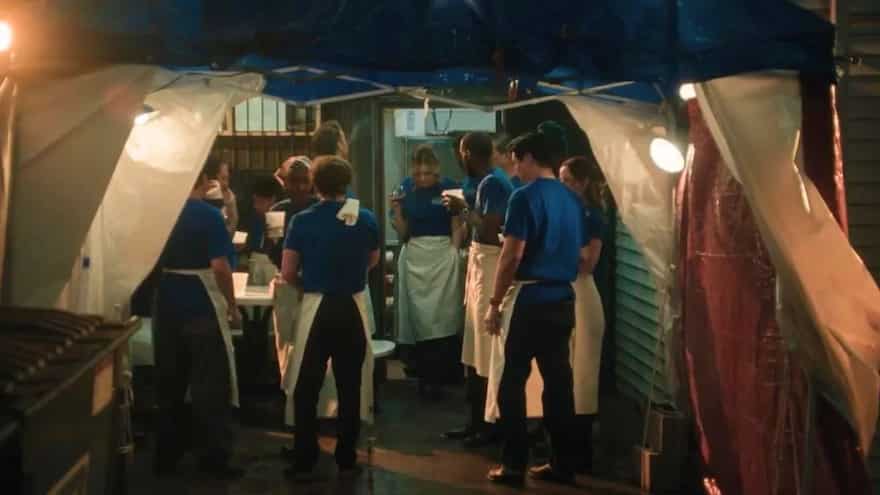
By the time The Bear serves its final course, the Michelin star almost feels secondary. The deeper victory lies elsewhere. In showing that every extraordinary meal rests upon an extraordinary amount of ordinary work.
Not just cooking.
Preparing.
Cleaning.
Ordering.
Repairing.
Planning.
Beginning again tomorrow.
And perhaps that is the show's most lasting contribution to food culture. It reminds us that the finest ingredient in any restaurant was never hidden in the pantry.
It was always hidden in the work that diners were never meant to see.




