


 Share
Share

Amaranth is an ancient grain with a texture and appearance quite similar to quinoa, and its tiny, tan-hued seeds can be prepared like rice and oats when boiled and consumed in the same form. Although amaranth is botanically classified as a seed rather than a grain, it is more accurately described as a "pseudocereal." But the fascinating way amaranth is cultivated to get the distinct red hue from this village in Kerala speaks volumes about why it has been grabbing all the attention. In South Cherthala, a panchayat in Kerala's Alappuzha district, 'Thaickal' is more than simply a village name. It is intrinsically linked to the identity of the village's most popular crop, amaranth, also known as 'cheera' in Malayalam. Its prized red cultivar, unique to Thaickal and farmed for at least a century, has been a reliable source of food for many women farmers.
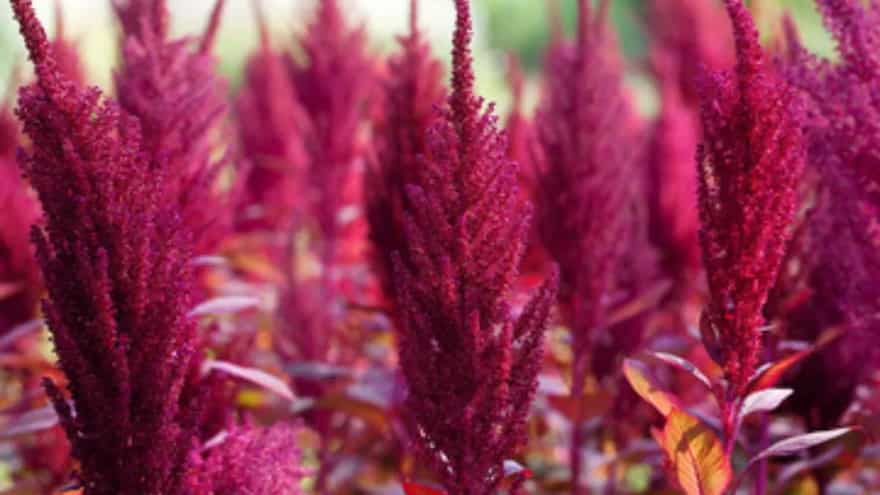
Image Credit: Adobe Stock
How Amaranth Is Farmed In Thaickal Village
The Thaickal cheera, which is grown in this coastal community for six months of the year, adds a beautiful hue of red to the surroundings. Grown in both red and green forms, amaranth is commonly consumed across the state of Kerala. In only a few minutes, its chopped leaves become a delectable stir-fry when added to a mixture of heated coconut oil and a few spices.
It is a mainstay of Malayali cuisine because of its flavour and quick cooking time. The flavour of amaranth can be described as nutty, herbaceous, and mildly peppery. It resembles quinoa in that it has a crisp consistency all its own. The nutty flavour of amaranth is heightened when it is toasted or "popped," and the texture becomes slightly crispy. As per the study published by the State Horticulture Mission Of Kerala, it mentions that amaranthus is the most widely grown green vegetable in Kerala, with 2169 hectares planted with amaranthus as of 2021, and the Thaickal variation has become rather popular.
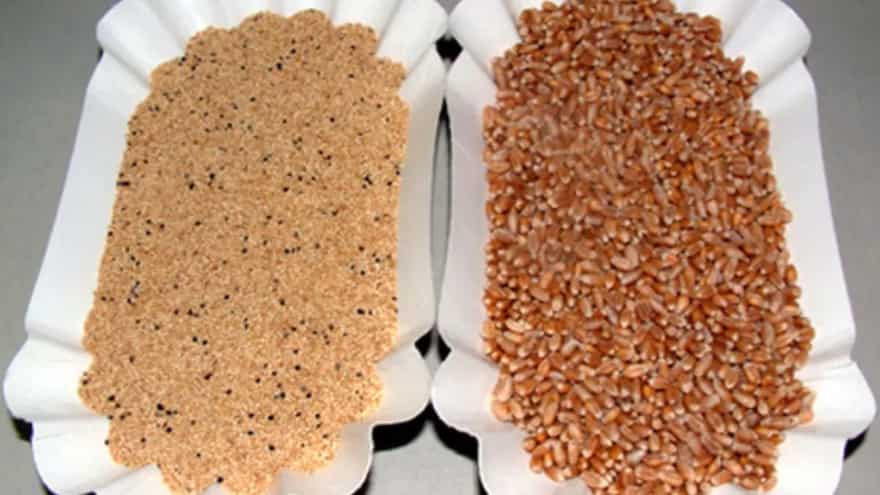
Image Credit: Wikimedia Commons
To highlight its vivid look and brilliance, the farmers here prefix it with the adjective "silk." Its abundant leaf density, or the quantity of leaves per unit area, sets it apart from other types like the Vlathankara cheera, which is also commonly accessible in the area. One varambu (raised bed) of the Thaickal type may produce at least 10–12 kilograms. Early harvesters might earn INR 100 per kilogram, which is INR 20 more than those who only sell at the height of the season.
The Women Behind Thaickal’s Famous Crimson Amaranth
The crimson amaranth is in different states of bloom in the farmlands that dot Thaickal. Women make up the majority of farmers who care for the developing leaves, with a few men who are landowners. Earlier, they were asked to harvest the amaranth even if it was not yet ripe, but now all of that is in the past. In recent times, women farmers can purchase the land, grow the amaranth and even sell it on their own. Thaickal and its amaranth have been a part of these women's lives for as long as you can imagine. When they were younger, they would travel to the fields with their mother, grandmother, and other ladies to learn farming techniques as part of daily life or as a way to spend valuable time with family.

Image Credit: Wikimedia Commons
The first part of the year is when cultivation is at its peak, and then the crop is ready for harvesting in precisely 26 to 28 days under stable weather. Because Thaickal village tends to flood, the seeds are grown on raised beds built by labourers specifically employed for this purpose. Every week after the seeds are sown, leaves appear, and on the 28th day, they are ready to go to the vegetable market.
The harvest has a predictable schedule, which is why women farmers regard the crop as a fortune maker. Watering the crop, which needs to be done twice a day, is the most time-consuming part of daily work in amaranth cultivation. It is fragile and cannot withstand the force of water from a hose in its early stages of growth. Therefore, it may take four to five hours for farmers to gently sprinkle it with water from a pot. As a result, they have little time to prepare their own meals because they work on farms. Although the Thaickal cheera may be grown on an elevated plot, most farmers stop growing it in June, when Kerala's rainy season begins.
For generations, they have been preparing the seeds and stocking them for the next year. Now, this is where things get interesting because the steps of how to take care of freshly harvested amaranth are crucial to the entire Thaickal village. The tiny size of amaranth seeds makes them nearly invisible to the unaided eye, and for a better understanding, let’s say it's similar to taking a child to prepare them and send them into the world. Only on the third day can a seed stand upright, while on the fourth day, it will wither if it is not quenched with water.
Why Thaickal’s Amaranth Needs Your Attention
People from different regions of Kerala have come to try Thaickal's amaranth since it has become sufficiently well-known on social media. The Thaickal amaranth's well-known quality has declined over the past four years due to leaf blight disease, which causes cream-coloured spots to grow on the leaves and eventually cause deformity.
Despite growing expenses, amaranth farming continues to be a reliable source of revenue for the women farmers in the village. The crop demands a lot of work but yields consistent returns when grown with natural fertilisers such as ash, cow dung, and chicken manure. Amaranth cultivation continues to support lives in the community, making the daily struggle rewarding because the majority of the job is done within the family, and there is little need for outside workers.




