


 Share
Share

Tahini is probably familiar to everyone who has ever savoured a flavourful hummus dip. But what is tahini, and why has it grown to be a common ingredient in so many kitchens? Let's examine all the information you require regarding tahini from its history to its uses. And did you know that all you need to create tahini at home are three ingredients? Yes, you did read that correctly. The best part is that you'll learn some of the numerous uses for it in cuisine. What are you waiting for? Continue reading to learn to appreciate the distinct flavour of tahini.
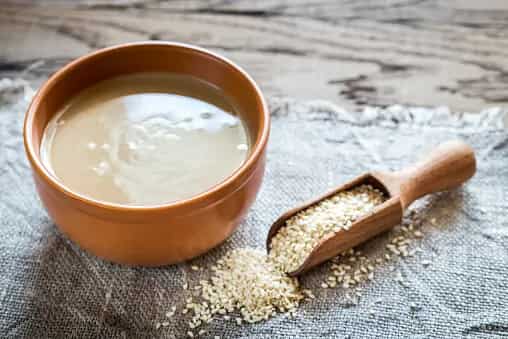
Tahini is a paste made from ground sesame seeds. It is a popular ingredient in Middle Eastern and Mediterranean cuisine and is used in a variety of dishes. The basic ingredients used to make tahini are sesame seeds and oil. The sesame seeds are first toasted to enhance their nutty flavour and then ground into a smooth paste. Some varieties of tahini may also include additional ingredients such as salt, sugar, or lemon juice. Tahini has a rich, nutty flavour and is commonly used as a condiment or ingredient in dishes such as hummus, baba ganoush, falafel, and halva.
Tracing The Origins Of Tahini
Tahini has a long and rich history that spans thousands of years. It is believed to have originated in the Middle East, where sesame seeds have been cultivated for over 4,000 years.
The ancient Babylonians, Assyrians, and Egyptians were known to have used sesame seeds in their cuisine and for medicinal purposes. In fact, the ancient Egyptians believed that tahini had healing powers and used it as a remedy for various ailments.
Tahini became popular in the Arab world during the medieval period and was later introduced to the Mediterranean region by traders and merchants. It quickly became a staple ingredient in Middle Eastern and Mediterranean cuisine, and remains so to this day.
In the 20th century, tahini gained popularity in the West, particularly in the United States and Europe, as interest in Middle Eastern and Mediterranean cuisine grew.
Today, tahini is widely available in supermarkets and speciality stores around the world. It is used in a variety of dishes, from dips and spreads to sauces and dressings. It is also a popular ingredient in vegan and vegetarian cooking, as it provides a rich, creamy texture and a nutty flavour that complements a wide range of dishes.
What Does Tahini Taste Like?
Tahini has a rich, nutty flavour with a slightly bitter undertone. The taste can vary depending on the type of sesame seeds used, as well as the method of preparation.
Toasting the sesame seeds before grinding them into a paste can enhance the nutty flavour and give the tahini a slightly roasted or smoky taste. Some varieties of tahini may also contain added ingredients such as salt, sugar, or lemon juice, which can further affect the flavour profile.
The texture of tahini can also affect the taste. A smooth, creamy tahini will have a milder taste than a coarser, grittier tahini, which may have a stronger, more pronounced taste.
How To Make Tahini At Home?
Making tahini at home is a simple and easy process that requires only a few basic ingredients. Here's how to make tahini at home with just three ingredients:
Ingredients:
• 1 cup sesame seeds
• 1/4 cup olive oil
• Pinch of salt
Instructions:
• Preheat your oven to 350°F (180°C). Spread the sesame seeds evenly on a baking sheet and bake them for 10-12 minutes, stirring occasionally, until they are golden brown. This step is optional, but it will help to bring out the nutty flavour of the sesame seeds.
• Let the sesame seeds cool for a few minutes, then transfer them to a food processor or blender. Add the olive oil and a pinch of salt.
• Pulse the mixture in the food processor or blender until it reaches a smooth, creamy consistency. This may take a few minutes, and you may need to stop and scrape down the sides of the container a few times.
• Taste the tahini and adjust the seasoning as needed. You can add more salt, olive oil, or lemon juice to adjust the flavour to your liking.
• Transfer the tahini to an airtight container and store it in the refrigerator for up to a month. Before using, stir the tahini well to re-incorporate any separated oil.
And that's it - with just three ingredients and a few minutes of blending, you can make your own delicious tahini at home. It's a great way to save money and control the ingredients in your cooking.
Culinary Uses Of Tahini
One of the most common uses of tahini is as a base for dips and spreads. Hummus is perhaps the most famous example of this. It's a creamy dip made from chickpeas, tahini, garlic, lemon juice, and olive oil. Tahini can also be used in other dips and spreads, such as baba ganoush (a dip made from roasted eggplant, tahini, garlic, lemon juice, and olive oil) and muhammara (a spicy dip made from roasted red peppers, walnuts, breadcrumbs, tahini, and spices).
Tahini is also a key ingredient in many sauces and dressings. It can be mixed with lemon juice, olive oil, and spices to make a tangy dressing for salads, or used as a sauce for grilled meats and vegetables. Tahini sauce is also a popular condiment for falafel, shawarma, and other Middle-Eastern street foods.
In addition to savoury dishes, tahini can also be used in sweet recipes. It is a key ingredient in halva, a Middle Eastern dessert made from tahini, sugar, and nuts. Tahini can also be used to make cookies, cakes, and other baked goods, adding a rich, nutty taste to the recipe.
How To Store Tahini?
Tahini is a long-lasting ingredient that can be stored for several months if kept in the right conditions. Here are some tips on how to store tahini properly:
Firstly, it is important to keep tahini in an airtight container. This will help to prevent it from absorbing any moisture or odours that could spoil the flavour or texture. You can use a glass jar or a plastic container with a tight-fitting lid.
Tahini should be stored in a cool, dry place, away from direct sunlight and heat sources. The ideal temperature for storing tahini is between 50°F and 70°F. Avoid storing it in the refrigerator or freezer, as this can cause the oil to separate and the texture to become grainy.
When you first open a jar of tahini, you may notice a layer of oil on top. This is normal and can be easily mixed back into the tahini using a spoon or spatula. If the tahini has been sitting for a while and has separated, you may need to stir it more vigorously to mix the oil back in.
If you find that your tahini has become thick or lumpy, you can add a small amount of warm water to the jar and stir until it reaches the desired consistency. This will help to loosen up the tahini and make it easier to work with.
Finally, it's important to check the expiration date on your tahini before using it. While tahini can last for several months if stored properly, it will eventually go bad and should be discarded. Signs that tahini has gone bad include a rancid smell, a sour taste, or mould growth.
Best Tahini Substitutes
Fortunately, there are several tahini substitutes that can be used in a pinch. Here are some of the best tahini substitutes:
• Peanut Butter: Peanut butter is a good substitute for tahini in many recipes. It has a similar texture and nutty flavour that can work well in hummus, sauces, and dressings. However, keep in mind that it will also add a distinct peanut taste to your dish.
• Almond Butter: Almond butter is another good substitute for tahini, especially if you're looking for a nuttier flavour. It has a slightly sweeter taste than tahini, but it can still work well in hummus, dressings, and sauces.
• Sunflower Seed Butter: Sunflower seed butter, also known as sunflower seed paste, is a good alternative to tahini for those with nut allergies. It has a similar texture and mild taste that can work well in recipes that call for tahini.
• Soy Sauce: Soy sauce can be used as a substitute for tahini in certain recipes, particularly in Asian dishes. It has a similar umami flavour and can add depth to sauces and dressings.
• Greek Yoghurt: Greek yoghurt can be used as a substitute for tahini in some recipes, particularly in dips and dressings. It has a creamy texture and tangy taste that can work well in place of tahini.
• Hummus: If you're making a recipe that calls for tahini, but you don't have any on hand, you can also try using hummus as a substitute. Hummus is made with tahini, so it will have a similar flavour profile and texture. However, keep in mind that it may also add additional flavours, such as garlic and lemon.




