


 Share
Share

If you take a quick look at the restaurants in Kolkata offering true blue Bangladeshi flavours along with a home-style Bengali cuisine experience, Himur Heshel is one of the most visible names you will come across. Sutapa Barua is a self-taught chef who shares her origin from Chittagong, Bangladesh, moved to Kolkata, and transformed her personal food memories into Himur Heshel, a place that preserves authentic Bangladeshi and traditional Bengali home-style cuisine.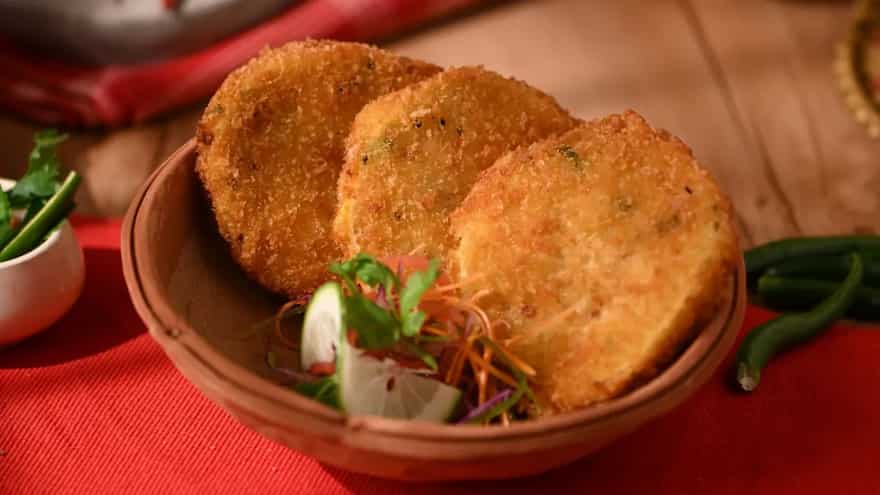
Image Credit: Himur Heshel
The simple initiative of a cloud kitchen that started in 2017 gradually stepped into a celebratory dining destination where Sutapa Barua chose to focus on forgotten recipes, regional techniques and nostalgic flavours. You don’t need to be a food connoisseur to understand what Himur Heshel prepares for you while keeping the undivided Bengal flavour alive; the taste says it all.
Himur Heshel: From A Home Kitchen To Kolkata’s Culinary Destination
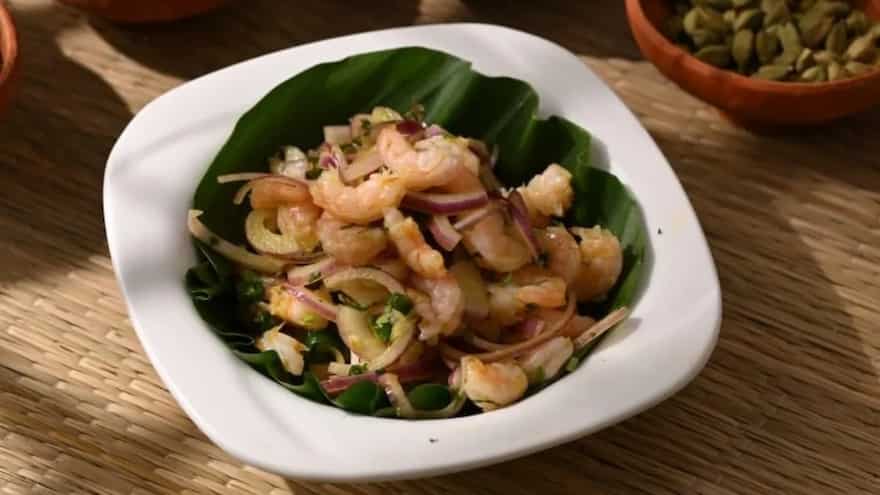
Image Credit: Himur Heshel
From Sutapa’s deep connection with her roots to her belief that food carries its stories across the world, her cooking celebrates every Chittagong-inspired preparations to rare Bengali classics, following a link between heritage and contemporary dining. With the opening of its newest outlet in Salt Lake, Kolkata, the restaurant has stepped into a new phase while continuing its forever commitment to authenticity.
Himur Heshel’s journey began with a simple idea. As Sutapa mentioned, the venture gradually made its way by following her passion for food before expanding into a dine-in restaurant at Patuli.
Today, Himur Heshel operates a 100-cover restaurant in Kolkata, with its newest outlet opening on 22nd September 2026 at EC-163, Ground Floor, Sector-1, Salt Lake City. The space continues the restaurant’s familiar identity through ethnic décor, colourful interiors, traditional alpana artwork and a nostalgic ambience.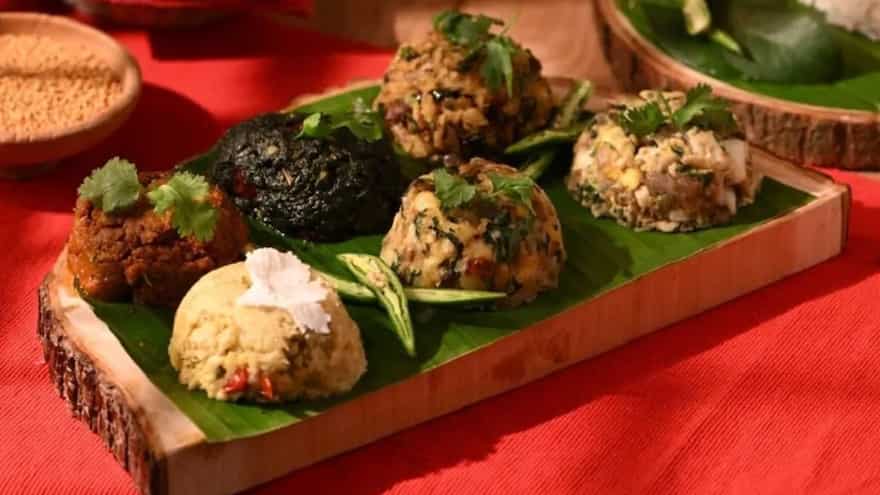
Image Credit: Himur Heshel
For Sutapa, this new outlet is a way more meaningful than a regular business expansion as it speaks of her years of hard work, and the response of diners who connected with her interpretation of regional cuisine.
“For me, this new outlet is much more than an expansion — it is a very emotional milestone. Himur Heshel started from a small space with a big dream, and seeing people embrace my food and my story has been incredibly fulfilling. Every step of this journey has taught me that food is not just about taste; it is about creating memories. With the Salt Lake outlet, I want to take that feeling of warmth, home and nostalgia to a new set of diners, while staying true to everything that brought us here.”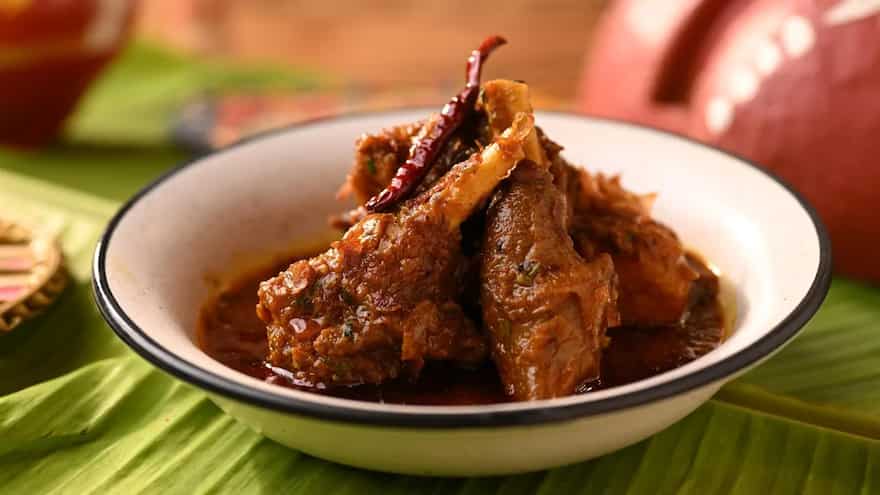
Image Credit: Himur Heshel
While talking about some of the biggest lessons Sutapa has learnt while moving from cooking at home to managing a professional kitchen and restaurant, she mentioned,
“The biggest lesson has been that passion has to be supported by discipline. Cooking at home and running a professional kitchen are completely different experiences. I had to learn about consistency, teamwork, sourcing, wastage, customer expectations and the many challenges that happen behind the scenes. But I never stopped learning. I also realised that you cannot compromise on the things that define your food. For me, that means good ingredients, patience in cooking and, above all, maintaining the taste I believe in.”
True-To-Origin Bangladeshi Cuisine: A Menu Rooted In Forgotten Traditional Recipes And Regional Flavours
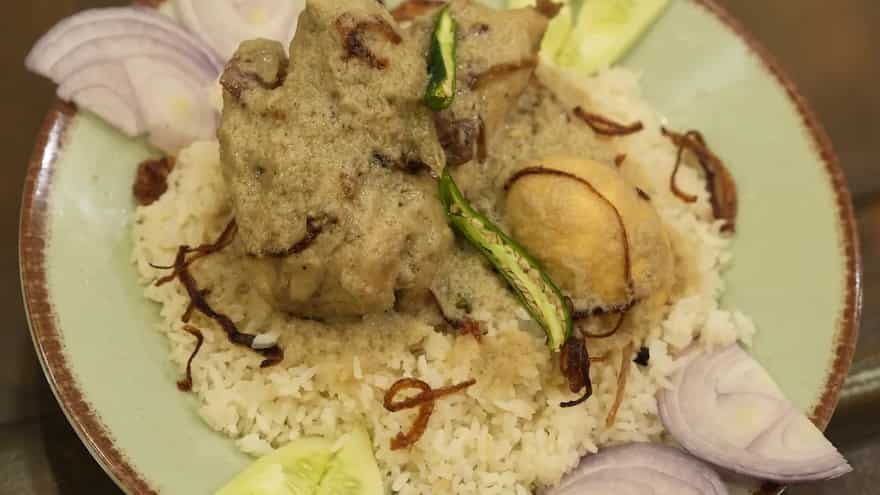
Image Credit: Himur Heshel
At Himur Heshel, menu creation is guided by stories, memories and the cultural significance attached to food. Sutapa focuses on recipes that originate from family kitchens, regional traditions and lesser-known culinary practices of Bengal and Bangladesh.
“I don't look at a dish simply as something to put on a menu. I ask myself whether it has a story, a memory and a sense of place behind it. Many of our dishes come from home kitchens, family recipes and regional traditions that are not always familiar to people in Kolkata. I try to preserve the original character of the dish rather than modify it just to suit popular tastes. My biggest guide is always authenticity — if a dish reminds someone of their own home, or makes them curious about a cuisine they have never experienced before, I feel I have done my job.”
Slurrp got a chance to have a word with Sutapa Barua about her experience and her restaurant, exploring the philosophy behind Himur Heshel and the dishes that define its identity.
Best-Selling Dishes At Himur Heshel That Celebrate Bengal And Bangladesh

Image Credit: Himur Heshel
The menu at Himur Heshel is a carefully curated representation of Bengal’s culinary diversity, bringing together forgotten recipes, traditional preparations and flavours from different regions.
Aamsotto Chingrir Melbandhan and Bonder Pur Bhora Ilisher Chop are two of the most distinctive dishes in the starter section that introduce foodies to unusual seafood combinations prepared using traditional methods.
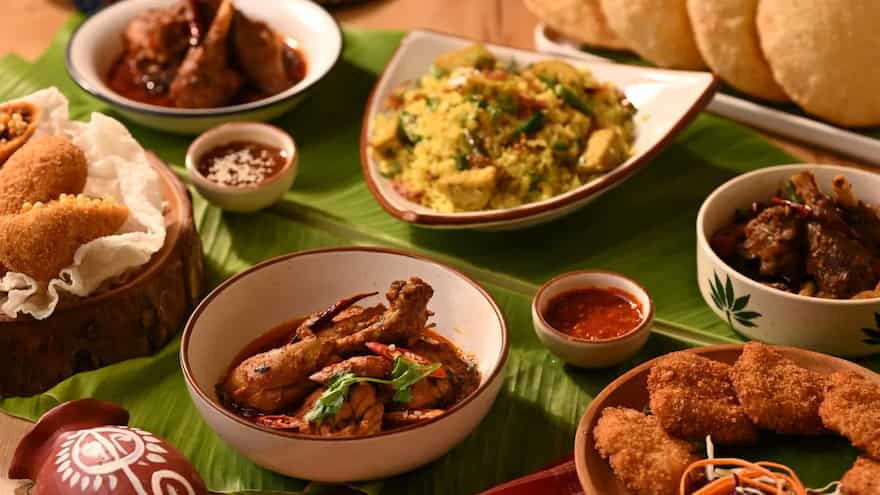
Image Credit: Himur Heshel
With dishes like Chottogramer Hathe Makha Chingri and Shile Bata Murgi, where hand-ground ingredients and traditional preparation techniques are still considered crucial, the Bhorta selection emphasises the rustic quality of home-style cooking.
Dishes like Daber Shashe Gondhoraj Chingri, Faridpurer Hathe Makha Chingri, and Aam Kasundi Bhetki, the seafood section honours Bengal's relationship with rivers and coastal flavours.
While Chatgaiya Khashir Kala Bhuna and Purba Banger Mutton Mezbani Bhuna conform to Bangladesh's rich meat traditions, Dhakai Mutton Tehari and Morog Polau continue to be preferred choices among the country's signature rice and meat dishes.
With specialties like Munshiganjer Paat Kheer and Medinipurer Muger Jilipi, the dessert category carries on the regional journey and provides an appropriate way to cap off the meal.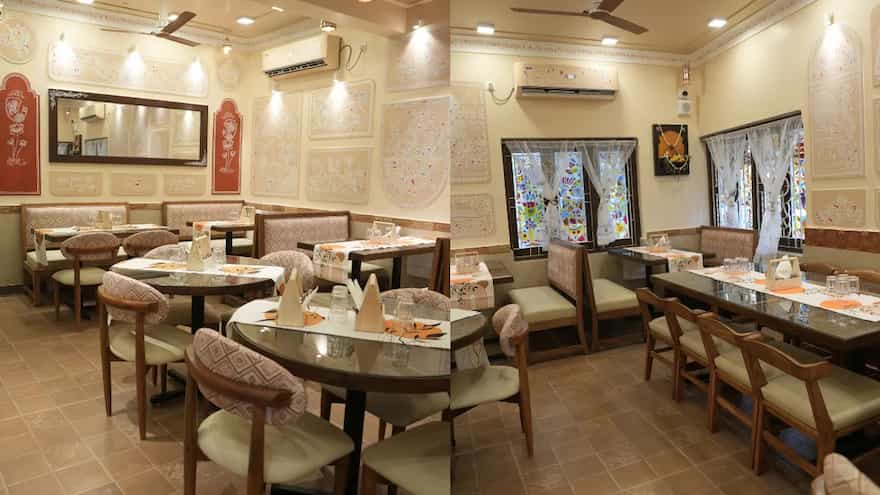
Image Credit: Himur Heshel
In addition to seasonal highlights like Ilish Parbon, a monsoon celebration devoted to hilsa-based preparations, other popular dishes at Himur Heshel include Mutton Kala Bhuna, Dhakai Bhuna, Daaber Shasher Gondhoraj Chingri, Ilish Chop, and Chicken Jali Kebab.
For Sutapa, cooking remains deeply connected to childhood memories and the flavours of her homeland.
“Chittagong is very much a part of who I am, and my strongest food memories come from watching and eating food prepared at home. The aroma of spices, the slow cooking, the way certain dishes were prepared for family occasions — all of these memories have stayed with me. I grew up understanding that food was an expression of love and hospitality. That is something I have carried into Himur Heshel. When I cook, I want people to feel the warmth of a Bangladeshi home, not just taste a recipe.”
Sutapa Barua On Preserving Heritage While Taking Bengali Cuisine Forward
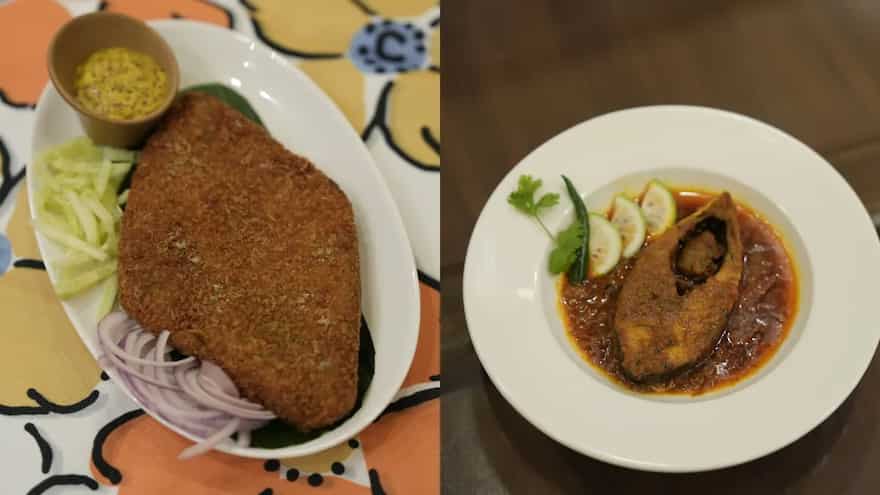
Image Credit: Himur Heshel
As Himur Heshel continues to expand, Sutapa’s focus remains on protecting the identity of Bengali and Bangladeshi cuisine while allowing it to reach new audiences. Upon asking how she sees the future of Bengali and Bangladeshi cuisine evolving while staying connected to its roots, she replied,
“I believe the future is very bright. Bengali and Bangladeshi cuisine has such incredible depth, but there are still so many dishes and regional flavours that people have yet to discover. We should evolve, but evolution should not mean losing our identity. I would love to see younger chefs experiment with presentation and techniques while respecting the soul of the original recipes. For me, the roots must always remain strong. If we preserve the story, the ingredients and the traditional flavours, we can take this cuisine anywhere in the world.”
Through Himur Heshel, Sutapa Barua continues to present food as a part of cultural record that talks about her memories of Chittagong, Bengal traditions, and the changing food scene of the City of Joy.




