


 Share
Share

In Greenland, eating is more about survival than gourmet dining. Eating has historically been essential to surviving in this harsh and desolate environment. Something you did not enjoy, but endured. You have to hunt and eat to survive. That is the harsh reality of residing in a place like Greenland. Also termed as ‘Inuit’ cuisine, meaning ‘indigenous people of the Arctic,’ everything in Greenland, including its food, is defined by nature. Since the Greenland Ice Sheet covers 80% of the country, leaving just a small amount of farmland for livestock and crops, hunting, fishing, and foraging are the mainstays of traditional Greenlandic food. If you combine this with a strong sense of community and hospitality, you create a uniquely Greenlandic culinary culture. Greenlandic ingredients can also be found on the international menus of most restaurants across the world. Find out the most important ones that need to be on the table:
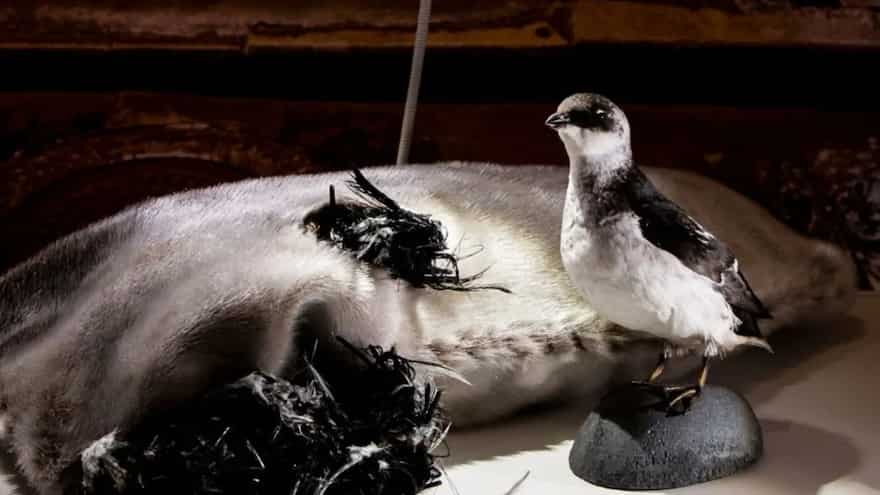
Image Credit: Disgusting Food Museum/Facebook
Kiviak
The strange Inuit treat known as kiviak comes from Greenland. It is made up of many dead auk birds packed inside a dead seal, which is then allowed to ferment for three months or more under a rock. The feet, beaks, and feathers of about 400 or 500 auk birds are utilised since the seal must be packed firmly. Created to guarantee readily available food throughout the severe winter months, the meal is today particularly well-liked during the Christmas season. Large pebbles are utilised to keep air out and preserve the food from spoiling, while the seal fat keeps flies away. To keep the carcass from becoming infested with maggots, different oils are frequently applied to the seal skin.
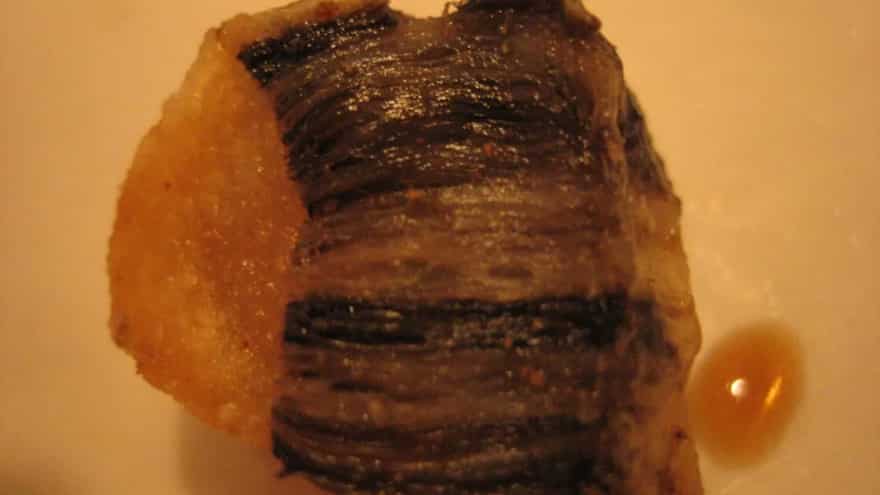
Image Credit: Wikimedia Commons
Muktuk
The traditional dish muktuk is made with frozen whale fat and skin. Beluga and narwhal can also be used for the meal, though bowhead whales are the most popular. Some say the meal tastes like fried eggs, while others say it has a soft texture and a flavour similar to fresh coconut. Although muktuk can occasionally be chopped, breaded, deep-fried, and served with soy sauce on the side, it is usually thinly sliced, seasoned with salt, and eaten raw. Not only does hunting depend on the weather, but the entire harvest process also. In order to prevent the meat and muktuk (the skin and fat) from spoiling, they must work rapidly in hot weather, such as the day they receive an entire whale. It takes a while. However, it enables people to work and spend time with friends and family. Everyone is happy and engaged, and it positively unites everyone.
Tartarmiut
Similar to steak tartare, tartarmiut is a Greenland raw meat dish made with finely chopped or minced raw meat, usually seal, whale, or fish, mixed to a soft, coarse texture and simply seasoned. The result is a rich, clean flavour and a dense, moist mouthfeel that is shaped by the meat's freshness rather than by cooking or spices. Its existence stems from Inuit eating customs that were created in the Arctic, where raw consumption maintained nutrients and made it possible to use freshly killed animals right away. Since the dish only uses raw ingredients, it entails trimming very fresh meat, chopping it finely with a knife rather than grinding it, and then lightly adding salt and, depending on availability, small amounts of fat, blood, or onion. Attention to cleanliness and freshness is crucial. The type of meat used and regional customs determine the variations; some versions incorporate fish or minor ingredients like seaweed or dried herbs. However, the key characteristic is still the lack of heat and the emphasis on texture produced by hand-chopping rather than processing.
Kalaallit Kaagiat
Baked as a huge round loaf, this sweet, yeast-leavened bread from Greenland has a soft, moist texture, a faintly golden exterior, and a mildly sweet flavour from butter, sugar, and raisins, usually enhanced with cardamom. Its use evolved as Danish contacts brought imported baking ingredients like flour, yeast, sugar, and butter into domestic kitchens, and local bakers modified bread-making techniques to produce sweeter loaves that could be served with butter, coffee, or jelly at special events and shared meals. In a bowl, sugar is combined with raisins and butter; add boiling water to melt the butter and allow the mixture to cool slightly; dissolving the active yeast in lukewarm water and adding butter mixture; it is gradually stirred into the flour until a soft, elastic dough forms. Once they knead thoroughly, they let it rise until it has doubled and then shape the dough into a round loaf and let it rest again, brushing it with milk and baking it until the inside is set and the outside is lightly coloured, finishing with a dusting of confectioner's sugar and cardamom.
Suaasat
Greenland is renowned for its breathtaking scenery and distinctive culinary customs, and it has a national cuisine called suaasat. Traditionally prepared with seal meat and regional seasonings, this filling soup is a mainstay of Greenlandic cooking. With soft chunks of meat like seal, whale, reindeer, or seabirds, it has a clear to slightly thickened broth that is frequently made with barley or rice, onions, and potatoes. It has a strong, savoury flavour and a filling, healthy texture. Its roots can be found in the subsistence diets of the Inuit and Arctic peoples of Greenland, where readily available local game and marine mammals served as the foundation for daily meals. Slowly cooking these ingredients in water with little seasoning created a hearty dish that was ideal for the long, cold seasons.




