


 Share
Share

Many people treat broccoli like just another vegetable. You simply chop, wash, and boil, and it's done. But this green is far more fragile than it looks. The way you cut it, wash it, and cook it decides whether you are eating a nutrient powerhouse or just a plate of green edible with no valuable nutrients left inside it. The nutrients of broccoli are very sensitive; the moment your knife touches it, a chain of natural enzymes gets activated, building sulforaphane, which is its most powerful health compound. Chopping it the wrong way or rushing to cook can interrupt its process before it even begins.
Wash it after cutting, and nutrients will slip away with the water. Overcook it, and everything will go mushy. You assume you are eating something healthy, but the method undermines the effort. With a little awareness of how you prepare it, broccoli can deliver all the goodness it promises.
Boiling It Until It Turns Mushy
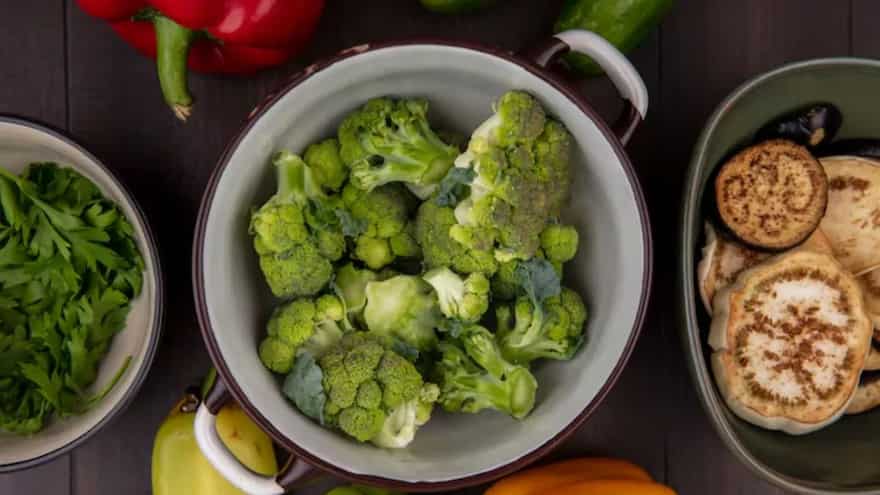
Most people boil broccoli until it becomes dull, sluggish, and mushy. This drains away everything that actually makes it healthy. The star nutrients of Broccoli, particularly vitamin C and sulforaphane, are heat-sensitive and can drain into boiling water. So instead of eating a nutrient-rich vegetable, you will be left with a bland, overcooked green that will taste more like punishment than a food. It requires light steaming to maintain its bright green colour, crunch, and goodness. Gentle cooking will save everything your body actually needs.
(Image credit: Freepik)
Cutting Broccoli Before Washing It
Rinsing the chopped broccoli under water may feel convenient, but you are actually washing away nutrients hidden in it. Once broccoli is cut, the surface area increases, making vitamins and mineral-rich particles easy to rinse away. Apart from this, enzymes that activate sulforaphane also get triggered after cutting, which means washing later on dilutes them. Rinse the whole broccoli first, then chop it. It may feel like a small step, but it will keep the natural goodness of vegetables intact inside the florets.
Skipping The “Rest Time”
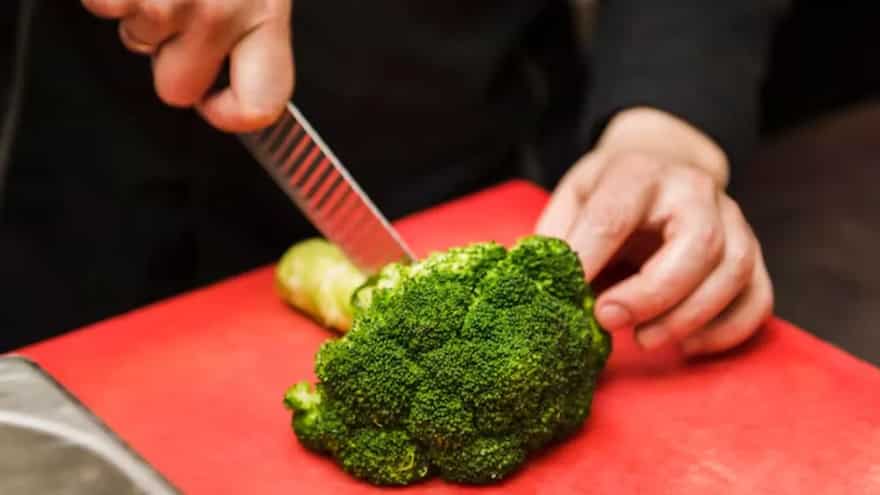
After chopping, let the broccoli rest for 5 to 10 minutes to activate an enzyme called myrosinase, which boosts sulforaphane formation. When it is chopped and immediately tossed into a hot pan, the natural reaction of broccoli is sabotage. Treat broccoli like a fruit that ripens and give it time to wake up before you cook. This tiny pause can bring massive change in the health benefits.
(Image credit: Freepik)
Cooking With Too Much Oil Or High Heat
Broccoli burns faster than you can think. When it is tossed in a very hot oil, the edges turn charred and bitter much before the inside is cooked. While the charred bits look trendy, they kill off antioxidants and sulforaphane that are heat-sensitive. High-heat cooking also parches out the florets, making them chewy instead of crisp. If you like stir-fries, start with moderate heat and give a splash of water or steam first, then finish with a small amount of oil. This will keep nutrients unchanged and give you that perfect sautéed flavour.
Throwing Away Stems
Many people slice off the florets and toss the stems without even a second thought, but the stems actually have more fibre and equal levels of vitamin C as compared to the florets. By throwing them, you are essentially throwing away half the vegetables’ nutritional power. What to do? Peel the tough outer layer and slice the tender ones inside like coins or matchsticks. The stems cook beautifully in stir-fries, soups, and even pasta. Using the whole broccoli does not just boost nutrition, but it also stretches your grocery budget.

(Image credit: Freepik)




