


 Share
Share

Within Sri Lankan and Indonesian cuisines - condiments are not just limited to being elements that provide or boost flavour of the dishes they accompany, but also become core seasonings that are a reflection of the culture’s connection with the produce of its land. Aside from being fiery and packed with aromatics, both sambol and sambal oelek are touted to be their respective culture’s most popular accompaniments. Sri Lankan sambol is a category of condiments that are typically made with fresh or dried ingredients whereas the Indonesian sambal oelek primarily uses three key ingredients as its foundation. While the former boasts of flavour complexity given the wide array of elements used in its making, the latter is fairly simplistic in its approach - while also being versatile in its utilities. Given the distinct characteristics of each, both condiments are often confused for the other or used interchangeably in reference.
Sambol
What is best described as a group of side dishes or condiments served with rice, roti and curries - the Sri Lankan sambol made with fresh or dried ingredients form the epicentre of the cuisine due to their spice, texture and contrast. Typically, the standard ingredients found in a sambol include chilli, coconut, onions, lime, maasi karuvadu (Maldive fish) and salt - most popularly known as pol sambol. Eaten with rice, string hoppers, appam or bread, other variations of the condiment also differ slightly in profiles from one another. While the lunu miris comprises of similar ingredients as the pol sambol, it excludes the addition of coconut for a sharp spice that complements boiled eggs or kiribath. The katta sambol on the other hand is similar to the lunu miris but packed with punchy flavour from the dried tuna product - best paired with rotis, rice or curry. Depending on the preference and purpose, the sambol is served either raw, sauteed or slightly cooked to direct the intensity of its taste in a way that complements rather than overpowers the meal it is served with. Whether it balances the richness of curries with freshness, heat or sweetness or boosts the taste of mellow preparations, the condiment celebrates the produce of its land despite its varieties.
Also Read:
Sambal Oelek
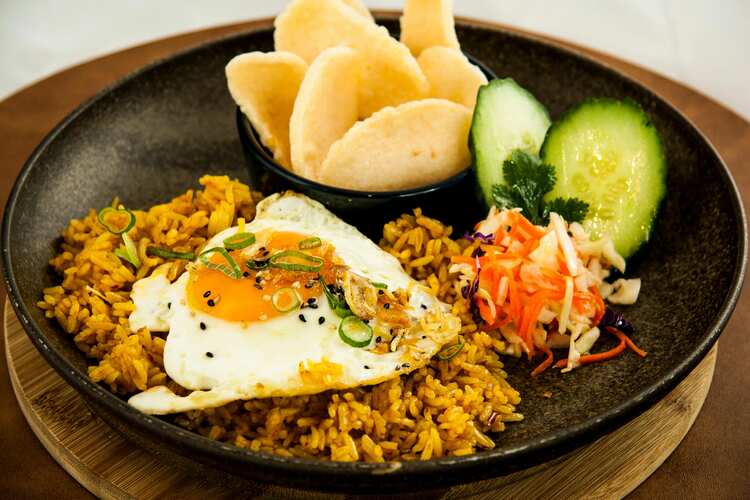
Image Credits: Pexels
A simple, three-ingredient paste made using bird’s eye chillies, vinegar and salt - the sambal oelek is a basic yet versatile condiment used widely in Indonesian cuisine. Traditionally ground using a mortar and pestle, optional ingredients also include garlic, sugar or lime juice - with regional variations like sambal terasi using shrimp paste for additional boost of flavour. Typically, the sambal oelek is used as a table condiment to be mixed with rice, noodles, fried food or satay as well as in cooking to spice up stir fries like the nasi goreng, marinades for grilled meats, soups or sauces. The fiery chilli paste, unlike the sambol, has utilities in dining as well as cooking applications - used as per preference of spice levels. Contrary to the less commercialised sambol, the sambal is a fairly well-known umami ingredient that is bottled and sold across various parts of the world. The predominant flavour profile of the sambol is most often associated with umami and spice whereas the sambol is mainly described as spicy with an underlying sweetness. Due to the addition of vinegar, the sambal has a longer shelf life compared to the Sri Lankan condiment, which is best consumed when made on a day-to-day basis due to the presence of fresh grated coconut.




