


 Share
Share

There’s nothing more heartbreaking than putting in all the effort in kneading a soft dough and ending up with rotis that turn hard and chewy. During the winter season, it is a regular occurrence, the dough feels okay while kneading, but by the time you make roti out of it, it has turned tight and rough. While cooking, rotis don’t puff, the edges crack, and within minutes they can turn dry, chewy and rough. The real culprit? Cold weather is taking away all the moisture, and stiffness is slowly creeping into the dough. Winter atta demands a little extra care and warm water, a touch of ghee, proper resting time, and good storage are its best friends.
Once you get to know about this, the dough stops being a daily guessing game and turns into something you can actually have control of. Soft dough means softer rotis that remain pleasant even after hours, not just for the first few minutes. With a few smart tweaks, your rotis during the winter season can feel like just made whenever you have them.
Use Warm Water To Knead
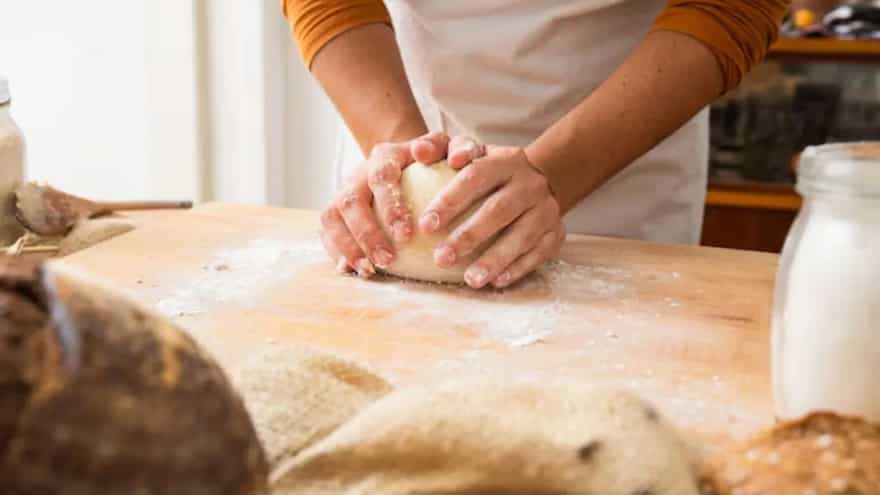
During winter, the air is cold, so the dough also tightens up and feels rough and dry. Using lukewarm water to knead instead of the regular tap water that feels like ice during cold winter days relaxes the gluten and helps the flour absorb the moisture pleasingly. As you knead with lukewarm water, you will feel the dough turn from rough and crumbly to soft and lightly pliable. The warmth also prevents the dough from turning hard as it rests. This small change makes a huge difference to the rotis and helps them remain puffy and soft.
(Image credit: Freepik)
Add A Little Ghee Or Oil
Plain atta plus the cold weather results in roti that feels hard just after 30 minutes of making. Adding 1 to 2 teaspoons of ghee or oil to the flour while kneading prevents the atta from drying out and slows down drying. The dough becomes softer, easier to roll and less likely to crack from the edges. Rotis remain soft even after they turn cool. Adding ghee is like adding moisturiser to your dough, particularly in dry winter air that sucks out all moisture from your food.
Keep The Dough For Resting
During winter, the roti dough demands some extra time to rest. If you knead and start making roti right after, the atta will feel stiff, will not roll properly and will shrink back. Keep the dough resting for at least 20 to 30 minutes, cover it with a wet, damp cloth or with a lid. During this time, it quietly changes into hydrating, relaxing and becoming more stretchy than the regular. After keeping it for a rest, you will notice it will roll smoother, requires less dry flour, and the rotis will puff better.

(Image credit: Freepik)
Store It Smartly
The dry winter season plus the fridge air is equal to dough that looks like it has been stored in the fridge for a long time - dry, grey and hard on the top. Instead of keeping the dough open or loosely covered, lightly coat it with a few drops of oil or ghee, then cover it in an airtight container. This will create a barrier against the drying effect of the fridge. When you use it, just knead it with a little water for a minute, and it springs back to life, soft and smooth.
Cooking On The Right Heat Matters
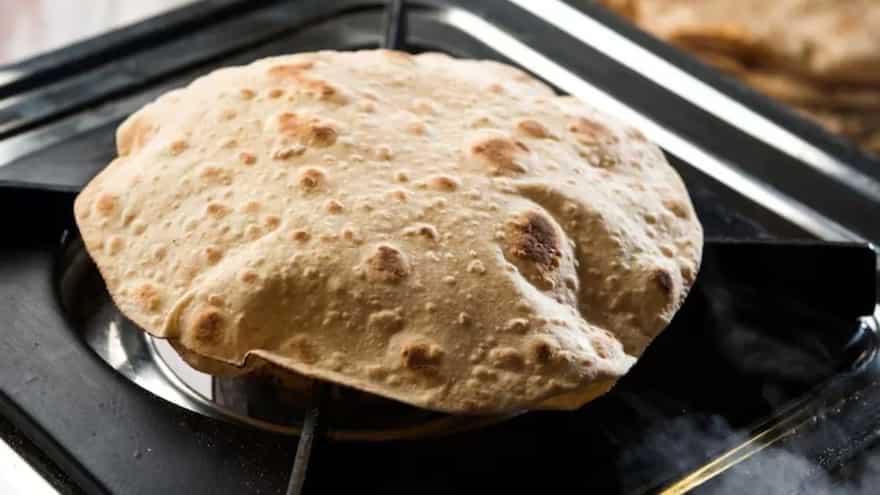
Sometimes the dough is kneaded fine, but that tawa can ruin the rotis. Cooking the rotis on full flame to feel warm will end up in overcooking the rotis. Too low heat will dry out the rotis slowly, too high heat will deliver brown spots while the inside hardens. Keep the flame medium-high, and the roti will get light bubbles quickly, then puff on direct flame or high heat. Take it off as soon as brown spots begin to appear; don’t keep it crisping more. Over-roasted rotis turn hard in just minutes, no matter how perfectly the dough was kneaded.
(Image credit: Freepik)




