Share
Share

Soya chunks are dehydrated spheres made from defatted soy flour, shaped into small nuggets that soften when soaked in hot water. They have a chewy bite once rehydrated, which is why many home cooks use them as a practical replacement when vegetables or meat are limited. Their neutral taste means they do not carry any noticeable flavour on their own, so they rely completely on the flavours of the dishes they are added to. This quality makes them useful in soups because they absorb the seasoning and moisture, allowing the broth to stay balanced without overpowering a particular element.
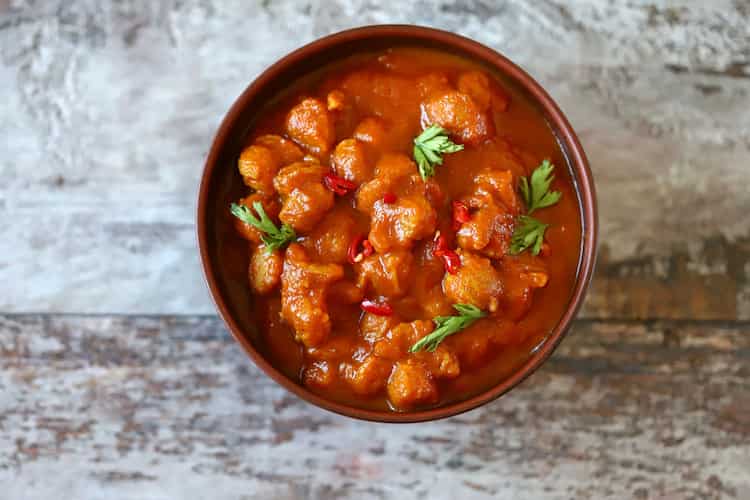
(Image Credits: Adobe Stock)
Preparing them is also straightforward. Hot water softens them in a few minutes, after which the excess liquid can be squeezed out to remove any residual raw smell. Once prepared, they can go directly into clear broths or thicker soup bases. The softened texture holds up during simmering, so the soup does not turn mushy even if cooked a little longer. This makes soya chunks suitable for almost any recipe that needs body or volume without altering the core method.
1. Sauté Rehydrated Chunks To Remove Raw Taste
Sautéing rehydrated soya chunks before adding them to soup helps create a cleaner flavour foundation because the brief heat exposure drives out the mild raw smell that sometimes remains after soaking. This step also helps the outer layer firm up slightly so the chunks hold their shape during simmering without turning too soft. When sautéed in a neutral pan, they develop a subtle roasted surface that blends better into savoury broths, especially those that rely on gentle seasoning rather than strong aromatics. This method works for clear soups and thicker ones because it prepares the chunks to absorb flavour more evenly once they enter the pot. It also reduces the chance of the broth picking up any unwanted bitterness.
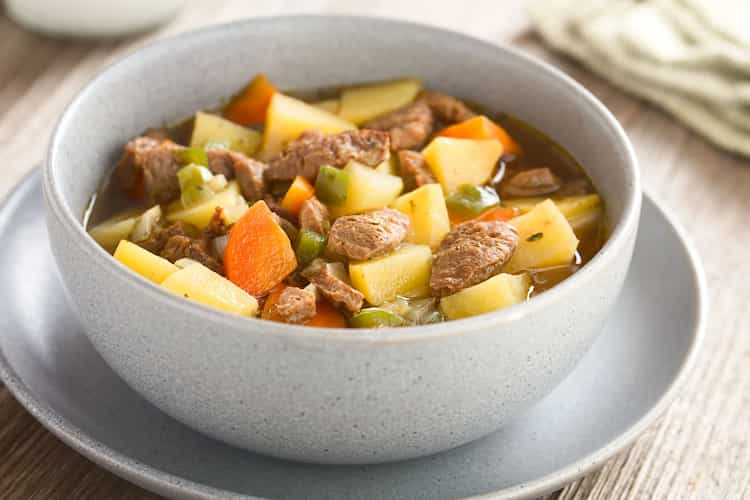
(Image Credits: Adobe Stock)
2. Pulse Into Coarse Crumble For Thicker Soups
Pulsing rehydrated soya chunks for a few seconds helps transform them into a coarse crumble that works well for thicker or cream-style soups. This texture blends smoothly into the base without standing out as large pieces, which is helpful when the goal is to introduce texture. The crumble behaves like a thickener because it absorbs liquid quickly while maintaining structural integrity, giving the soup a steady body without needing additional binders. This technique helps recipes where you want extra richness but not heaviness. It also prevents the soup from feeling too chunky while still offering a satisfying bite. The mild flavour of soya crumble allows it to adapt easily to different profiles, whether vegetable-based or dairy-based. Adding it early in the simmer helps it soften evenly and settle into the soup, making it feel naturally incorporated rather than a separate component.
3. Deep-Frying Soya Chunks For Crisp Texture
Deep-frying rehydrated soya chunks introduces a firm, crisp exterior that holds up impressively in thicker, richer soups. Once the chunks are soaked, squeezed and dried well, a quick fry gives them a golden surface that resists sogginess even during extended simmering. The heat transforms their spongy texture into something more structured, allowing them to stay separate instead of blending into the broth. This method works especially well for soups that feature robust flavours because the fried surface absorbs liquid slowly, giving the chunks a layered bite that transitions from crisp to tender. It also prevents breakage, which is common when soft chunks are stirred repeatedly.
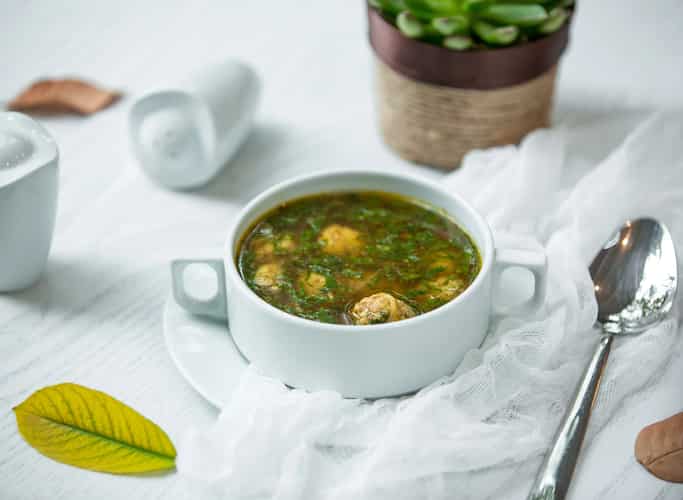
(Image Credits: Adobe Stock)
4. Rinse After Soaking To Maintain Clarity In Delicate Broths
Rinsing soya chunks after soaking helps remove the slight foam and residue that develops during rehydration, which is important for maintaining clarity in delicate broth-based soups. This step prevents the liquid from turning murky, especially when the soup relies on a clear visual presentation. Rinsing also ensures that the chunks integrate into the broth without adding any unintended flavours from the soaking water. For soups that highlight subtle seasoning, a clean base matters because even small impurities can disrupt the final taste. Removing excess starch-like residue allows the broth to stay light, and the chunks absorb the intended flavour more directly.
5. Marinate Rehydrated Chunks In Soup Seasoning For Deeper Flavour
Marinating rehydrated soya chunks in a small portion of the soup’s seasoning helps the flavour reach the centre of each piece, preventing a bland middle when eating. Since soya chunks naturally have a neutral profile, giving them a short pre-seasoning stage improves how they perform in broth-based dishes. This method works well for soups that rely on balanced layers, because the chunks carry the same flavour intensity as the liquid rather than standing out separately. A brief marin