


 Share
Share

Navigating the daily demands of cooking can feel like a balancing act, especially when you are trying to recreate traditional textures without spending hours at the kitchen counter. While many households are used to using separate appliances for different tasks, a high-performance machine like the Usha Blender Heater can easily streamline your entire culinary routine. This versatile gadget is not just for cooking hot soups or blending morning smoothies, it also excels at managing the heavy lifting of both dry and wet grinding. Understanding how to utilise its high-torque motor and speed settings can completely change how you approach daily meal prep, allowing you to whip up fresh spice blends and smooth batters with minimal effort.
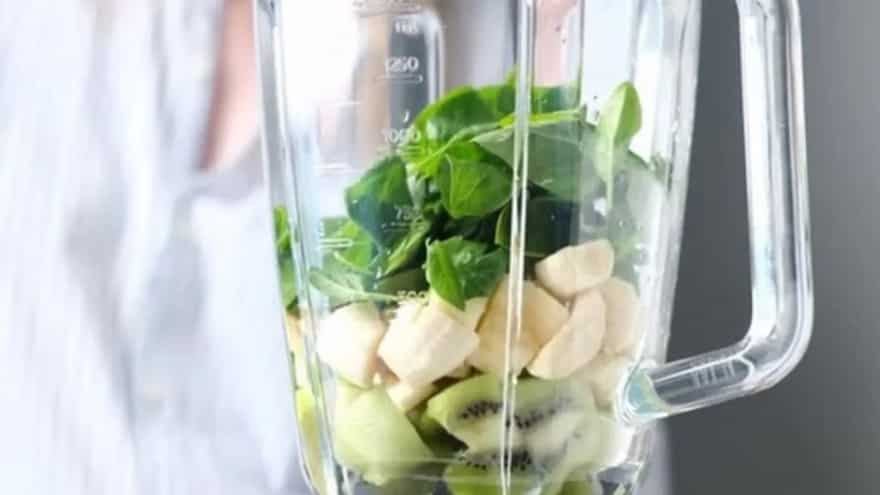
Image credit: Adobe Stock
Toast Your Spices Before Dry Grinding
Creating a deeply fragrant garam masala or sambar powder depends heavily on how you prepare your ingredients before they ever touch the blades. Tossing your whole spices in a dry pan over low heat for a couple of minutes coaxes out their natural oils and makes them incredibly brittle. Letting them cool completely down to room temperature is the real secret here, because grinding warm spices releases moisture that causes the powder to clump together in a sticky mess. Once the spices are cool and dry, running a short, high-speed cycle allows the sharp blades to cleanly snap the brittle seeds into a perfectly fine, free-flowing powder that stores beautifully for weeks.
If you don’t have Usha’s Blender Heater, Shop Now
Use The Pulse Setting For Rustic Wet Pastes
When you are making a thick ginger-garlic paste or a coarse coconut masala for a rich gravy, running a continuous blending cycle can easily overprocess your ingredients into a watery liquid. To maintain that classic, stone-ground texture that catches flavours perfectly in a curry, you should lean heavily on the manual pulse function. Operating the machine in short, three-second bursts forces the large chunks of food to fall back down into the path of the blades rather than getting stuck on the sides of the jar. This deliberate pausing gives you complete control over the final texture, ensuring your pastes remain wonderfully thick and rustic without needing to add extra water that dilutes the overall flavour.
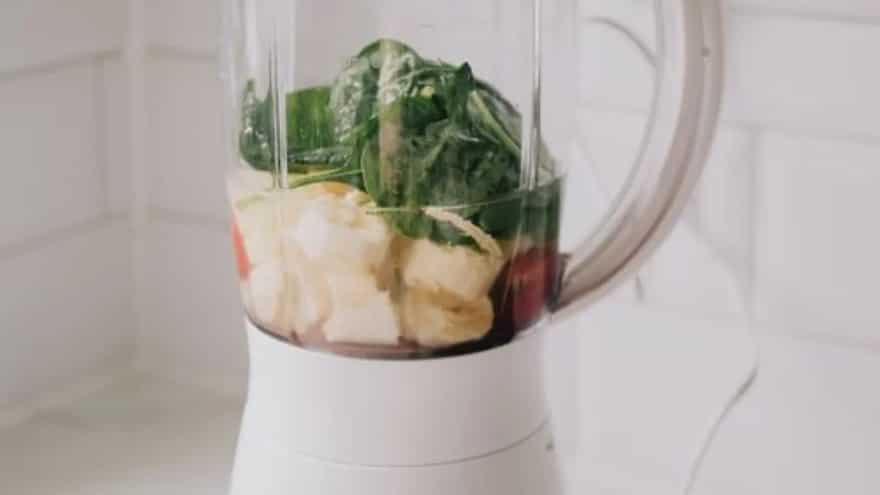
Image credit: Pexels
Control The Water Ratio For Smooth Batters
Tackling a smooth batter for idlis or dosas requires a delicate balance of moisture to keep the motor running smoothly without thinning out the mixture too much. Start by adding your soaked lentils or rice to the jar along with just a few tablespoons of ice-cold water, which helps keep the internal temperature low during intensive processing. If the mixture stops moving in a vortex, resist the urge to pour in a large glass of water all at once, and instead add it just a single tablespoon at a time through the lid cap. This incremental approach forces the blades to continuously shear the grains down to a microscopic scale, yielding a thick, airy batter that ferments beautifully.

Image credit: Pexels
Take Advantage Of The Built-In Heat For Quick Chutneys
One of the most unique advantages of using an advanced heating blender for your wet grinding needs is the ability to gently bloom your ingredients directly in the jar. For a comforting tomato-onion chutney or a rich peanut dip, you can use the low-heat warming function to soften the raw aromatics right before you begin the blending process. This gentle thermal action breaks down the harsh, pungent bite of raw garlic and onions while encouraging the natural sugars to caramelise slightly. Once the ingredients are tender, transitioning straight into a quick blending cycle creates a warm, velvety chutney with a deeply developed flavour profile, saving you from dirtying an extra frying pan on the stove.




