


 Share
Share

Sleep is not just about taking rest, but it quietly shapes how your body feels, thinks, and functions throughout the day. When sleep is troubled, it affects everything, right from mood and concentration to digestion and overall well-being. Research shows that sleep disorders are increasingly becoming common among millions struggling to fall asleep or stay asleep without getting disturbed.
In the search for better sleep, many people look for quick fixes, but natural, food-based techniques are slowly getting attention. Some natural herbs, particularly when used in simple, everyday methods such as teas or warm drinks, can help the body unwind without feeling heavy or forced. Unlike the medication, they are gentle on the body system and support the body’s natural beat rather than overruling it.
In case you are also looking to improve sleep through what you eat and drink, trying these natural herbs can be a good start. Also, you do not need to make any lifestyle changes, but simply add to your existing routine.
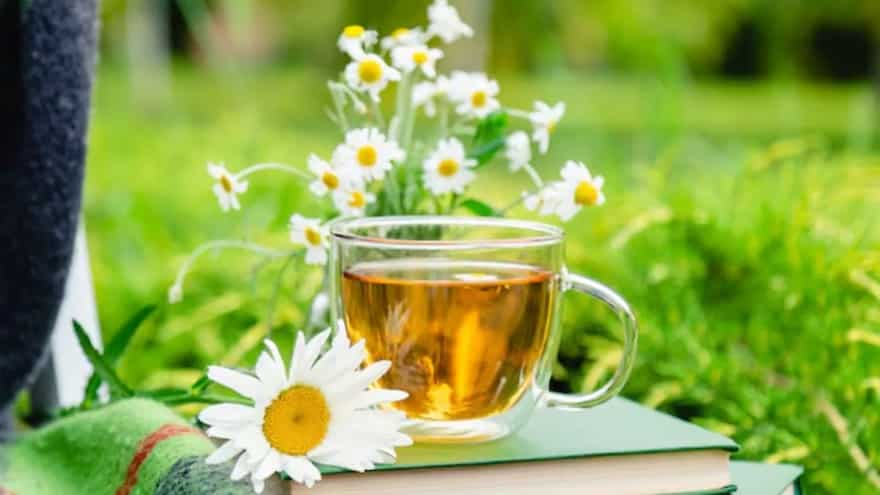
Chamomile
It's a no-hidden fact that chamomile is the most common herb that is used for relaxation, and many often consume it as a bedtime tea. It gets its calming effect from compounds such as apigenin, which interact with brain receptors that are linked to sleep. What makes chamomile function well is its mild taste, as it does not feel too heavy and gently signals the body to wind down. The taste is light, slightly floral, making it easy to sip.
How To Use: Simply brew chamomile tea and sip half an hour before going to bed, or add it to a glass of warm milk for a more comforting, sleep-friendly drink.
(Image credit: Freepik)
Ashwagandha
Ashwagandha is a herb widely used in Indian households, particularly well-known for managing stress. Since high stress levels have a direct interference with sleep, this herb works in an indirect manner by calming down the body. A study reveals that ashwagandha can improve sleep quality and duration, especially in people who have insomnia. It has a slightly earthy flavour that blends well with milk-based drinks.
How To Use: Stir a small amount of ashwagandha powder in a glass of warm milk at night. You can also pair it with a pinch of nutmeg or turmeric to enhance its taste.
Tulsi (Holy Basil)
Tulsi is deeply embedded in Indian tradition and is also often consumed by mixing in tea. It is known for balancing the stress levels and assisting the body in adapting, which can naturally support a better sleep cycle. A study reveals that tulsi, particularly when mixed with chamomile, improves sleep quality and reduces insomnia symptoms. Its flavour is slightly peppery and also refreshing.
How To Use: Boil some fresh or dried tulsi leaves in a vessel to make tea, or mix them with chamomile to make a soothing drink.
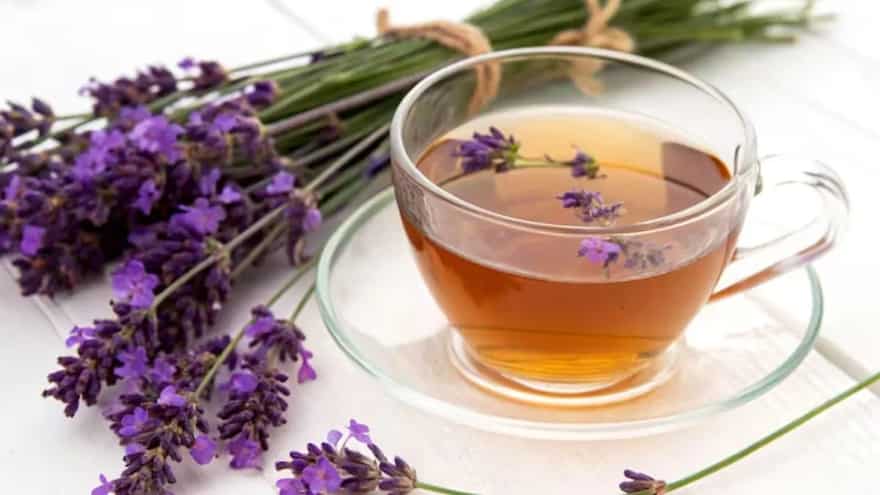
Lavender
Lavender is generally known for its fragrance, but it can also be consumed in gentle forms such as teas or infused drinks. It works by stimulating relaxation and reducing restlessness, which helps the body shift into sleep. It has a floral and light taste and pairs well with other herbs.
How To Use: Add some dried lavender buds to the herbal teas or infuse them lightly in warm water with a drizzle of honey to make a relaxing bedtime drink.
(Image credit: Freepik)
Lemon Balm
Lemon balm, a member of the mint family, has a light calming effect and is often used to relieve anxiety and restlessness. It helps in reducing relaxation by controlling brain chemicals that are linked to calmness, making it easy to fall asleep. It has a citrusy flavour, which makes it refreshing rather than too heavy.
How To Use: Brew some lemon balm tea on its own or mix it with some green tea (low caffeine) early in the evening to get maximum benefits.
Passionflower
Passionflower is less common in everyday Indian kitchens but is increasingly getting used in herbal teas. It helps relax a racing mind, which is often one of the major barriers to falling asleep. The flavour can be new to the palate, but the benefits are long-lasting. The taste is light, so you can easily mix it with other herbs.
How To Use: Drink passionflower tea in the evening or mix it with chamomile or tulsi for a more balanced, sleep-friendly drink.




