


 Share
Share

Festivals have a funny way of defaulting to the same desserts every single year. You know what's coming before it even arrives — the same mithai box, the same flavours, the same slightly-too-sweet aftertaste. Paryushan is one of the most meaningful times in the Jain calendar, a period of reflection, fasting, and simplicity. So maybe it's also the right time to bring something a little different to the table. Warm and nourishing halwa fits beautifully into the spirit of the festival, and there are far more varieties worth exploring than most people realise.
What Makes Halwa A Good Sweet To Explore During Paryushan?
Halwa is made from simple, wholesome ingredients like grains, lentils, nuts, or vegetables cooked low and slow with ghee and sugar. No eggs, no meat, no root vegetables like onion or garlic. Most halwa varieties are naturally Paryushan-friendly, which makes them an easy choice for observers who are careful about what they eat during these eight days. There's also something grounding about halwa. It's warm, filling, and made with intention — which feels right for a festival centred on mindfulness.
Six Halwa Varieties To Try This Paryushan
Badam Sheera
Made from almond flour or soaked and ground almonds, ghee, milk, and sugar, badam sheera is rich without being heavy. It's naturally protein-dense and genuinely satisfying in small portions. A little saffron stirred in goes a long way. For those who aren’t fasting can pair this halwa with a cup of masala chai.
Moong Dal Halwa
Source: Pexels
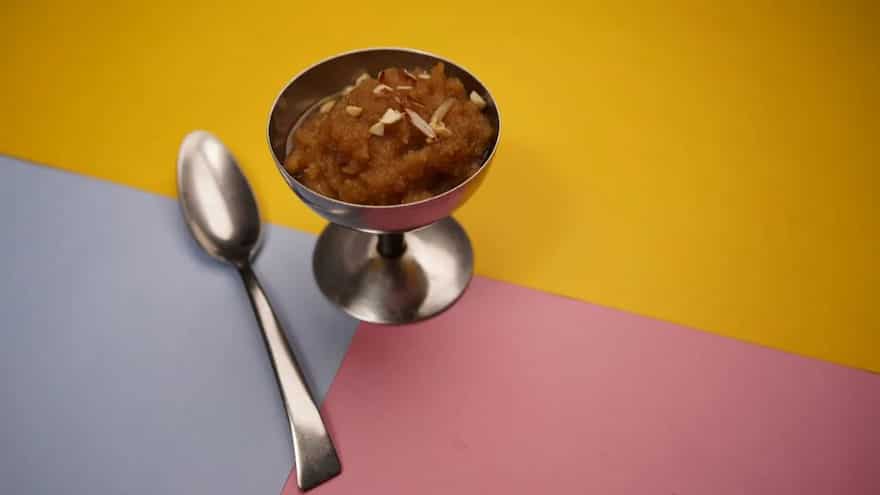
This one takes patience — soaked yellow moong dal is ground and cooked slowly in ghee until golden and fragrant. The result is deeply nutty and almost caramel-like. It's a Rajasthani classic that feels celebratory without being fussy. Traditionally, it’s the star of winter gatherings, but perfectly suitable to cook during the Paryushan season.
Besan Halwa
Chickpea or gram flour, when cooked gently in ghee, leaves a wonderful nuttiness. Add some milk, sugar and cardamom and you get something that tastes unexpectedly rich and simple. And it’s one of the fastest types of halwa to make during Paryushan. Whether you eat it hot from the pan or sneak a spoonful cold the next day, this halwa never disappoints.
Sooji Halwa
Probably the most famous of the bunch! Semolina cooked in ghee with sugar and milk, generally garnished with cashews and raisins. It comes together in less than 20 minutes and is always a comforting dessert. The secret to an excellent sooji halwa is to get the ratio of ghee to semolina perfect. Served at festivals and family gatherings alike, it’s a warm and nostalgic hug in a bowl.
Aate Ka Halwa
Source: Magnific
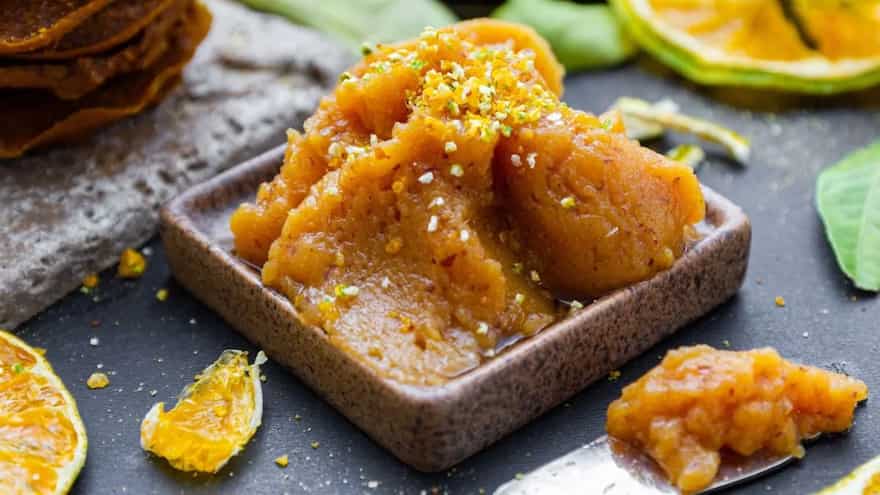
To make this, you'll need whole wheat flour, some ghee, water, and sugar. Roast it till it gets a toasty brown hue. It really is as easy as it sounds. However, with proper roasting, it has a toasted, almost biscuit-like flavour that is quite irresistible. Every family seems to have their own twist like some add a sprinkle of slivered almonds, others use crushed cardamom for depth.
Coconut Halwa (Kopra Pak)
Source: Pexels
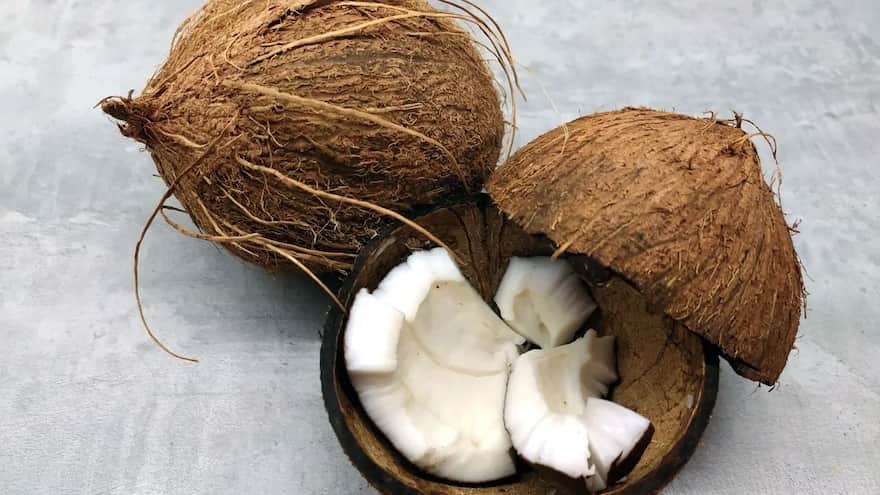
This halwa is made of grated coconut (either fresh or dried), sugar, and a little ghee and is heated until it combines into a smooth, somewhat chewy consistency. When a few cardamom pods, it becomes aromatic and somewhat sweet. It’s also a favourite for gifting, wrapped in little squares and shared with friends and neighbours during the festive season.
What To Keep In Mind When Making Sweets During Paryushan?
You should only use items allowed by Paryushan guidelines — do not use root vegetables and be careful about foods with water if you are keeping stricter fasts. Use high-quality ghee and dry fruits.




