


 Share
Share

When the Condé Nast Traveller x District Top Restaurant Awards for 2026 were unveiled, the headline grabber was undeniable. NAAR, chef Prateek Sadhu's Himalayan dining project perched in Kasauli, clinched the coveted number one spot in India. It is a triumphant moment for forage-forward, high-altitude gastronomy, showcasing wild Himalayan pine, sea buckthorn, and hyper-local mountain produce. Following closely were Mumbai mainstays The Table at number two and Papa's at number three, with Bengaluru's FarmLore claiming fourth place. Yet, once you look past the misty romance of the pine trees, the remaining forty-five spots on the list reveal a geography lesson that feels suspiciously narrow.

Image credit: Naar
A quick tally of the results shows that Mumbai and Goa captured thirteen spots each. Together, these two coastal playgrounds claimed twenty-six out of the fifty available rankings. Over half of the entire list was effectively partitioned between the boutique dining rooms of South Bombay and Bandra, and the palm-fringed, sun-dappled villas of Assagao and Siolim. It appears the national jury believes the culinary heart of India begins at a Bandra cocktail lounge and terminates neatly at a Goa beach bar, with a brief layover in Kasauli for aesthetic contrast. Meanwhile, Bengaluru snatched six spots, and Chennai gathered four, leaving the rest of a massive, multi-culinary subcontinent to fight over the remaining crumbs.
The Capital Punishment Of Delhi NCR And The Punjab Ghosting
What makes this coastal obsession so jarring is the breathtaking neglect suffered by the rest of the country, starting with the national capital territory. Delhi NCR, a sprawling metropolis whose historical dining culture, ancient kebab alleys, and progressive modern Indian kitchens have defined the national palate for decades, was handed a paltry total of four entries. New Delhi proper secured a mere three spots, with Gurugram collecting a single solitary token. For a region that practically invented modern Indian fine dining, watching its representation shrink to a negligible rounding error feels less like an objective audit and more like a deliberate snub.
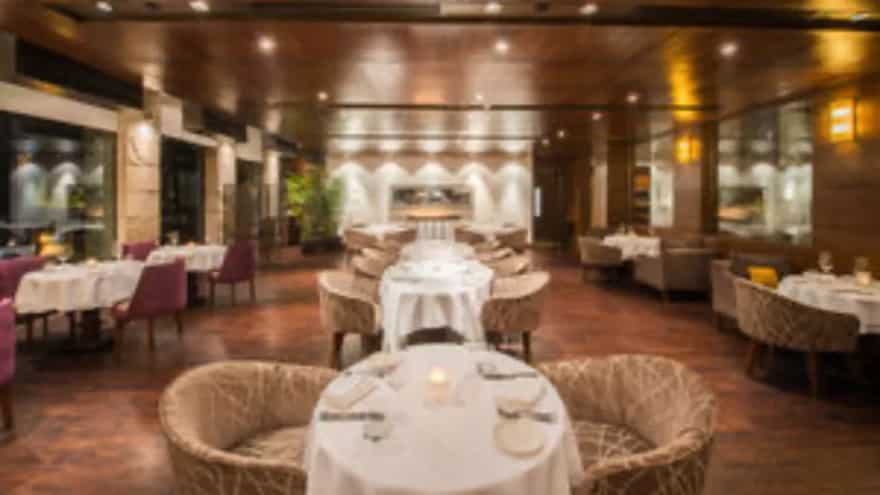
Image credit: Indian Accent, The Leela
Even more mystifying is the total ghosting of Punjab. Neither Chandigarh nor Amritsar made a single appearance on the roster. In the eyes of the editorial board, the entire agrarian spine of North India, home to centuries of refined tandoori technique, seasonal farm produce, and rich culinary heritage, does not contain a single restaurant worthy of top-fifty status.The rich brass handis of Punjab and the delicate nuances of street culinary mastery were simply left off the map entirely.
Token Crumbs for Kolkata And The Absolute Erasure Of Pune
Moving further east, Kolkata did manage to break into the top five thanks to Sienna Store & Cafe taking the number five spot. Yet, across the rest of the list, Kolkata received only four entries in total. Giving four spots to a historic food capital that pioneered Bengal's intricate seafood culture, British-era tearooms, and vibrant street-food refinement feels like tossing a bone to appease the eastern seaboard. Interestingly, Meghalaya's Shillong managed to secure two spots with Rynsan and Nonna Mei, a welcome nod to Northeast flavours, which makes the exclusion of other major food hubs even more stark.

Image credit: Sienna Calcutta
Over in Maharashtra, Pune was wiped off the map completely. Zero entries. Not a single restaurant in Pune, a city celebrated for its booming artisanal cafe culture, progressive gastronomy, and rich regional Maharashtrian revivalists, managed to catch the eye of the voting panel. Hyderabad fared only marginally better, receiving just one solitary spot for Theta Theta Telugu, representing a city whose royal Nizami heritage and explosive contemporary dining scene draw food lovers from around the globe. When a major metropolitan centre with millions of discerning diners is reduced to a single entry or complete non-existence, the credibility of the selection process begins to fray around the edges.
The PR Machinery And The Aesthetics Of Elite Dining
How does a supposedly national list become so severely skewed? The answer lies in the insular echo chamber of luxury lifestyle journalism and metropolitan PR networks. Top restaurant juries are invariably composed of well-heeled urbanites, food writers, and hospitality insiders whose personal travel schedules revolve around weekend escapes to Goa and weeknight dinners in Bandra or Indiranagar.
Furthermore, large hospitality groups with sophisticated marketing budgets have mastered the art of jury cultivation. They know precisely how to pitch chef narratives, host exclusive tasting previews, and design spaces optimised for natural lighting and social media aestheticisation. A third-generation family institution in Amritsar or a neighbourhood powerhouse in Pune, regardless of how extraordinary the food might be, simply lacks the dedicated publicity machinery required to land on the radar of a Mumbai-centric editorial board. Sourdough crumpets with truffled butter and natural wine pairings will almost always win out over decades of perfected regional craftsmanship if the jury never steps foot outside their comfortable flight routes.
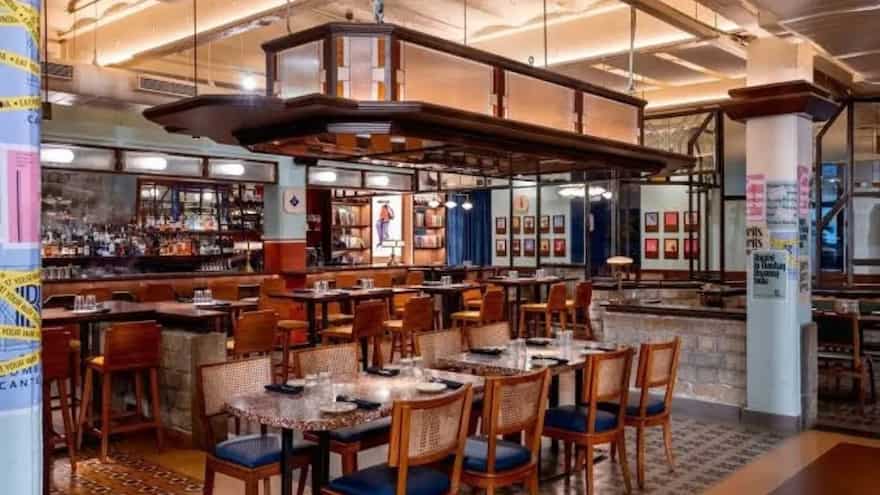
Image credit: The Bombay Canteen
Reclaiming The Truth About Indian Culinary Excellence
If national restaurant awards wish to retain genuine authority rather than devolving into glorified travel brochures for wealthy city dwellers, they must dismantle this geographic myopia. India is a vast, wildly diverse culinary landscape where extraordinary cooking thrives in bustling bazaar alleys, historic hill towns, regional heartlands, and neighbourhood bistros alike.
A true celebration of Indian dining should reflect the full breadth of the nation, rather than rewarding the same cluster of urban elites and coastal vacation haunts. Until jury panels step outside their familiar metropolitan corridors and venture into the deep, rich culinary corners of the country, readers would be wise to take these shiny top fifty lists with a generous pinch of Himalayan pink salt.




