


 Share
Share

Across many regions of North and West India, particularly in Rajasthan, Gujarat, Uttar Pradesh, and Madhya Pradesh, Shitala Ashtami is celebrated with a unique food tradition that sets it apart from other Hindu festivals. Unlike at other festivals, where fresh food and an elaborate food menu are the highlight of the day, this festival follows the opposite rule, i.e., no food is cooked on the day itself. Instead, families make the entire meal the night before and eat it the next day without even reheating it. This tradition is widely and commonly known as “Basoda” or “Basiyora,” a term that is used for food that has been cooked a day before and kept to rest overnight.
This festival honours Goddess Shitala, a deity who is believed to protect from all the seasonal illnesses and infections. Over generations, rituals around Shitala Ashtami have interlinked religious faith with practical knowledge. From cleaning kitchens to making foods that stay fresh even the day after, the day reflects an intersection of faith, food practices, and seasonal awareness that has persisted in Indian households for decades.
Why Is Stale Or Cold Food Eaten On Shitala Ashtami?
The tradition of eating cold or stale food during Shitala Ashtami is closely knitted with Goddess Shitala herself. The name “Shitala” literally refers to "shital", which means cooling or one who gives calmness. Going by the belief, the goddess is linked with reducing heat-related illnesses and communicable diseases of the season that once circulated widely during the seasonal changes.
To honour this cooling element, devotees avoid burning the stove or cooking on this festival. Instead, foods prepared the night before are offered to the goddess as bhog and consumed as prasad, which is traditionally called the “Basoda” food.
The Cultural And Seasonal Significance Of The Tradition
Beyond just the religious significance, the Basoda practice also shows older seasonal knowledge ingrained in Indian food culture. Shitala Ashtami usually takes place around the time when the winter season slowly fades away and the warmer months begin to appear. During this period, there are chances of outbreaks of infections such as smallpox and seasonal flu. Hence, it is believed that eating cold food will keep the stomach cool and protected from such illnesses.
The foods prepared for Basoda are also carefully thought out. Most dishes are fried, sweet, or are dry in preparations that maintain flavour and texture even when eaten the next day.
Foods Traditionally Prepared on Shitala Ashtami
Here are some traditional foods that are commonly prepared as bhog for Shitala Ashtami, as they remain fresh even the day after:
Puri
Puri is one of the most essential food items prepared for Basoda. It is ideal for the day as it remains soft even after several hours. The dough is prepared with wheat flour, salt, and sometimes a bit of semolina for crispness. Once fried, puris are stored overnight and eaten the next day with aloo sabji, pickles, or other dry vegetable dishes. Because puris do not get spoiled so easily and maintain their taste even when cold, they perfectly fit the ritual.
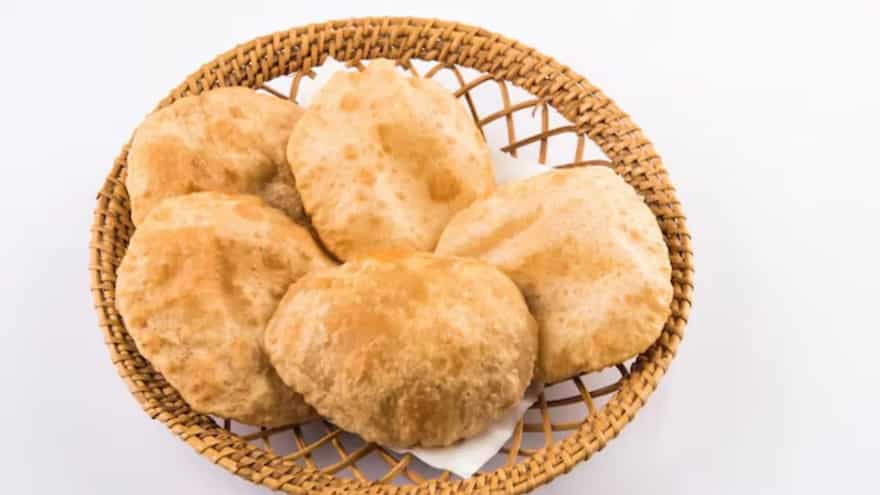
(Image credit: Freepik)
Meethe Chawal
Sweet rice, prepared by flavouring it with jaggery or sugar, is another traditional dish prepared a day before the festival. The rice is cooked with cardamom, a hint of saffron, and sometimes raisins and nuts. The mild sweetness and fragrant spices make it comforting even when eaten cold. In many homes, sweet rice is also part of bhog to Goddess Shitala, representing prosperity and blessings for the family.
Besan Gatta Or Gatte Ki Sabzi (Dry Version)
In Rajasthan, particularly, gatte ki sabzi is often prepared on this day, but in a dry form rather than a curry, so that it remains well overnight and the next day. The nutty flavour of roasted gram flour and light spices makes it enjoyable without having the need to reheat it. This dish is paired with puris as part of the Basoda meal.
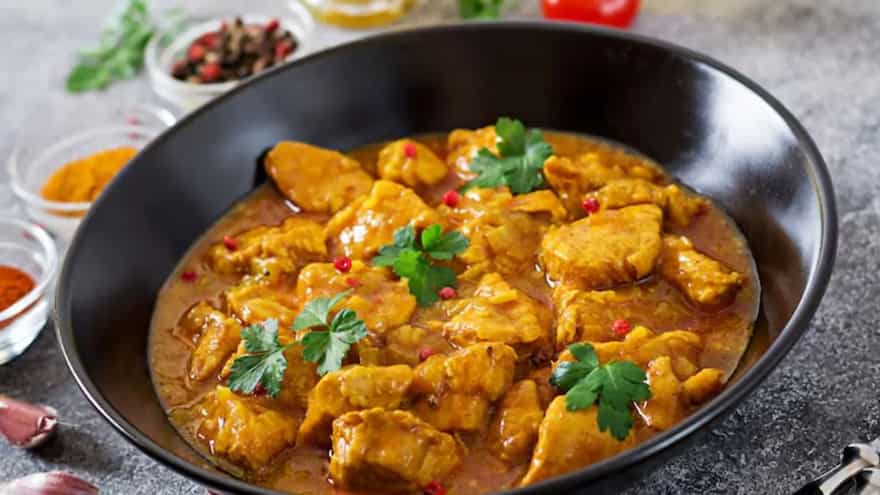
(Image credit: Freepik)
Kheer
Rice kheer is a common festive dessert across India, and it is also prepared as part of bhog for Shitala Ashtami in several regions. Once cooled and kept in the refrigerator overnight, the kheer thickens a bit, developing a richer texture and taste. The chilled dessert fits in perfectly with the festival’s focus on cooling foods and calmness.
Gulgule
Gulgule are traditionally prepared with wheat flour, jaggery, and fennel seeds, deep-fried until they turn golden and lightly crisp on the outside while being soft inside. They taste pleasing even when eaten cold. The jaggery offers it a sweetness, whereas fennel seeds add a light aroma. Gulgule are offered to Goddess Shitala along with other Basoda bhog and are enjoyed as a festive snack with puri or on their own.

(Image credit: WikkiMedia Commons)




