Share


Every November, the wild Himalayan cherry turns Shillong pink while the rest of India is reaching for a sweater. The Shillong Cherry Blossom Festival was first held in 2016 by the Government of Meghalaya to celebrate that autumn bloom, and it is often called the only autumn cherry blossom festival in the world. The 2026 edition runs on Friday 20 and Saturday 21 November at the New Shillong Highland Grounds, a new permanent home after earlier years at the Polo Grounds. The headlines will go to the international names on the stage. The better story is on the plates. Meghalaya cooks around pork, rice, bamboo and sesame, and the festival grounds have long carried Khasi, Garo and Naga stalls alongside Japanese, Korean and Thai kitchens, local wine and homegrown coffee. Recent editions have also added a Japan Zone with Japanese food stalls, a nod to the city's growing friendship with Japan. Eat first, then find your spot near the speakers. Give the blossoms their own hour as well. The trees line Ward's Lake, the Polo Grounds and the Shillong Golf Course, and a slow morning walk under them makes the first plate of jadoh taste even better.
 Image credit: Wiki
Khasi Food To Order First: Jadoh, Dohneiiong And Putharo
Meghalaya has three tribal belts, Garo, Jaintia and Khasi, and pork and rice anchor the table in all of them. Begin with jadoh, the dish most people mean when they say Khasi food. It is traditionally served at family gatherings and festivals, which makes it a fitting order here. Red rice is cooked together with meat, traditionally pork along with its fat and blood, which gives the grains their deep colour. Turmeric and bay leaf sit in the background, and the bowl is finished with ginger and herbs. Think of it as a meatier cousin of pulao. Chicken and fish versions exist too.
Ask for dohneiiong beside it. Pork is slow cooked in a gravy of ground black sesame, dark and nutty, and it is the natural partner for jadoh or plain rice. For something lighter, look for doh khlieh, a salad of boiled pork with raw onion, ginger and chilli. It is often not on display, so you may have to ask. Putharo, a steamed rice pancake, is made for mopping up gravies.
Pork is not for everyone, and vegetarian food is easier to find across the state than most visitors expect. Tungrymbai, a fermented soybean preparation cooked with onion, ginger and black sesame, is a plant based place to start, though it is worth asking how it was cooked. Khasi food is gentler on heat than most regional Indian cooking, so keep the green chillies handy.
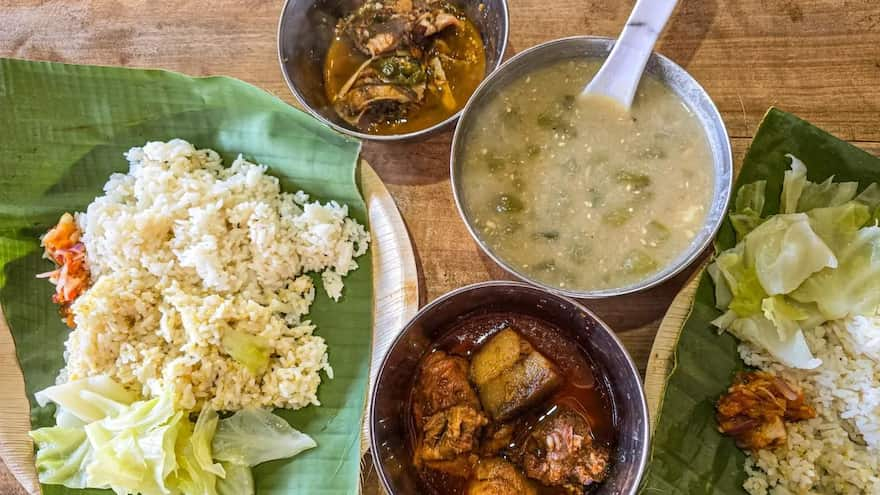 Image credit: Wiki
Smoked, Fermented And Foraged: Flavours For The Adventurous Eater
This is where the cuisine gets its character. Pork is smoked over a wood fire and often cooked down with bamboo shoot, giving a sour, smoky curry that tastes unlike anything from the plains. Tungrymbai ferments in a bamboo basket wrapped in jute for a few days, and its strong aroma divides tables.
Tungtap goes further. Small local fish are sun dried with salt, fermented in earthen pots, then charred and cooked with onions and a generous hand of chillies into a near paste. It is served beside jadoh and it is fiery. Festival stalls here have also sold smoked silkworms, crabs and prawns, a good test of how adventurous the group really is. Take a small portion first and build up from there.
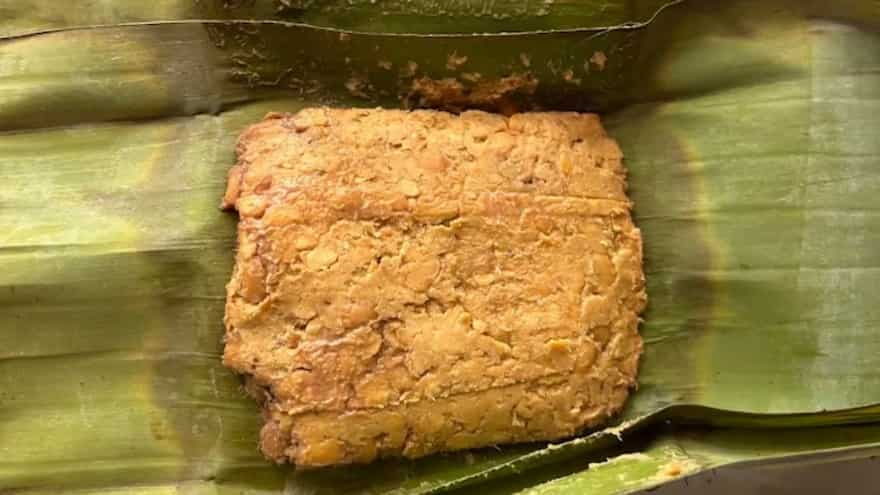 Image credit: Wiki
Pukhlein, Red Tea And Rice Beer: Sweets And Drinks Worth Seeking Out
Pukhlein is a rice and jaggery cake that goes beautifully with a hot cup of tea. Pumaloi, steamed from powdered rice, is mildly sweet and traditionally made for festivals and family gatherings, so it feels right at a celebration like this one. Both are easy to carry around the grounds and good company for a long evening of music.
Tea in Shillong often arrives as sha saw, a red tea brewed without milk. Kyat, the Khasi rice beer, has a place at every wedding and festival, and kwai, betel nut wrapped in paan leaf with lime, is offered as a mark of respect, so accept it with grace even if you only hold it. Meghalaya also makes fruit wines from peach, plum, pineapple and the native black cherry known as sohiong, and the festival has featured local wine and the state's own coffee. Pick up a bottle or a bag to carry home.
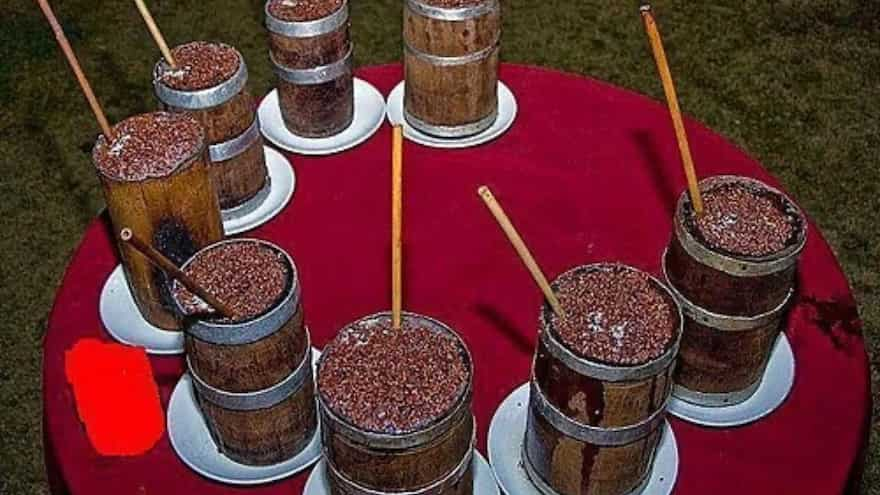 Image credit: Wiki
Where To Eat In Shillong Around The Festival: Lewduh, Kong Shops And Laitumkhrah
Use the daylight hours in town. Iewduh, also called Bara Bazaar, is the city's oldest and largest market, and its food stalls serve red rice with dals, pork curry, fried fish and wild greens. Ja sha shops, which sell rice and tea, line the markets and highways. On the edges of the city, kong shops run mostly by women have no menu at all. You point at dishes on glass shelves, such as smoked pork with bamboo shoot, fish and egg curry, and a plate arrives with rice, dal and chutney.
Around Police Bazar, which sits on Khyndailad, the meeting of nine lanes, you will find street food, cafes and the Indo-Chinese kitchens Shillong has loved for decades. Momos sit on every corner, and Cafe Shillong has long been the place for coffee and the city's rock music. Head to Laitumkhrah for the newer wave. Rynsan, founded by Khasi musician Hammarsing Kharhmar, plates Garo, Khasi and Jaintia food with a modern turn, from crispy bamboo shoots to putharo sliders. Reen's Bakery bakes a Lamington from a recipe a Khasi woman learned from an Australian missionary in the 1960s. Dylan's Cafe keeps the live music going on ordinary nights too. Younger kitchens are playing with local ingredients as well, putting smoked pork on pizza and serving crispy bamboo shoots as a snack, which says a lot about where Shillong food is heading.
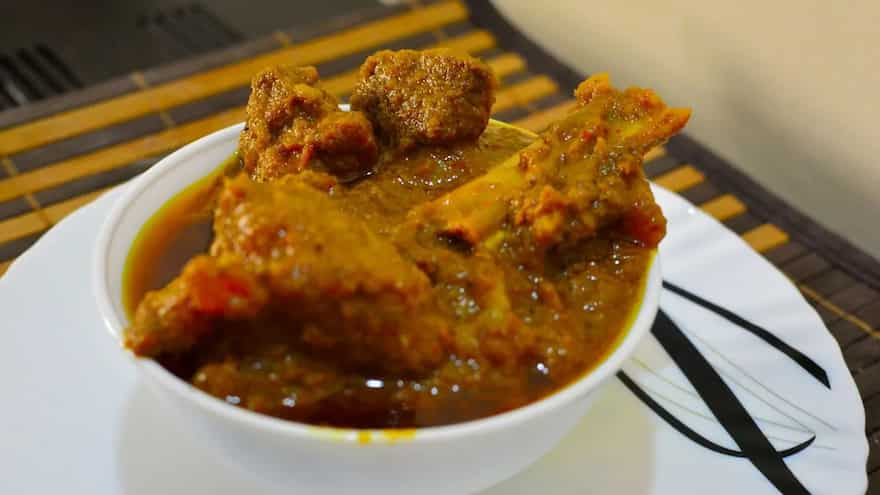 Image credit: Wiki
One planning note. Many small kitchens cook fixed batches that sell out by early afternoon, and several close on Sundays, so do your eating before the weekend ends. The concerts will be loud and memorable, but the meal you talk about on the flight home is likely to be a bowl of red rice eaten on a long wooden bench.