


 Share
Share

On a warm monsoon evening in Pune, The Market at The Westin transformed into a microcosm of India’s Northeast — vibrant, earthy, and full of stories waiting to be told through food. As a part of their effort to highlight the Northeastern community of Pune, The Westin has not only brought a popular chef from the region to capture the essence of the food from the seven states, but also curated cultural highlights that will make your meal memorable. At the helm is Chef Joel Basumatari, one of the most respected culinary ambassadors of Nagaland and the wider Northeast.
This writer attended the preview dinner at The Westin and got a chance to not only savour the delicacies on offer, but also be immersed in the cultural conversations this festival is bound to focus on. With his signature humility and fire, Chef Joel presented a menu that drew from the land, the forests, and the hearths of the Seven Sister States — Assam, Arunachal Pradesh, Manipur, Meghalaya, Mizoram, Nagaland, and Tripura — with each course reflecting a cultural narrative.
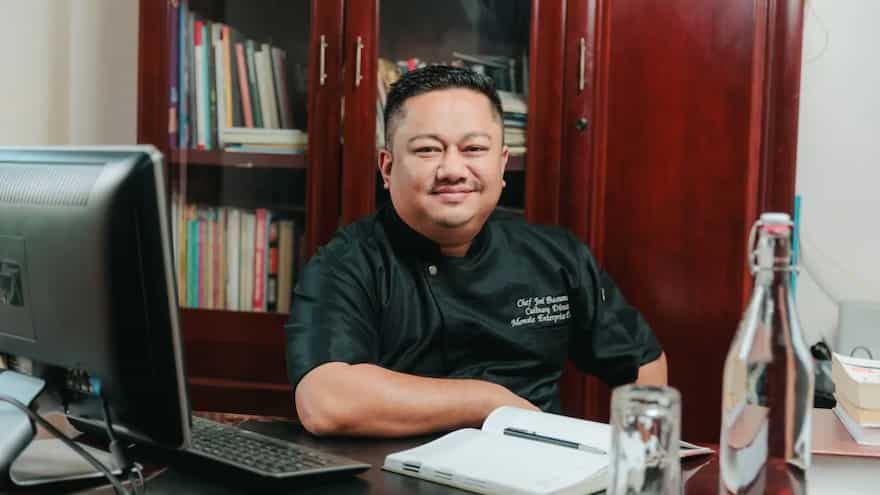
“Events like this and previous ones across India give us confidence that people are more open now to experiment with cuisines and food,” said Chef Joel. “Personally, it’s a way to honour where I come from, and professionally it means our food is finding space on the bigger platforms.”
A Menu That Told Many Stories
The evening began with NSB – Naga Spicy Blend, a fiery introduction that instantly jolted the palate awake, followed by Perilla Paneer Skewers, which paired the smokiness of the grill with the nuttiness of perilla seeds. The Crispy Fried Kholar Beans — a regional heirloom legume — added crunch and history to the table. Meanwhile, Chicken Samathu, a slow-cooked delicacy in local herbs, hinted at the culinary warmth of Naga homes.
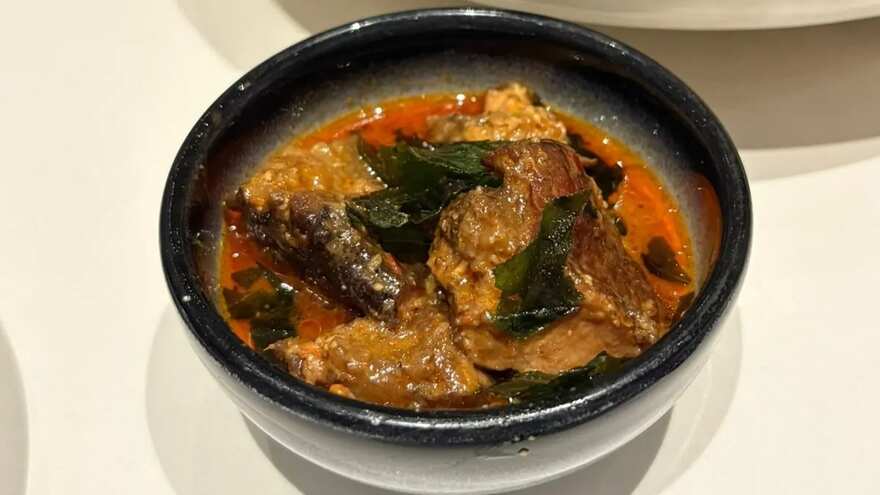
The mains were a curated journey through terroir and technique. Awoshi Kipiki Ngo Axone (smoked pork with fermented soybean) stole the spotlight — smoky, earthy, unapologetically bold. To be fair, Axone (pronounced Akhuni), requires a diner to have a developed palate because of its unique aroma. At our table, only two guests (including this writer) tasted the dish and enjoyed it. “Axone still has a stigma because of the smell, but it’s an important part of our culture,” Chef Joel explained. “That dish always reminds me of a lady in our house who used to cook for us — the aroma would fill the air and we’d know it was a special day.”
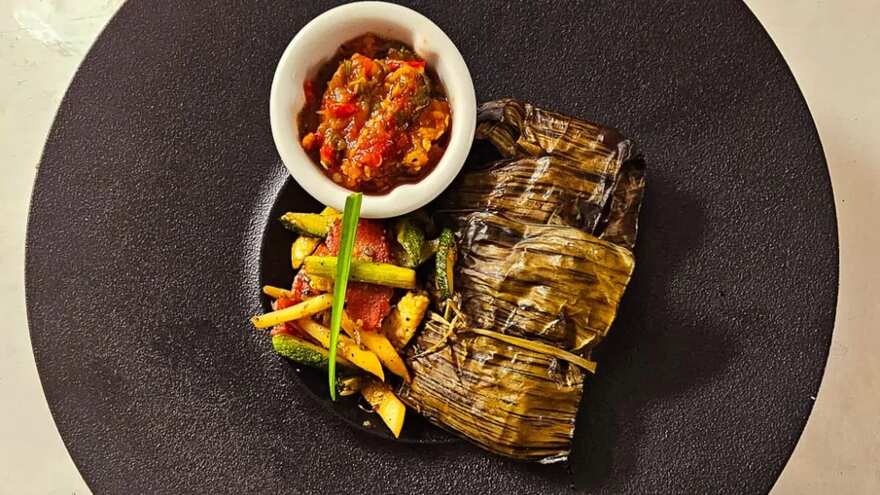
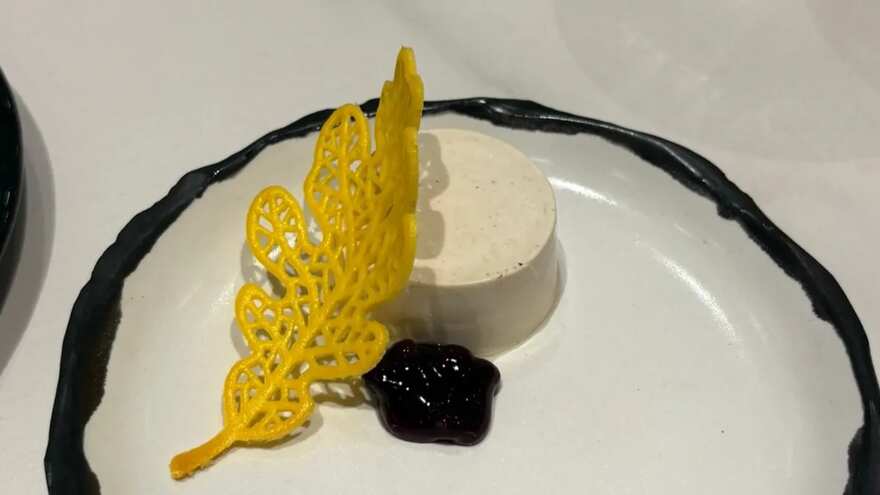
Other dishes on the menu could not steal the thunder of the Axone one, but there sure were some highlights. Fish, gently steamed in banana leaves with bamboo shoot, showcased Manipuri flavours, while the vegetarian offering — Sautéed Veg in Nishi Sauce — highlighted foraged herbs and Arunachali simplicity. The accompanying Steam Mix Rice and Khuvie Tathu balanced out the heat and umami with neutral, soothing grains. Dessert was a revelation — Nagaland Coffee Panna Cotta with Turmeric Tuile — marrying local coffee’s robust bitterness with the warmth of the GI-tagged Lakadong turmeric from Meghalaya. It was a subtle nod to the potential of modern reinterpretation without losing the soul of traditional ingredients.
Honouring Diversity While Representing Unity
The challenge, according to Chef Joel, was to “stay true to your own culinary language while representing a wider region.” His curation didn’t aim for fusion; rather, it spotlighted each state’s unique offering. “The idea is not to present fusion, but to showcase the distinctiveness of each state, all under one roof.”
It’s an approach rooted in respect. While Nagaland’s dishes were centre stage, the chef made room for underrepresented cuisines. “Assamese food has deep roots and a lot of history that many people don’t know about. Manipuri cuisine is full of bold, clean flavours but is still underrepresented nationally.”
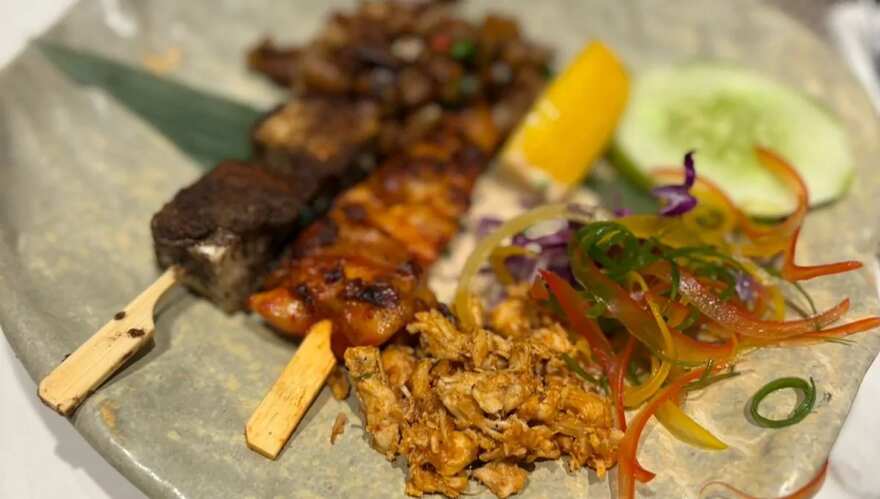
Fermentation, Foraging, And Flavour First
Northeast Indian cuisine is marked by minimalism — no elaborate gravies or spice-heavy bases. “Most Northeast Indian food is either boiled, steamed, or grilled — we use very little oil and almost no heavy frying or baking,” said Chef Joel. “It’s a very ingredient-forward cuisine where freshness and natural flavour take centre stage.”
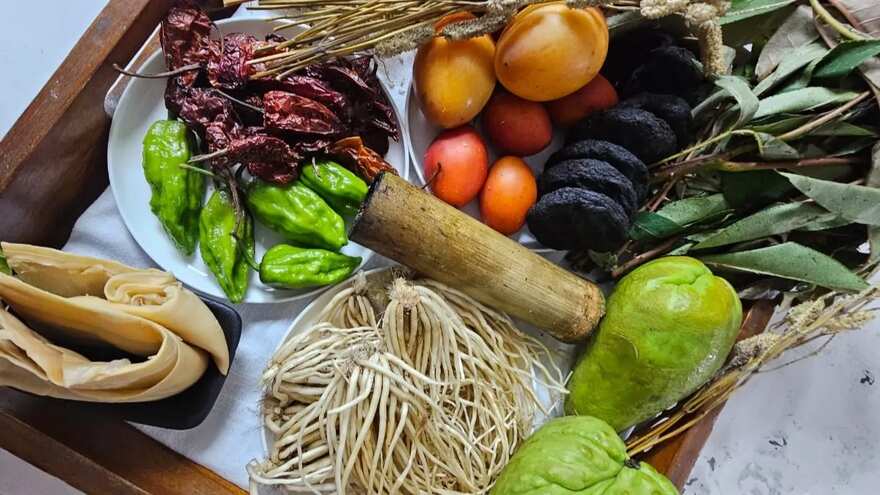
The chef sourced key ingredients directly from the Northeast, working with small farmers and foragers through the Eastern India Culinary Association. “For Pune, I’ve brought in items like Kaji Lemon, Gundruk, Perilla Seeds, Dry Fish, Naga Coffee, Kholar Beans, local cucumbers, and even Himalayan salt,” he shared.
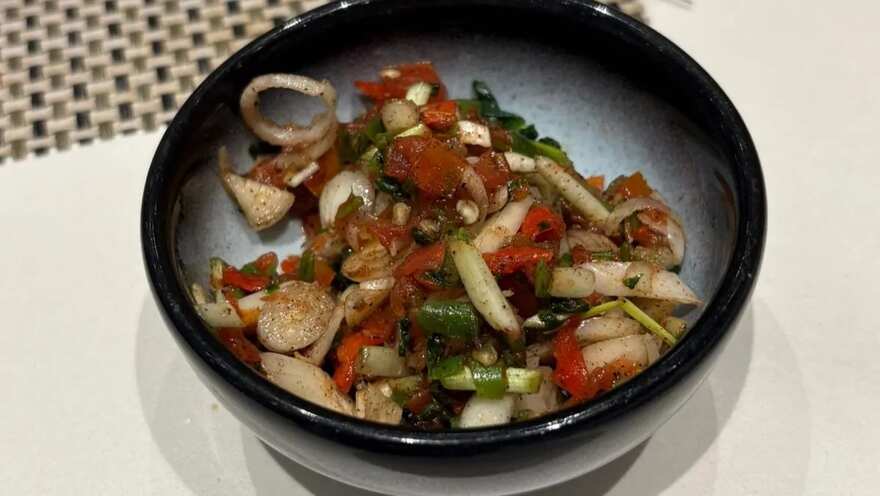
Fermented foods like bamboo shoot and Axone added complex layers to the dishes. “We rely on foraged greens, local herbs, and naturally grown spices — not heavy masalas — so the flavours are earthy, smoky, sometimes sour, and always honest.”
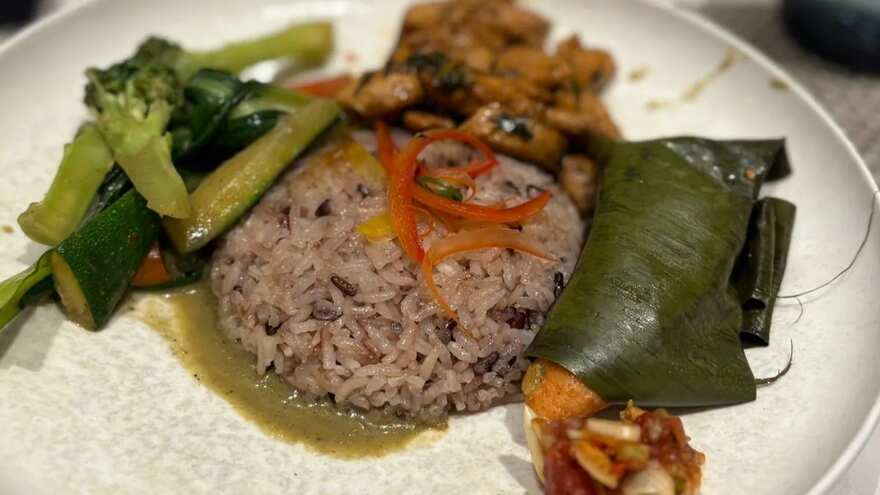
Treading The Tightrope Between Authenticity And Accessibility
Chef Joel admits it’s a balancing act. “I don’t want to dilute the food, but I also want people to enjoy it. I work with a ‘less is more’ mindset — I might tone down a pungent element slightly or change the plating, but the core flavour, the cooking method, stays the same.”
For diners unfamiliar with fermentation or certain tribal preparations, he adds small introductions, bridging the gap between heritage and palate. “Once guests understand what’s on the plate, they usually appreciate it more.”
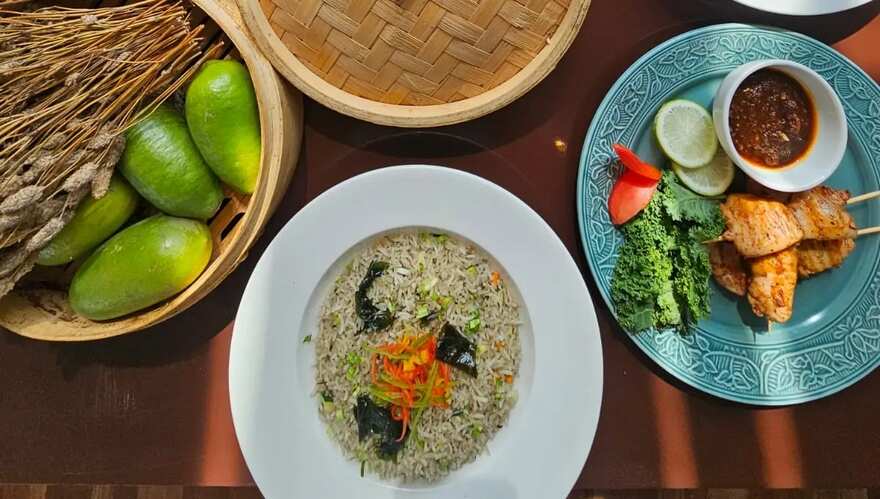
What made the experience truly immersive were the stories woven into every dish. “In Nagaland, food isn’t just sustenance; it’s memory, it’s identity,” said Chef Joel. “Many of these recipes were never written down. They’ve survived because they were told, taught, and tasted across generations.”
From pork cooked with Anishi (fermented yam leaves) to seasonal vegetables stir-fried with wild ginger, every item carried emotional resonance — for the chef and the communities he represents.
The Bigger Picture: Representation, Sustainability, And Storytelling
Beyond taste, the event also marked a cultural turning point in how Indian fine dining platforms engage with regional and tribal cuisines. “There’s a growing curiosity among chefs and diners to explore beyond the mainstream,” Chef Joel observed. “Fine dining in India is slowly opening up to the depth and diversity of regional and tribal cuisines.”
Through his brand Saucy Joe’s, co-founded with his wife, Chef Joel bottles indigenous flavours into modern sauces and reinvests in the community. “2% of our profits go towards helping cancer patients,” he shared. “It’s about giving back. Food should also be about compassion.”
Collaborations like this, he believes, are the way forward. “These kinds of events support local farmers, create new markets for regional produce, and open up honest conversations about food heritage. It’s about keeping the soul of our cuisine alive while inviting the rest of the country to discover it.”
Northeast Food Festival Details
Location: The Westin Pune, Koregaon Park
Date: Ongoing till June 22
Timings: Lunch: 12:30 pm - 3:30 pm; Dinner: 7:00 pm - 11:30 pm; Brunch: 12.30 pm - 4:00 pm
Contact: +91 7066200300




