


 Share
Share

For over two decades, Pune’s beloved Malaka Spice has been a vanguard of Southeast Asian gastronomy in India. But from 30 May 2025, the restaurant embarked on a rare culinary expedition — one that brought the fresh, herbaceous flavours of West Java’s Sundanese cuisine to Indian diners for the very first time.
In a landmark collaboration with the Consulate General of the Republic of Indonesia, Malaka Spice hosted a three-day Sundanese food festival, spotlighting the culinary artistry of Chef Sudaryanti, private chef to the Indonesian Head of Mission. The event showcased not just an array of authentic dishes, but a cultural exchange rich in heritage, technique, and flavour.
From West Java to Pune: A Chef’s Journey
Chef Sudaryanti’s passion for Sundanese cuisine runs deep. “My journey as a chef began with a deep-rooted passion for Indonesian food, nurtured from a young age in West Java, where Sundanese cuisine is a way of life,” she shared. Her career has since taken her across international kitchens, each experience layering new perspectives on her traditional culinary roots.
Now tasked with presenting Indonesia’s food identity in a diplomatic setting, Chef Sudaryanti strikes a careful balance between authenticity and adaptation. “I honour Indonesia’s culinary heritage by using authentic ingredients and traditional methods while adapting dishes to modern tastes and international standards. I balance classic flavours with guests’ preferences for lighter, elegant meals and moderate spices,” she explained. Her mission? To deliver a “sophisticated, creative dining experience that reflects Indonesia’s identity.”
Why Sundanese Cuisine?
Often overshadowed by the more popular Javanese or Balinese cuisines, Sundanese food from West Java offers something refreshingly different. It celebrates freshness, simplicity, and a unique harmony of flavours. “Sundanese cuisine is known for its fresh, light, and balanced flavours. It focuses on raw or lightly cooked vegetables, grilled meats, sambal, and steamed rice,” said Chef Sudaryanti. Unlike other Indonesian cuisines, it uses less coconut milk and emphasises ingredients like lemongrass, lime, and galangal.
“Sundanese dishes stand out for their natural, earthy taste,” she added, noting their similarities to certain Indian regional cuisines like South Indian or Northeastern fare in their use of herbs and clean flavours.
Building A Menu Of Discovery
The three-day menu was meticulously curated by Chef Sudaryanti and the Malaka Spice team. “Our guiding principle was to offer authentic, comforting dishes that reflect local culinary heritage and invite guests to explore a variety of textures and tastes,” she explained.
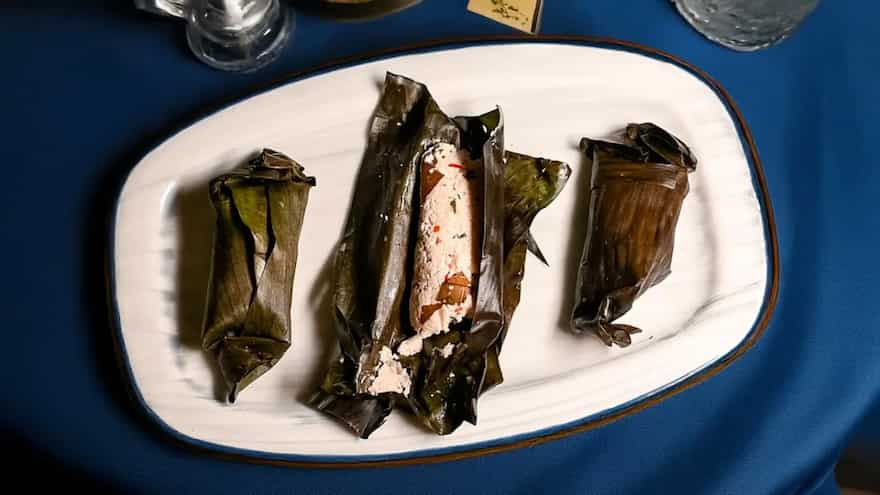
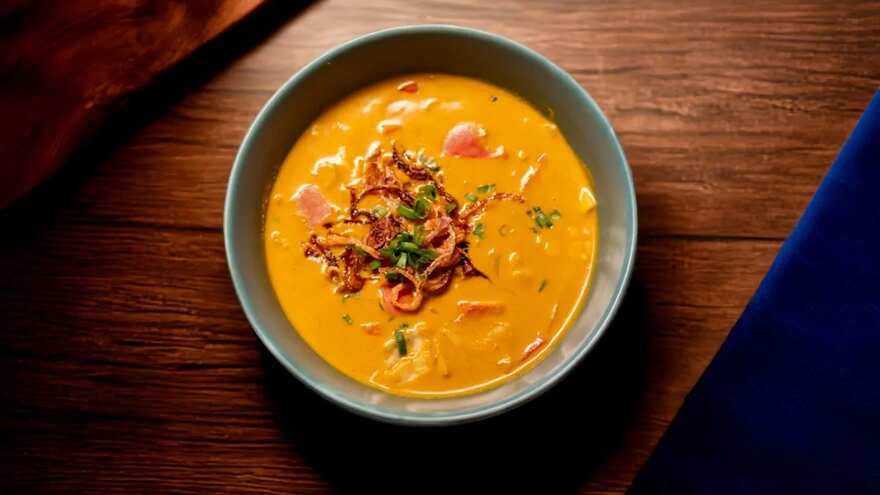
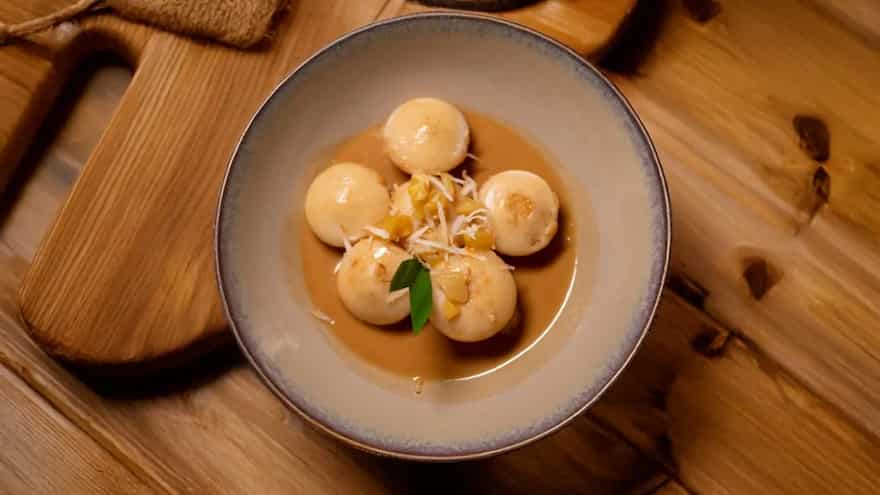
Highlights included batagor (fried tofu and fish dumplings), cilok (chewy tapioca balls in spicy sauce), surabi (traditional rice pancakes), pepes tahu (spiced tofu steamed in banana leaves), and the hearty tongseng kambing (goat stew in sweet and spicy broth). For Indian diners, lesser-known delights like nasi lengko — a humble yet complex rice dish with tempeh, tofu, and peanut sauce — offered a moment of surprise.
The chef was also candid about the challenges faced. “Sourcing some authentic Sundanese ingredients in India did present a few challenges, particularly items like candlenut. We worked closely with Malaka Spice to find high-quality local substitutes without compromising the essence of the dishes.”
Malaka Spice: Always Curious, Always Collaborative
For the team at Malaka Spice, this event was a natural progression of their enduring love affair with Southeast Asian cuisines. “The Indonesian Consulate dines with us at Malaka Spice on multiple occasions and that is how the conversation started!” shared Ilvika Chandawarkar, who heads Research and Business Development at the Malaka Spice Group.
“Sundanese cuisine has not been represented in any restaurant in the country,” Ilvika added. “We were eager to explore this particular one because the cuisine is so light, fresh, and new. It’s our aim for the coming years to represent the many micro-cuisines within Southeast Asia.”
Behind the scenes, collaboration with Chef Sudaryanti involved intense research, experimentation, and a hands-on cooking demonstration. “The process was interactive and insightful, with both teams exchanging ideas to ensure authenticity while adapting to local tastes,” the chef said.
Shared Traditions, Shared Tables
This isn’t just about food — it’s about bridging cultures. “India and Indonesia share a deep appreciation for bold flavours and rich food traditions, so there’s a natural synergy,” said Chef Sudaryanti. “These similarities and differences make cross-cultural exploration especially exciting.”
She hopes Indian guests walk away with more than a good meal. “I hope our Indian guests can discover the depth and variety of Indonesian cuisine… and leave with a lasting memory of warmth, hospitality, and friendship through food.”
Ilvika echoes this sentiment. “We’ve always been incredibly passionate about what we do. Despite it being twenty-seven (soon to be twenty-eight) years of this journey, we believe that we are still fresh kids on the block, constantly trying our hand at something new. Collaboration allows us to meet lovely people and translate these encounters into yummy morsels on a plate.”
Guest feedback will determine whether some of these dishes make it onto Malaka Spice’s regular menu. But if the buzz around the tables during the event was any indication, Sundanese cuisine may well have found a new home in Pune.
With more international collaborations on the horizon, Malaka Spice continues to champion diversity on the plate. As Pune diners expand their palates, events like these prove that the universal language of food remains a powerful bridge — connecting geographies, cultures, and hearts.




