


 Share
Share

INDIA has pledged to restore 26 million hectares of degraded land as part of its commitment to the Bonn Challenge — an ambitious global initiative to revive deforested and degraded landscapes. But ecological restoration isn't just about replanting, it's about reviving entire ecosystems from the ground up. It begins with the smallest of miracles: a single seed taking root. But in damaged landscapes, even that can be a struggle. What if there were a way to give every seed its best shot?
A unique database is aiding farmers, restoration practitioners and anyone interested in growing an ecosystem on Indian soil. It’s the Seed Germination Database, an open-source database by the Ecological Restoration Alliance-India (ERA-I). The ERA-I is an informal network of individuals, organisations and groups working to practice and share knowledge about the ecological restoration of India’s natural ecosystems. The alliance is headed by 11 members — Anita Varghese, Aparna Watve, Arun V, Divya Mudappa, Paul Blanchflower, Pradip Krishen, Rita Banerji, Siddharth Rao, Suprabha Seshan, TR Shankar Raman and Vijay Dhasmana; and has nine institutional partners — Adavi Trust, Auroville Botanical Gardens, Ashoka Trust for Research in Ecology and the Environment (ATREE), ClimateRISE Alliance, The Forest Way, Greenhub, Keystone Foundation, Nature Conservation Foundation (NCF) and Wildlife Trust of India (WTI).
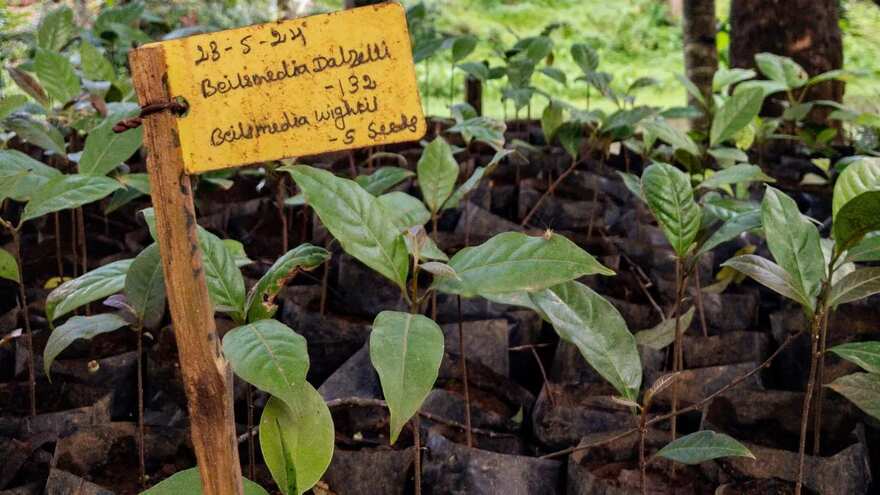
The idea of this database was conceived during discussions between the members who head the ERA-I. “Knowledge is respected,” says Blanchflower. “So what we’re trying to do is bring the idea of ecological restoration just a few steps forward,” he adds. With the threats the environment faces and the many ways in which people are trying to help, there’s been a growing realisation among people, over the past few decades, that the planet is finite and needs to be restored. The database is a step toward making the restoration process easier for practitioners in India.
The database, collated by the ERA-I’s Knowledge and Resources desk, lists over 1000 germination techniques, and around 465 native plant species can be germinated through the guidance it offers. While growing trees is a noble cause, standalone trees cannot aid the environment in the way an ecosystem can. An ecosystem is built with native plant species. These are plants that have established relationships with the animals, birds, insects and other living beings in the area. They are better suited to the region’s weather conditions and have adapted to the local soil and its properties. They don’t need human intervention like watering, fertilisers and so on, since they have learnt to exist in the given conditions. Essentially, they are an important step in building natural, climate-resilient ecosystems.
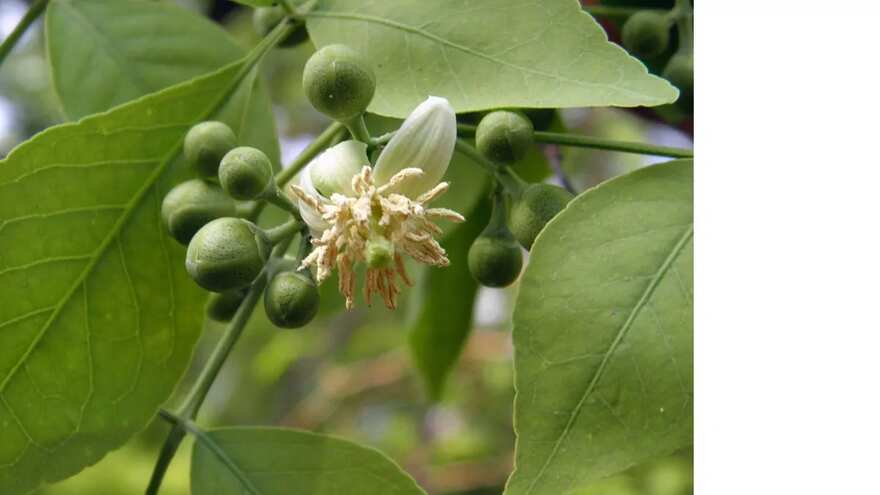
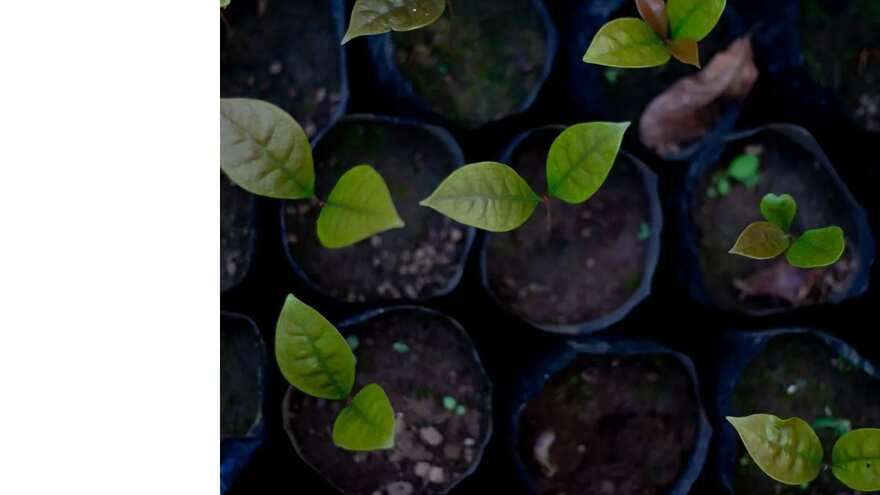
Many such potential lands across the country lie barren, and reintroducing native plants is the best way of nurturing these lands and bringing life back to them. The database, by offering information about the conditions these plants thrive in, is a way of supporting those who are looking to add more greenery to their areas. With this knowledge, the chances of a seed growing into a sapling are much higher. Not just members of the ERA-I, but nursery managers, restoration practitioners and native plant enthusiasts have all contributed their knowledge to build this database.
The database includes columns stating the species and common names of the plant, the name of the contributor, the month the seed was collected in, the germination protocol, time, and percentage, and other notes. For instance, to grow bel patra (Aegle Marmelos), one must start collecting seeds in June or July, soak them in water overnight, and wait 21 days. The percentage of germination is ‘low to medium,’ and the notes explain that the fruit stays on trees for a long time, that it must be collected when yellow and that it must be separated from edible parts and “washed thoroughly to remove all the sugar.” This information has been contributed by the Department of Forest & Wildlife, Delhi. Several entries also have multiple inputs, and the database includes all of them, since different regions and their climate often require different processes. In this way, the database offers detailed germination information of several species.
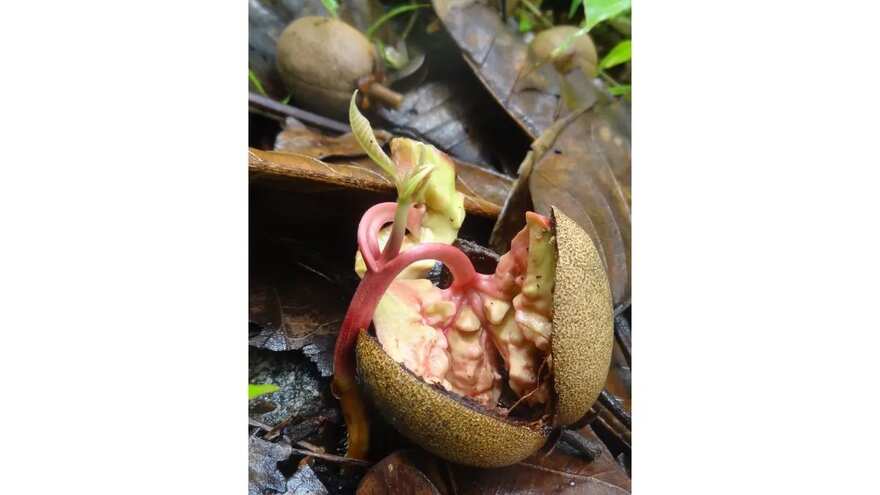
“If you want to do restoration and build a nursery, it’s a difficult job,” says Shashank Bhardwaj, who works on the ERA-I’s Knowledge Desk. He continues: “It’s a long process. You collect the seed, and it may not germinate, or it will take time. You have to try several methods to make it work, and it may still not germinate. So this information helps not just newcomers but anyone working with species they are new to. Also, we include the name of the contributor. So if anyone has an issue, they can reach out to the contributor and get their answers. And while research papers can be dense, we are presenting the information in an easy manner, and it’s open source, so it’s accessible to everyone, everywhere." To this, Mudappa adds, "Most people who established nurseries of native plants have learnt about seed ecology through trial and error. Now that there is a wealth of learning and information available, a database such as this can surely make it easier for people starting new native plant nurseries, or even some of the older nurseries can now perhaps grow the species that they did not manage before.” Importantly, even as one reads this, the ERA-I is adding more species to the database, and it’s an ever-growing project that anyone with experience can contribute to.
Blanchflower sees more to the project than just a database of information. “It creates a narrative, a marketplace of information, a dialogue, a way to communicate. It’s the starting point of a conversation,” he says. It’s like walking into someone’s farm and discussing how they grew that plant, what effort went into it and so on. It’s a way of taking the information that lives in people’s heads and notebooks and making it accessible to people across the country. This is not just a database, it’s a cross-country dialogue that not just highlights restoration but also celebrates it.

And as ERA-I continues its work, its goal is to create a culture of restoration, where people can actually earn a livelihood doing this work, and enable more people to take on restoration work. “Our goal is to bring the idea of restoration forward, in the minds of policy makers, administrators, bureaucrats, and companies. Spread the idea that restoration is very important and that we need to replenish and restore what has been so drastically reduced over the last century,” says Blanchflower. By pooling knowledge and making it freely available, the Seed Germination Database isn’t just restoring ecosystems, it’s restoring trust in what shared, open science can do.




