


 Share
Share

The month of Sawan brings with it grey skies, wet streets and a very particular desire for hot, comforting food. However, according to Ayurveda, the monsoon is also a season when digestion requires a little more attention. The rainy season is traditionally linked with weaker Agni, or the digestive fire, which is why Ayurveda prefers warm foods, freshly prepared, light and easy to digest.
The Ministry of AYUSH's seasonal-regimen direction also suggests easily digestible foods during this time, including rice, wheat, lentils and green gram, whereas cold, difficult-to-digest foods and new grains should be avoided. Yet, this does not mean your plate during the month of Sawan needs to feel dull. It just means picking food a little more thoughtfully and paying attention to freshness and overall hygiene, which become particularly important during this time.
Why Does Ayurveda Change The Diet During Sawan?
The idea begins with Agni. In Ayurveda, digestion is not considered just the body's capacity to break down food; Agni is deemed central to digestion and metabolism. During the rainy season, Ayurveda considers digestive power to turn weak, so very heavy meals feel hard to digest.
There is also a very practical reason to be cautious during the rains. Humidity, water contamination and inappropriate food storage can make raw, stale or poorly handled foods turn out to be a bigger food-safety concern. So the classic preference for freshly cooked, warm food makes sense as a useful monsoon habit as well.
Let Your Sawan Plate Stay Warm And Simple
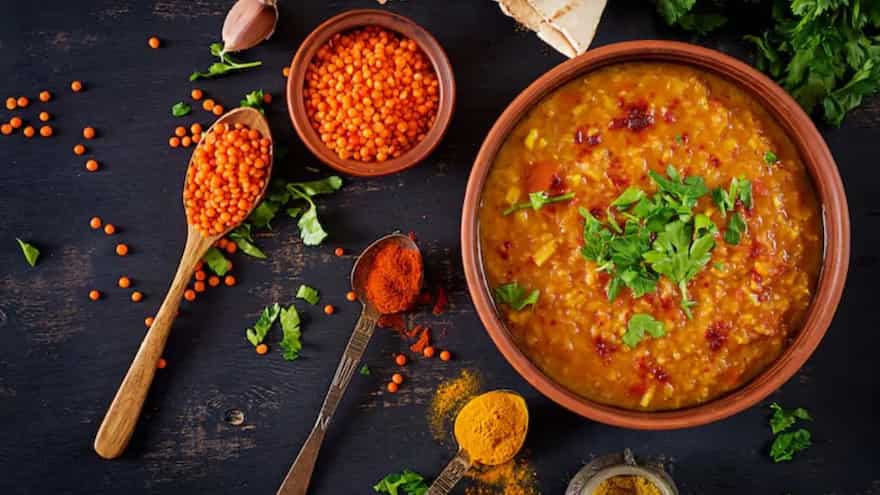
A bowl of moong dal khichdi is possibly the simplest example of what this seasonal approach looks like. Soft rice, green gram and a dollop of ghee make a meal that feels comforting without being too heavy. Simple dal, rice, soups and well-cooked vegetables like lauki, pumpkin or turai can also fit perfectly in the monsoon menu. Government AYUSH recommends rice, wheat, pulses, soups and cooked foods that should be enjoyed during this time.
The idea is not to eat bland food. Add small amounts of ginger, cumin, ajwain, turmeric or hing while cooking. Ayurveda traditionally uses some spices as they support digestion. A warm bowl of dal having tempering of cumin seeds or a light vegetable soup can thus add both flavour and comfort to the Sawan meals.
(Image credit: Freepik)
What About Fruits, Drinks And Dairy?
Hydration remains necessary, but safe water matters more than just drinking more water. Boiled or otherwise safely treated water is a reasonable choice, as contamination can be a concern during the rainy days. Warm water or a gentle herbal infusion can also be an easy option to avoid continually reaching for chilled drinks.
Dairy needs a little more attention. Traditional Ayurvedic advice is to avoid curd during this time and especially lists cold drinks among foods that should be avoided. If you like dairy, fresh, properly stored preparations are preferable to the products that have been placed out for a longer time. Buttermilk, when fresh and appropriate for you, is often used as a lighter option in Indian seasonal diets.
For fruit, always pick fresh, properly washed whole fruit rather than having pre-cut fruit that is left out uncovered for a long time. The monsoon is not the time to take chances with suspicious water sources or the food that has been left out for longer.
Foods To Keep Off The Sawan Plate
This is where the conventional advice becomes extremely useful. Raw salads, stale food, very heavy meals and too much fried food should be consumed in moderation as digestion feels slow.
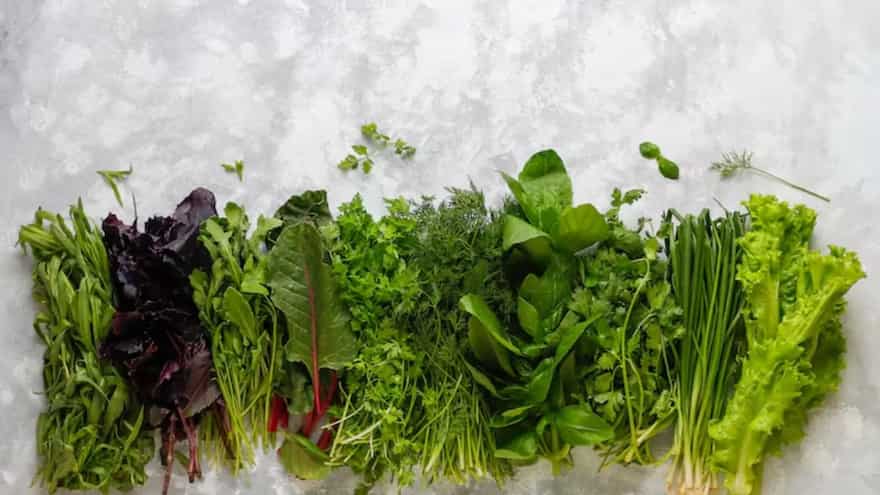
Leafy vegetables like palak and methi are not consumed during the monsoon, while there is also a valid concern about cleaning leafy produce thoroughly, as it may carry soil or pollutants.
That does not mean one plate of pakoras or having palak can suddenly become harmful. The more practical Sawan rule is about frequency, freshness and preparation. A freshly made snack at home is very distinct from repeatedly eating greasy, reheated food from an undetermined source.
(Image credit: Freepik)
The Sawan Rule: Fresh, Warm And Moderate
The season of Sawan does not mean restrictions. Think of the Ayurvedic approach as a nudge towards simpler food: fresh khichdi in place of a heavy meal, cooked vegetables rather than raw salads, warm water in place of ice from an unknown source, and small portions instead of eating until uncomfortably full.
Ayurveda's seasonal approach is ultimately about adjusting food to the season rather than following one rigid menu throughout the year. For Sawan, that means letting the rain change your cooking, not take the joy out of eating.




