


 Share
Share

When the heavy grey skies open and the first rain of the monsoon drenches the coastal state of Goa, the entire landscape undergoes a profound transformation. The scorching summer heat recedes, giving way to a refreshing breeze, rushing streams, and lush, vibrant greenery that carpets the hinterlands. This seasonal shift marks the arrival of one of the most highly anticipated cultural milestones on the local calendar, the feast of Saint John the Baptist, known affectionately as São João. Deeply rooted in both Catholic faith and ancient agricultural practices, this unique celebration brings communities together across generational divides to honour a shared heritage. To understand the profound depth of this rain-soaked festival, one must look closely at how the natural environment shapes local customs, creating an atmosphere of unbridled joy and deep-seated hospitality that defines the Goan way of life.
Christina Rodrigues, a lifelong Goa resident, offers an intimate look into the foundational meaning of this festive day. She notes that "the festival of São João, celebrated on 24th June in Goa, honours Saint John the Baptist and is deeply connected with Goa's agrarian and Catholic traditions." For locals, the morning begins not with rowdy street parties, but with a quiet, communal expression of devotion that grounds the day's upcoming revelry. As Christina explains, "so mass is very important for us" because "special prayers are offered in honour of St. John the Baptist." Once these sacred obligations are fulfilled, the community transitions into a more exuberant state of celebration. She shares that immediately "after Mass, people often visit family and friends, wear the traditional Kopel (a crown made of flowers and leaves), and participate in the famous well-jumping and community celebrations."
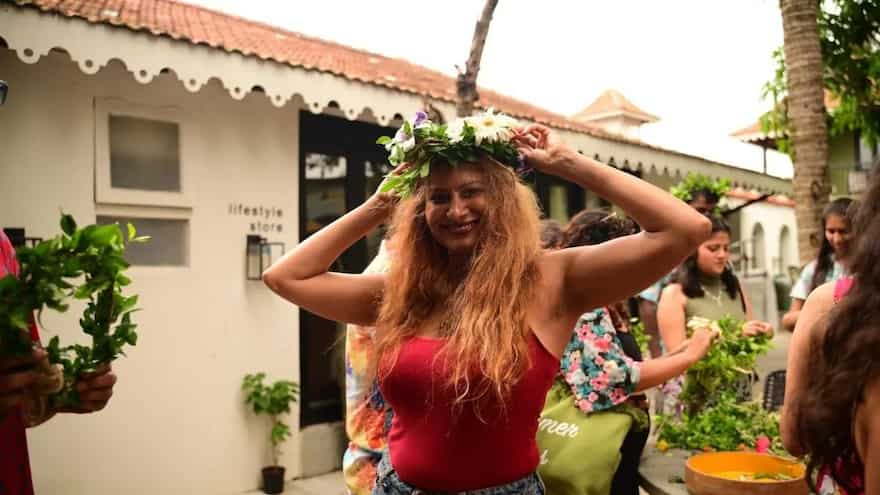
Image credit: Eish Sinai Kakodkar
This seamless blend of historical influences is precisely what makes the occasion so unique to the coastal state. Mackinlay Barreto, the visionary Founder of the experiential travel companies The Local Beat and The Local Kitchen, spends his days hosting curated picnics and pasois around serene, laid-back locations right in the middle of natural surroundings and the untouched hinterland of Goa. He observes that the day reflects "Goa's Catholic-Hindu-Portuguese heritage in delicious ways." This magnificent historical syncretism is visible in every aspect of the day, from the rhythms of the traditional music echoing through the villages to the rich aromas wafting from local kitchens.
The Visual Spectacles Of Kopels And Well-Jumping
The visual identity of the festival is instantly recognisable, defined by an explosion of natural colours and the playful element of water. Revellers of all ages adorn themselves with elaborate, handmade headgear that reflects the sudden abundance of the earth. According to Mackinlay Barreto, "the most iconic visual of São João is the kopel worn on the head from leaves of seasonal fruits like jackfruit, mangoes, breadfruit, and wild berries." These striking crowns are far more than a fashion statement or a festive prop for visitors. As Mackinlay points out, "these aren't just decorative; they reflect the incredible bounty that Goa's monsoon season ushers in." The act of crafting these crowns from wild, seasonal vegetation connects the modern individual directly to the land and the local harvest cycles.
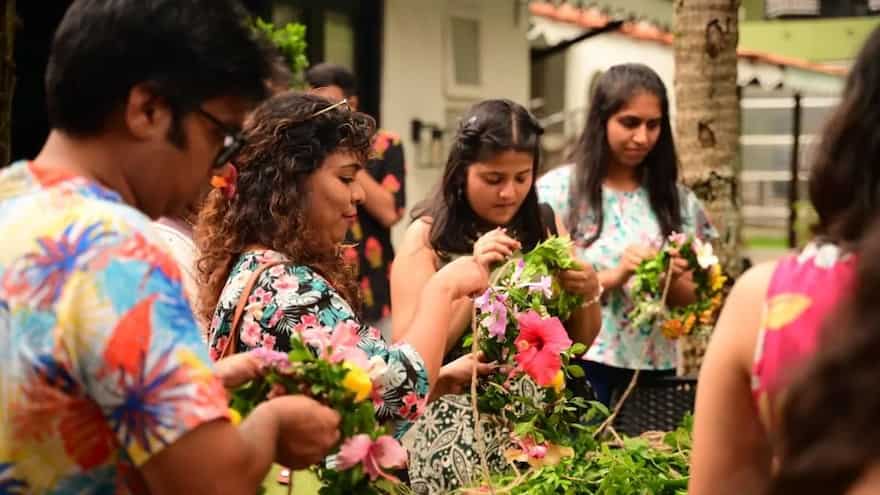
Image credit: Eish Sinai Kakodkar
For travellers and residents preparing to immerse themselves in these dynamic public festivities, knowing how to navigate the day is essential for a rewarding experience. Christina Rodrigues provides a practical roadmap for anyone looking to join the festivities in a respectful and authentic manner. She advises participants to "change into comfortable, colourful clothes suitable for getting wet" and to make an effort to "visit relatives and friends, sing and celebrate together." The hallmark of the festival is its participatory nature, and Christina actively encourages people to "participate in the traditional well-jumping (jumping into wells, ponds, or streams)." To get the most out of this culturally rich day, she recommends that visitors "enjoy music, dancing, boat parades in some villages, and community gatherings" while making sure to "share festive foods such as Patoleo, Sannas, and other Goan delicacies."
The legendary act of jumping into wells carries a beautiful symbolic weight, mirroring the biblical leap of joy made by Saint John the Baptist while still in his mother’s womb. Today, that ancient narrative translates into an outpouring of community camaraderie as young and old leap into fresh village waters amidst the booming sound of traditional instruments and local chants. It is a time when boundaries blur, and the simple act of getting wet becomes a unifying expression of collective happiness. As villages echo with laughter, the shared experience reinforces old friendships and welcomes newcomers into the tight-knit social fabric of the neighbourhood.
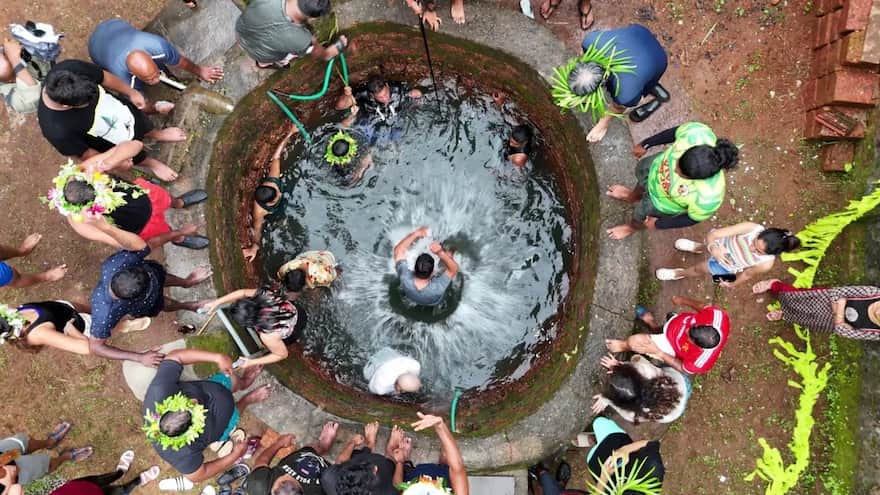
Image credit: Goa Tourism
A Festival Where Food Takes Centre Stage
While the thrill of the water catches the eye of outsiders, the internal culinary landscape is what truly sustains the soul of the festival. Eish Sinai Kakodkar is a marketing and communications professional at Soul Travelling, which stands as one of India’s highly regarded experiential tourism companies. Passionate about storytelling, culture, and community-led travel, Eish works directly at the intersection of tourism, branding, and destination marketing, helping showcase Goa’s rich heritage, food traditions, and local communities through meaningful travel experiences. Reflecting on the profound gastronomic dimensions of the day, Eish notes that "São João is one of those festivals where food isn’t just part of the celebration; it is the celebration."
The onset of the seasonal downpours triggers an immediate, noticeable transformation inside the domestic sphere across the state. Eish explains that "the moment the monsoon arrives, there’s a noticeable shift in Goan homes." He describes how "families start preparing seasonal dishes, kitchens become busier, and food naturally becomes a reason for people to gather." Walking through a village during this period means encountering an intoxicating array of scents, as "you’ll find homes filled with the aroma of freshly cooked seafood, coconut-based curries, sweets, and seasonal fruits." This culinary explosion is tied to the concept of sharing, a trait deeply embedded in the local psyche. Eish emphasises that "one of the things we love most about São João is the generosity that comes with it," noting that "it’s not uncommon for people to offer visitors fruits like jackfruit, mangoes, pineapples, or a plate of something they’ve just prepared at home." This act of feeding others is a foundational cultural pillar because "food has always been a way Goans welcome people, and São João brings that spirit to life beautifully."
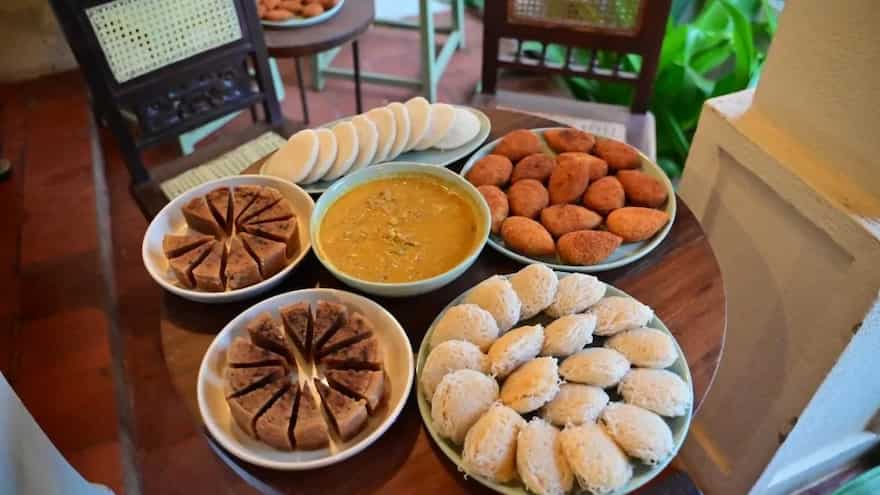
Image credit: Eish Sinai Kakodkar
Marius Fernandes, widely recognized across the region as Goa’s "Festival Man", reflects on this profound connection between community celebrations and cultural preservation. "I always believed by adding food heritage to my festivals would help it to be documented and saved for future generations," he notes. "Over the past 25 years, while organising more than 108 inclusive and accessible people’s festivals across Goa, I have consciously used food as a tool for cultural conservation."
His deepest personal ties to the season illuminate this philosophy. "My strongest memories of São João in Goa are linked to the joy of the monsoon and the abundance it brought to our villages especially on Divar Island," he recalls. "As children, we eagerly awaited the season’s fruits, especially jackfruit, mangoes, pineapples, and wild berries. After the traditional well-jumping and village celebrations, families gathered to share homemade sweets, freshly prepared snacks, and seasonal delicacies. Food was never just about eating, it was about togetherness, storytelling, and celebrating nature’s generosity."
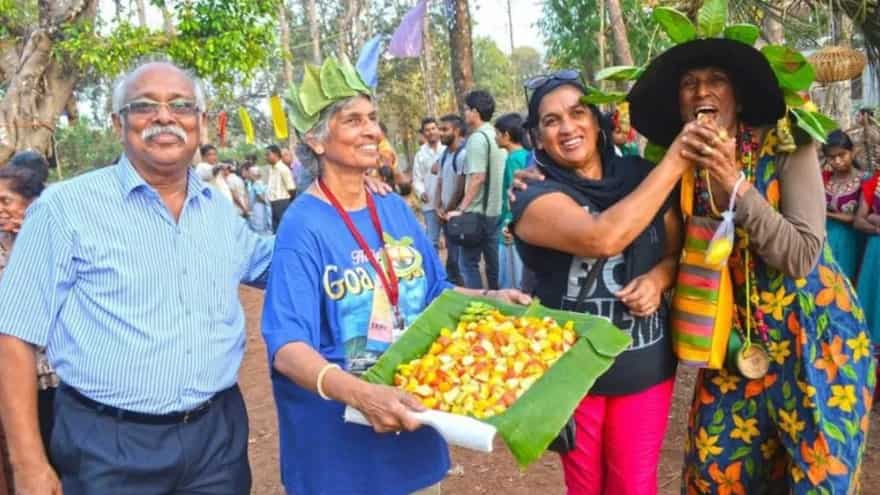
Image credit: Marius Fernandes
This seasonal feast is made possible by the incredible timing of nature, which opens up its stores just as the festival arrives. Eish observes that "the festival also arrives at a time when nature is incredibly abundant. The rains have set in, seasonal produce is at its peak, and many of the dishes prepared during this period are inspired by what the land is offering." He concludes that "that connection between season, produce, and tradition is what makes São João’s food culture so special."
Ellison Fernandes, the dedicated General Secretary of the Siolim Sao Joao Traditional Boat Festival and Cultural Organisation, expands upon this dynamic relationship between agriculture and faith. Ellison states that "the festival of São João blends Catholic traditions with local agricultural customs and a strong sense of community," adding that "food reflects Goa's unique cultural mix of indigenous, Portuguese, and coastal influence."
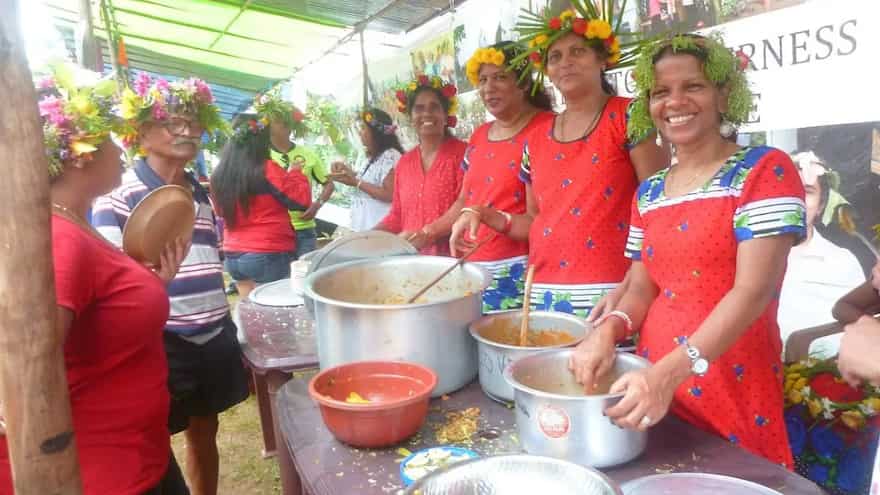
Image credit: Wikimedia Commons
The Culinary Stars Of The Season
When exploring the specific delicacies that define the taste profile of this rainy season, one particular sweet preparation stands out above all others. Eish Sinai Kakodkar confirms this culinary connection by stating that "if there is one dish most Goans immediately associate with São João and the monsoon season, it’s Patoleo." He describes this iconic treat as being "made with rice batter, coconut, and jaggery, wrapped in turmeric leaves and steamed," calling it "one of those flavours that instantly reminds people of this time of year." The sensory experience of making this dish leaves a lasting impression, as "the fragrance from the turmeric leaf is something many Goans grow up looking forward to."
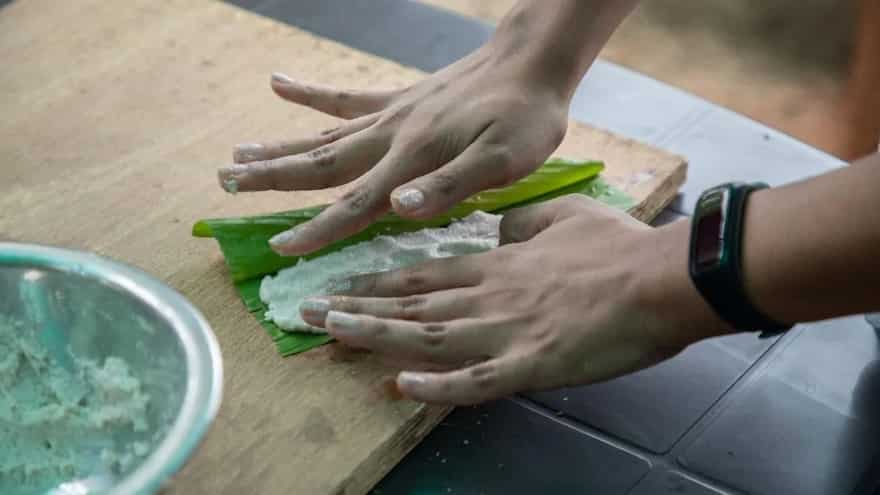
Image credit: Eish Sinai Kakodkar
Marius Fernandes mirrors this deep reverence for the dish, highlighting how it links the community to the earth. "For me, Patoleo best captures the spirit of São João," he explains. "The aroma of the turmeric leaves during steaming is a reminder of the monsoon season. Seasonal fruit preparations, jackfruit sweets, and local dishes prepared with fresh produce also tell the story of a community that traditionally lived in harmony with the rhythms of nature and agriculture."
For Marius, these culinary items represent much more than simple sustenance; they transform public gatherings into educational ecosystems. "For me, festivals are living classrooms," he says. "When people gather to taste Patoleo wrapped in turmeric leaves, learn how jackfruit is prepared in different ways, or hear stories about São João traditions from village elders, they become active participants in preserving Goa’s intangible heritage. Food creates conversations, memories, and connections across generations."
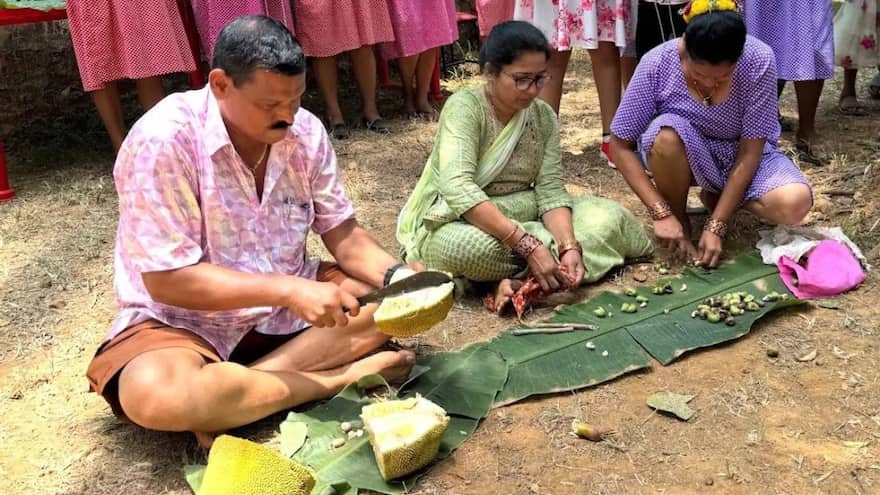
Image credit: Marius Fernandes
Christina Rodrigues details how this dish fits into the wider festive menu that families prepare for their guests. She notes that "Patoleo symbolises prosperity and is one of the most important São João delicacies." To complement this sweet centrepiece, Goan households prepare an array of comforting, robust items. Christina highlights "Sannas, which are soft fermented rice cakes often served with meat curries," alongside hearty, slow-cooked meat preparations like "Pork Vindaloo, which is a festive favourite at family gatherings," and "Sorpotel, a rich traditional dish served during celebrations." The entire spread is rounded off beautifully with "Bebinca, Goa's iconic layered dessert, often enjoyed during festive occasions."
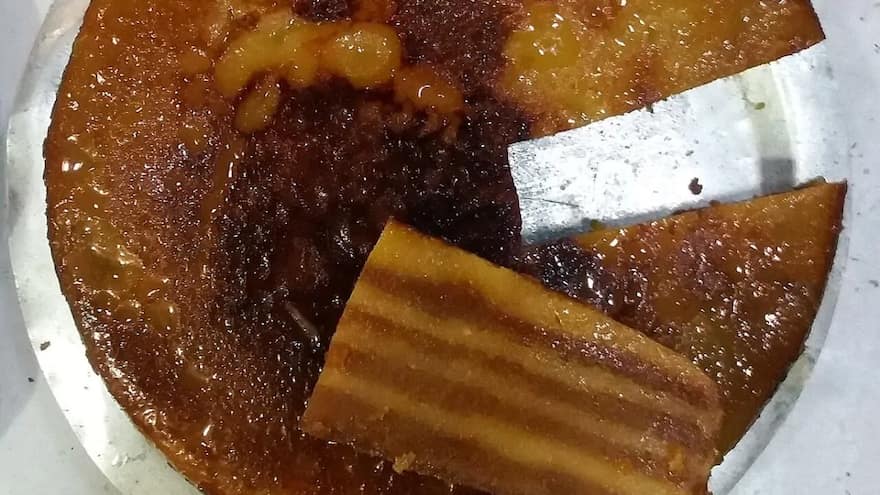
Image credit: Wikimedia Commons
The names and subtle variations of these sweets often change as one travels across the state, revealing a fascinating hyper-local culinary geography. Mackinlay Barreto illuminates these regional preferences by explaining that "one of the beloved desserts during Sao Joao is Pattolyo (as it is called in north goa) and Alle Belle (the same dish, in south Goa), also affectionately known as Mannkio, is a cherished Goan sweet that perfectly captures the essence of the region's culinary heritage." He describes it as "a rich mixture of freshly grated coconut and Goan palm jaggery, which gives it a distinct caramel-like sweetness and aroma," adding that "often, a hint of cardamom powder is added to enhance the flavour." Ellison Fernandes adds that families also prepare "Sorpotel, Vindalo, beef and Xacuti other festive meat dishes in Catholic households" to satisfy the appetite after a long day in the water.
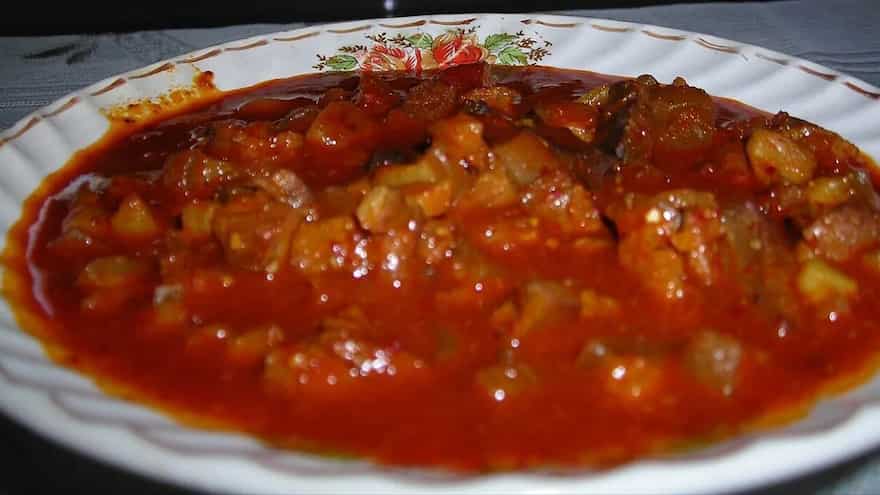
Image credit: Wikimedia Commons
This focus on the environment means celebrating a vast array of indigenous produce that thrives during the rains. Marius Fernandes underscores that certain items remain permanently bound to the identity of the season. "Jackfruit in all its forms is closely associated with São João. Whether ripe and eaten fresh or transformed into sweets and snacks, it is a symbol of the season. I also associate São João with tender mangoes, cashews, pineapples, wild mushrooms, in some parts of Goa, and the first harvests that arrive with the rains. These ingredients remind us that São João is as much a celebration of nature’s bounty as it is a religious and cultural festival."
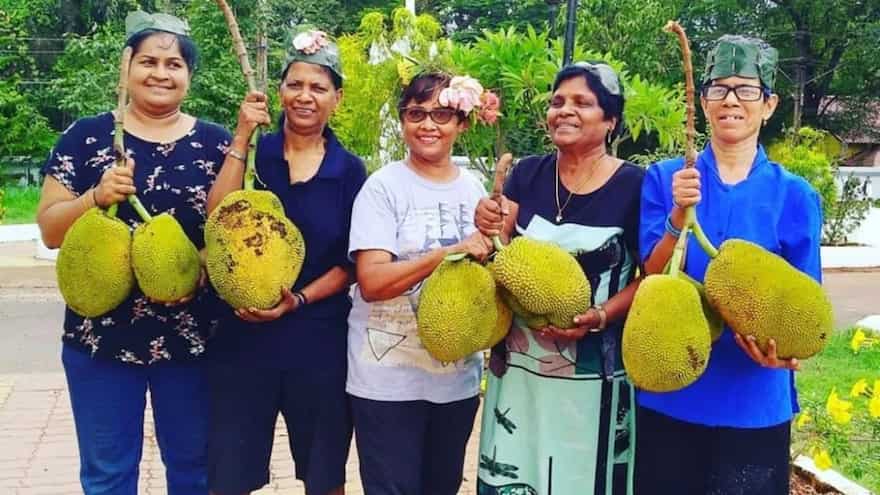
Image credit: Marius Fernandes
Vojem And Dali: Celebrating The Son-in-Law
Beyond its religious and agricultural meanings, Sao Joao holds a vital place in family life, serving as a formal celebration of new marriages and family extensions. Known in the local language as Zanvoiamchem Fest, or the feast of the son-in-law, the day involves specific gift-giving rituals designed to bond families together. Mackinlay Barreto highlights this domestic tradition, stating that "São João is heavily celebrated as Zanvoiamchem Fest (feast of the son-in-law)." He explains that during this time, "newlywed brides visit their home wearing traditional red sados (saree) and carrying a vojem, which is a basket of fresh fruits, sannas (steamed rice cakes), and patoleo (rice cakes stuffed with coconut and jaggery)."
This exchange of heavy baskets laden with the seasonal harvest serves as a public declaration of love, security, and mutual respect between families. Eish Sinai Kakodkar observes that "seasonal fruits also play a huge role in the celebrations." Because "jackfruit, mangoes, pineapples, and bananas are everywhere during São João and often form part of family gatherings and festive exchanges," they become the perfect medium for these rituals. He notes that the custom "symbolises love, abundance, and the strengthening of family bonds." He adds that no Goan celebration would be complete without a toast of the local spirit, noting that "of course, there’s Feni, which whether made from cashew apples or coconut sap, remains one of Goa’s most iconic heritage beverages and continues to be a part of many São João celebrations."
Ellison Fernandes links these domestic gifts directly to the wider community and the annual harvest. He points out that "the newly married daughters and relatives exchange a basket of fruits called Dali in Konkani," and notes that this beautiful tradition is highly versatile because "the same Dali is exchanged when there is a newborn in the family." Ellison emphasises that "food is much more than a meal during São João" because "it helps express hospitality, family bonds, and community identity." He observes that "sharing and gifting, where families exchange fruits and homemade dishes, strengthens social bonds," while "celebrating the harvest through seasonal produce symbolises abundance and gratitude for the monsoon rains that sustain agriculture." Ultimately, "community gatherings, where after the well-jumping festivities, people often gather for feasts, music, and drinks, turn the event into a communal celebration," thereby "preserving tradition through recipes passed down through generations that connect modern Goans with their cultural heritage." He notes that traditional "drinks like coconut and cashew feni and lately even port wine is served along with the Dali" to complete the hospitality ritual.
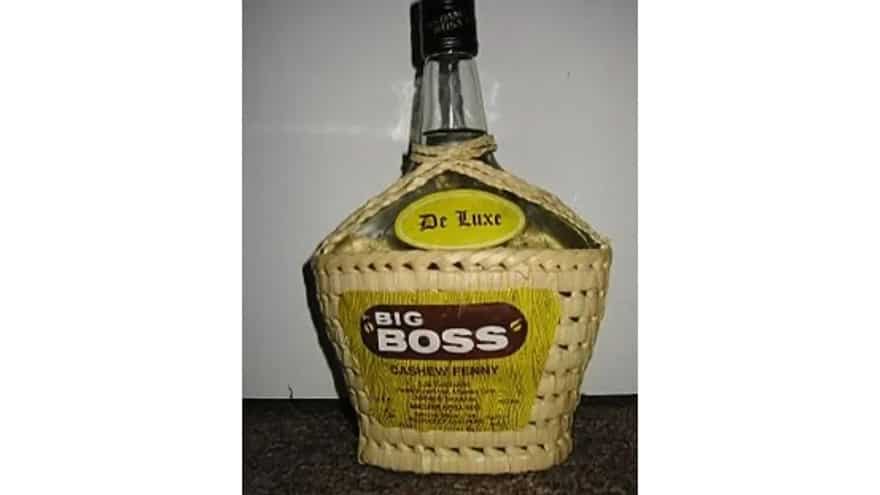
Image credit: Wikimedia Commons
Evolution And Preservation Of Heritage
As the modern world brings rapid changes to the socioeconomic fabric of the state, local traditions must navigate the delicate balance between preservation and adaptation. Eish Sinai Kakodkar views this evolution with a sense of optimism, stating that "what’s fascinating about São João is that while many things around us have changed, the food traditions have remained remarkably resilient." He points out that "for generations, recipes have been passed down through families, and many of the dishes associated with São João are still prepared the same way they were decades ago." The core domestic acts remain alive because "Patoleo continues to be made at home, families still exchange fruits and festive foods, and the Vojem tradition continues in many households."
At the same time, this resilience is being tested by shifting generational habits, making active intervention critical. Marius Fernandes notes that "many traditional foods associated with São João and the monsoon season were gradually disappearing from public memory." He observes that "modern lifestyles have undoubtedly changed many traditions. Ready-made foods and changing food habits mean that fewer families prepare traditional dishes from scratch. Skills such as making Patoleo, preserving seasonal fruits, or preparing monsoon delicacies are no longer being passed down as widely as before."
To counter this decline, Marius uses the festival format to create vital intergenerational links, offering youth a firsthand encounter with their heritage. "Through my festivals, I have created spaces where older generations can share their knowledge with younger people through demonstrations, tastings, workshops, and storytelling," he explains. "One of the greatest joys of my work has been seeing children and young people discover traditional Goan foods that they may never have encountered at home. In this way, the festivals become bridges between the past and the future, ensuring that Goa’s rich culinary traditions continue to thrive." He firmly believes that "community festivals, food workshops, and intergenerational sharing are essential if we are to preserve these culinary traditions for future generations."
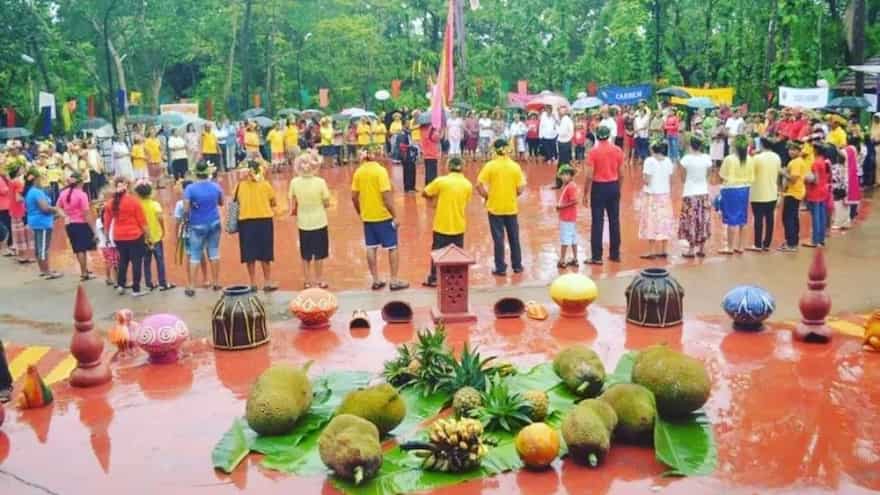
Image credit: Marius Fernandes
At the same time, this resilience is being bolstered by a conscious cultural revival movement. Eish notes that "there is a growing interest in documenting and celebrating Goa’s culinary heritage." As a result, "more people are curious about traditional recipes, local ingredients, and seasonal food practices," which has actively "encouraged communities, cultural organisations, and tourism stakeholders to shine a spotlight on traditions that deserve to be preserved." He believes that "in many ways, the increased interest from visitors and younger generations is helping ensure that these traditions continue to thrive rather than fade away."
Ellison Fernandes provides a nuanced perspective on how modern lifestyles have subtly altered these practices without erasing their core identity. He notes that "modern social and economic changes have influenced how people celebrate" because "urbanisation and smaller households mean fewer families prepare every traditional dish from scratch." This shift has meant that "some foods are now purchased from local bakeries, caterers, or community groups." Furthermore, the contents of the traditional gifts are changing, as "Dali have become more elaborate and decorative, sometimes incorporating packaged foods, chocolates, and modern gift items alongside traditional fruits." The commercial sector has also stepped in, with "restaurants and cultural organisations increasingly hosting São João-themed menus, introducing younger generations and tourists to traditional Goan dishes." Ellison views this as a natural adaptation, concluding that "contemporary versions of classic recipes may use new cooking methods, ingredients, or dietary adaptations while retaining their recognisable flavours."
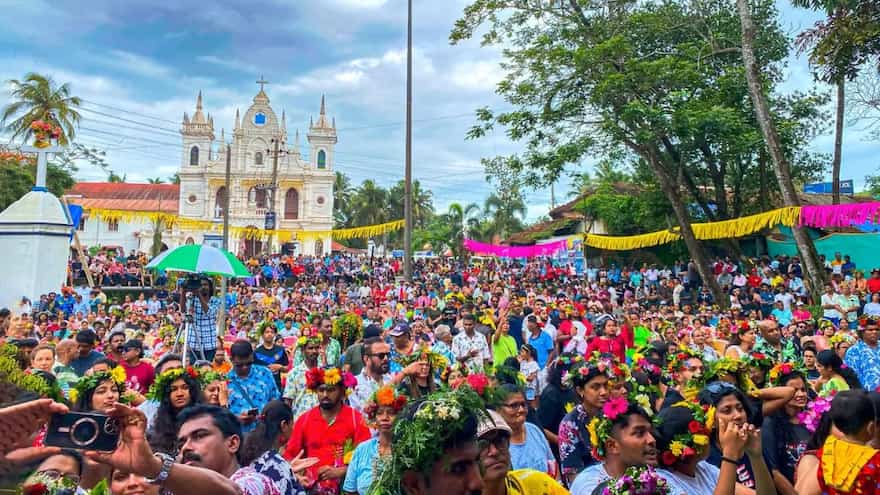
Image credit: Goa Tourism
Exploring And Safeguarding Traditions Through Tourism
The rise of global travel has made the festival a point of attraction for cultural tourists seeking authentic local experiences. Eish Sinai Kakodkar explains that this influx presents both an opportunity and a responsibility for local hospitality leaders. He states that "this is something we are very passionate about at Soul Travelling," recalling that "for a long time, many visitors associated Goan food primarily with beachside dining and seafood." While that remains an important part of the story, Eish emphasises that "there’s so much more to discover." Through carefully curated, "community-led experiences, interactions with local families, bakers, and community hosts, travellers get an opportunity to understand not just what Goans eat, but why they eat certain foods during certain seasons and festivals."
This educational approach helps shift the tourism narrative from passive consumption to active cultural appreciation. Eish points out that "across Goa, there are also several community celebrations, food festivals, and cultural events that showcase traditional São João dishes and monsoon foods." These grassroots initiatives are vital because they are "helping visitors discover a side of Goa that often goes unnoticed." For the team at Soul Travelling, the ultimate mission is grounded in deep cultural empathy. As Eish concludes, "for us, the goal isn’t simply for someone to taste a Patoleo" but rather "for them to understand why it is made, who makes it, and why it continues to hold such an important place in Goan homes and celebrations."
Ellison Fernandes highlights the structured efforts being made at the institutional level to protect the authenticity of these events. He notes that "several efforts are underway to introduce tourists to São João's culinary traditions while ensuring that the festival remains rooted in local culture rather than becoming just a commercial attraction." He credits the state infrastructure, stating that "the Goa Tourism Department regularly supports São João celebrations and related cultural events that feature traditional Goan cuisine, music, and folklore." Villages like "Siolim remain central to preserving authenticity," because their "community-run festivals often feature traditional foods, seasonal fruits, and shared meals that allow tourists to participate in local customs." Ellison believes that organised public events, such as "boat festivals, kopel competitions, and cultural showcases, help connect visitors with both the food and the stories behind it."
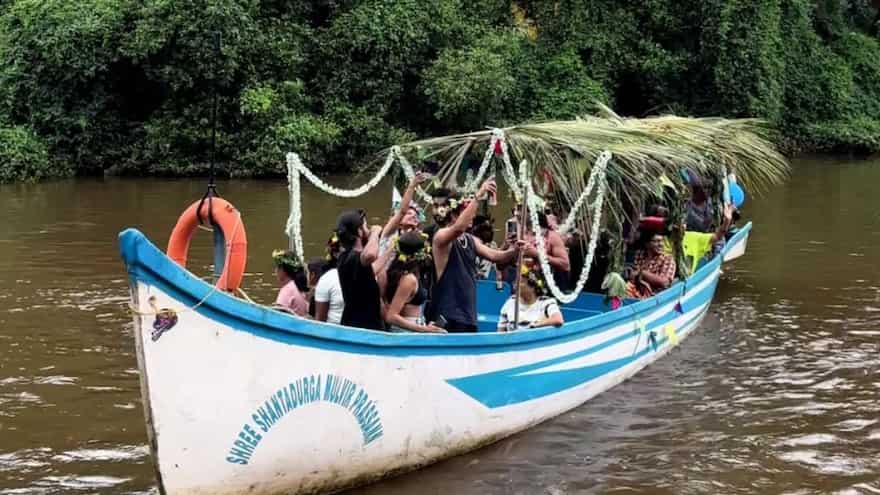
Image credit: Goa Tourism
Regional Flavours And Shared Spirit
While the underlying philosophy of hospitality and joy remains uniform across the state, the actual execution of the festival changes beautifully from village to village. Eish Sinai Kakodkar remarks that "yes, and that’s one of the things that makes exploring Goa so interesting." He explains that "the festival is celebrated across the state, but every village adds its own character to the occasion." Iconic settlements such as "Siolim, Aldona, Pilerne, Majorda, Assolna, and Benaulim all have their own customs, traditions, and ways of celebrating." Eish points out that "while the core elements remain similar, you’ll often notice small differences in recipes, ingredients, preparation methods, and family traditions." These subtle distinctions are highly localised, having "evolved over generations and are shaped by local produce, community practices, and family heritage."
Ellison Fernandes provides a clear geographical breakdown of these regional styles, confirming that "while São João is celebrated throughout Goa, the foods associated with the festival can vary by region, community, and family tradition." These nuances reflect Goa's diverse geography, agricultural practices, and cultural influences. In North Goa, particularly villages along the rivers such as Siolim and Aldona, large São João celebrations are famous. In these vibrant northern riverside communities, "festive meals often emphasise seasonal fruits used in Dali, traditional Catholic dishes such as Sorpotel, seafood curries and rice, and local beverages including feni."
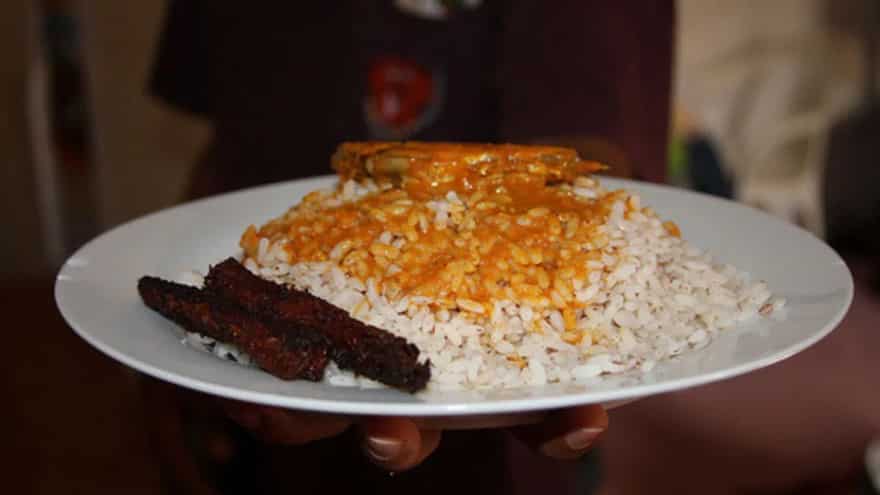
Image credit: Wikimedia Commons
Conversely, travelling down to the southern districts reveals a quieter, more earth-centric focus that mirrors the local lifestyle. Ellison explains that "in South Goa, where agricultural traditions remain strong in many villages, São João foods may place greater emphasis on homegrown produce, rice-based preparations, coconut-rich dishes, and monsoon specialities prepared from locally available ingredients."
Despite this geographical divergence in menus and preparation styles, the human element of the festival remains completely unified, acting as a profound social bridge across the region. Marius Fernandes details how this shared experience actively transcends social structures to unite the populace. "Food is the great connector during São João," he emphasises. "In village settings, people visit one another’s homes, exchange seasonal produce, and share meals regardless of social or economic background. The act of preparing food together, eating together, and celebrating together strengthens bonds of friendship, family, and community."
Marius frames this enduring culinary legacy as a vital historical anchor, just as permanent as physical architecture. "As Goa’s Festival Man, I believe that preserving food heritage is just as important as preserving monuments or historical sites. Recipes, ingredients, and food traditions are living treasures that tell the story of who we are as a people."
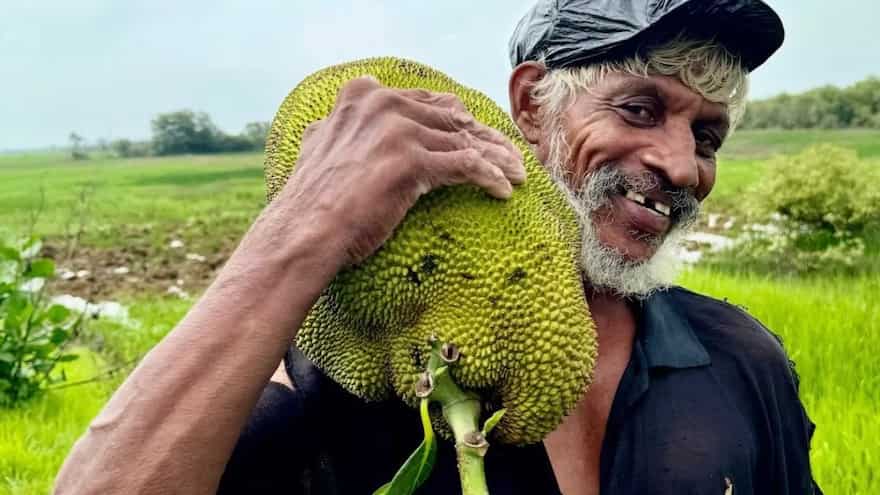
Image credit: Marius Fernandes
As Eish Sinai Kakodkar beautifully summarises, "what remains consistent across Goa is the importance of seasonal food, hospitality, and community. Whether you’re celebrating São João in North Goa or South Goa, you’ll find people coming together, sharing food, exchanging fruits, and celebrating the arrival of the monsoon." It is this enduring harmony that defines the season, proving that the local flavours may vary, but the foundational spirit is universal. Marius Fernandes brings this truth into final, sharp focus: "São João reminds us that festivals are not merely events, they are living expressions of collective identity, hospitality, and belonging. Food plays a central role in keeping these traditions alive and meaningful."




