


 Share
Share

When the Indian summer is at its peak, the focus shifts to foods that cool the body, aid digestion, and keep hydration levels steady. This is where sabja seeds, also known as basil seeds, and chia seeds enter the conversation. At first glance, both these seeds look similar. They are tiny, black, and capable of swelling into gel-like textures when you soak them in water. However, despite their visual resemblance, their properties, uses, and impact on the body are different.
Sabja seeds have been used in Indian cooling drinks like falooda, nimbu paani, and rose sherbet for a long time. Chia seeds, on the other hand, are a recent addition which has become popular through global health trends and is often associated with smoothies, puddings, and breakfast bowls. Both these seeds are good for the body, but only one works better for Indian summers, and that is sabja seeds.
(Image Credit: Freepik)
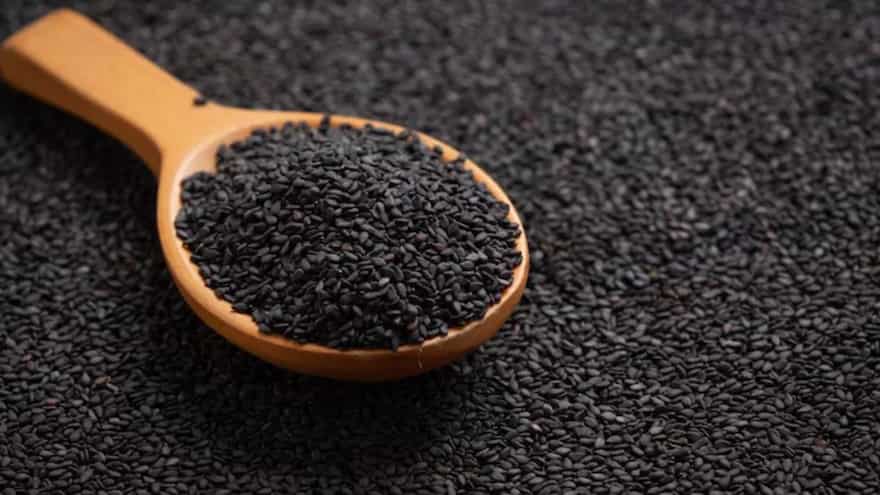
What Are Sabja Seeds?
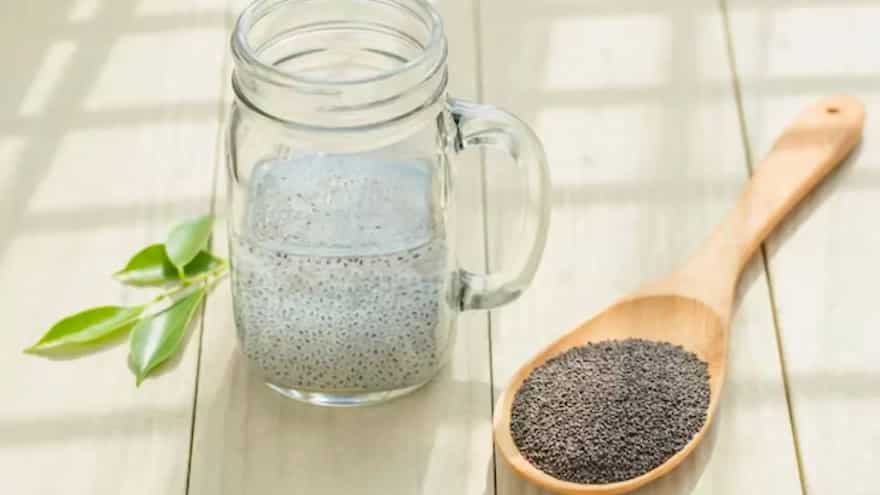
Sabja seeds come from the sweet basil plant and have been used in Ayurveda for their cooling properties. When these seeds are soaked in water, they swell quickly, often within 10 to 15 minutes, and form a soft, translucent coating. This makes them ideal for instant summer drinks.
Their biggest strength is their ability to reduce body heat. Traditionally, sabja seeds are consumed to soothe the stomach, prevent acidity, and provide relief from heat-related discomfort. They are light on the stomach and useful during extremely hot days when digestion usually slows down.
(Image Credit: Freepik)
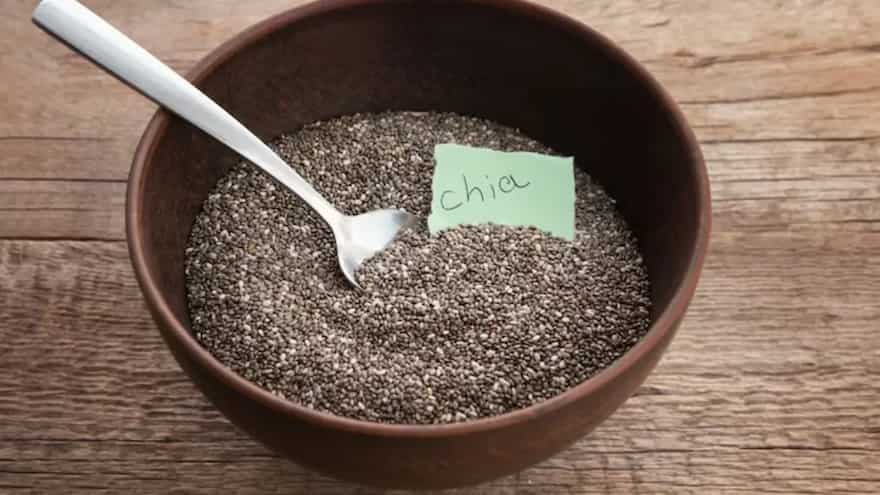
What Are Chia Seeds?
Chia seeds originate from Central America and have gained popularity as a global superfood. Unlike sabja, they take longer to soak, typically 30 minutes to a few hours, and develop a thicker, more gelatinous texture. From a nutritional point of view, chia seeds are rich in fibre, omega-3 fatty acids, and protein. They are often consumed for sustained energy, improved digestion, and as part of weight management diets. While they do have hydration benefits, their primary role is more functional and nutritional rather than instantly cooling.
(Image Credit: Freepik)
Which One Is Superior To Cool The Body Down?
If the goal is to beat the heat quickly, sabja seeds have a clear edge. Their natural cooling properties make them ideal for Indian summers, especially when they are added to chilled drinks. They help regulate body temperature and provide immediate relief from heat.
Chia seeds, on the other hand, are hydrating, but they do not have the same traditional cooling reputation. They work more gradually in the body and support overall health rather than offering instant refreshment.
Texture And Consumption Experience
Sabja seeds become soft yet retain a slight bite, making them pleasant in drinks without feeling heavy. They are almost neutral in taste, allowing them to blend easily into sherbets and lemon water.
Chia seeds, however, develop a thicker, pudding-like consistency. This makes them better suited for meals rather than quick drinks. Their texture can feel more filling, which is great for breakfast, but they can feel too heavy during peak heat hours.
Everyday Uses Of Sabja Seeds
Sabja seeds are very easy to include in summer diets. They work best in lemon water or nimbu pani for instant cooling. You can use them in rose milk and falooda for a classic dessert-drink combination. Sabja seeds can also be used in buttermilk or chaas for digestive support. They are also best suited for coconut water to make a light and hydrating beverage. Sabja seeds require minimal soaking time, making them perfect for quick, last-minute drinks.
(Image Credit: Freepik)
Everyday Uses Of Chia Seeds
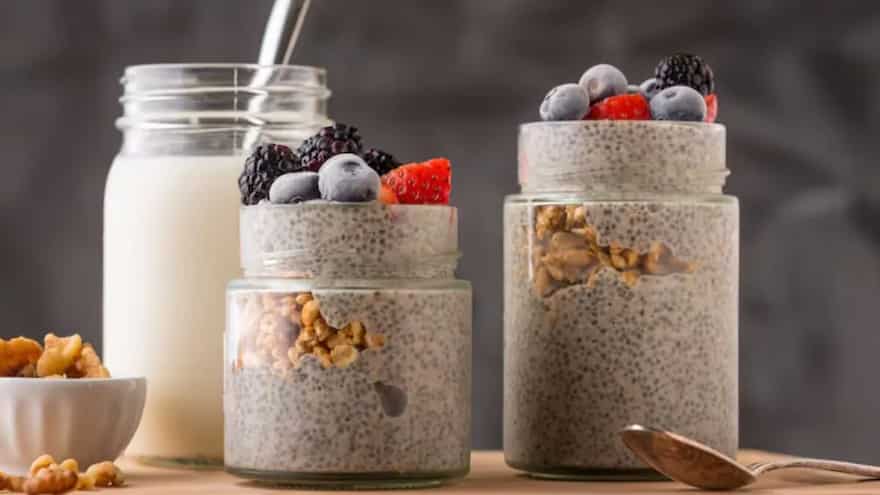
Chia seeds are more versatile when it comes to structured meals. They are commonly used in overnight puddings with milk or plant-based alternatives. Chia seeds also work the best in smoothies for added thickness and nutrition, in oatmeal or breakfast bowls. They can also be a part of baked goods like muffins and breads as an egg substitute. Chia seeds are better suited for planned meals rather than spontaneous summer refreshments.
Which One Works Better?
If you are in search of immediate cooling, hydration, and relief from the harsh Indian heat, sabja seeds are more effective. They align closely with traditional eating patterns and are designed for exactly these conditions.
Chia seeds, on the other hand, are better for long-term nutritional support. They provide sustained energy and are ideal for those focusing on fitness, weight management, or balanced diets. So, there is no competition between the two as both have their specific roles, but for cooling effects in Indian summers, sabja seeds naturally become the better choice because of their cooling properties.




