


 Share
Share

Indians have never needed much convincing to take the longer route to a destination. A road trip is rarely just about reaching the location. It is about the family car being packed with far too many bags, friends arguing over the playlist, an unplanned detour for chai, as well as the sudden, childlike excitement when somebody spots a roadside stall selling their favourite snacks, be it samosas, roasted corn, or jalebis. Food is woven into the journey itself, with every stop offering another excuse to nibble and eat.
But the trouble begins when this appetite gets carried away. Hours in the car can mean less movement, irregular meal timings, and a tendency to graze rather than eat proper meals. Travel and changes in routine can contribute to constipation, while too little fluid and too little fibre can make the situation even worse. At the other extreme, consumption of contaminated food or water can cause diarrhoea, vomiting and other gastrointestinal problems, potentially turning a beautiful drive into an urgent search for the nearest washroom.
But amid all this, no one wants to seek refuge in a joyless box of boring or boiled food as well. The better road trip strategy is to carry food that is tasty, portable, filling, and safe to eat, while knowing which things need a cooler and which can safely survive in a backpack.
Crunchy Snacks And Grazing Box Foods That Survive The Drive
Every road trip needs something to nibble and snack on, once the initial excitement dies down. Roasted chana, peanuts, almonds, walnuts, pumpkin seeds, and homemade trail mix are very useful in such cases because they are compact, dry, and easy to portion. You can also add a few dates or pieces of dried mango, if you want a little sweetness alongside the crunch.

Image credit: Pexels
Pretzels, wholegrain crackers, and rice cakes can play the same role when the craving is more about texture, saltiness, and compact food than proper hunger. Dry, packaged foods are also among the simpler travel choices from a food-safety perspective here because they offer less opportunity for microbial growth than moist perishable foods.
But road trip food does not have to look like survival rations. A small cooler can turn your journey into something resembling a fun picnic. Pack a hamper with hummus, wholegrain crackers and carrot or pepper sticks for a good savoury combination. Hard cheeses such as cheddar or Gouda work with crackers, grapes and apple slices.
Olives add a salty, briny hit, while guacamole can make an otherwise ordinary snack box feel much more exciting and nutritious. These items are best treated as chilled foods, not things to pack into the boot at 7 am and rediscover spoilt at sunset.
Fresh And Fruity Snacks For A Break From Packaged Food
After a few hours, even the best trail mix starts looking rather uninspiring and monotonous. This is the moment when apples, pears, oranges, bananas, and grapes bring freshness to the snack bag and provide fibre alongside their natural sweetness. Whole fruit is very practical in such cases. If travelling somewhere where water or food hygiene is uncertain, fruit that can be peeled yourself is always preferable to cut fruit that has been sitting outside.
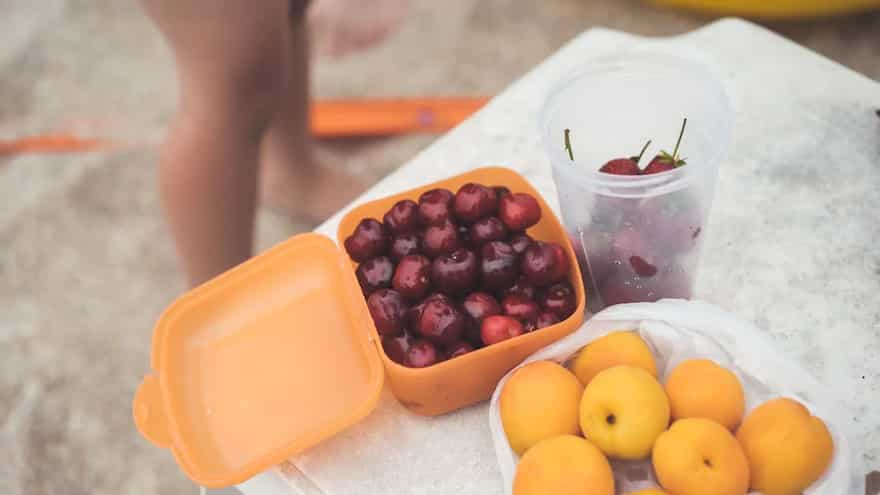
Image credit: Pexels
Centers for Disease Control and Prevention, aka CDC guidelines specifically advise caution with cut produce and recommend fruit that can be peeled and eaten when sanitation is uncertain. In such cases, dried fruits prove very useful. They are compact and do not bruise in the same way, although their sweetness is concentrated, making a small portion more sensible than eating directly from a large packet.
Proper Small Meals For When Snacking Stops Being Enough
A long drive eventually demands something more substantial. Homemade thepla, plain rotis, and dry vegetable or paneer rolls are classic Indian options because they can be eaten without a full dining setup, on the go. The international equivalents are just as practical, for example, a peanut butter and banana sandwich, savoury muffins, vegetable frittata squares, or a simple chicken or turkey wrap.
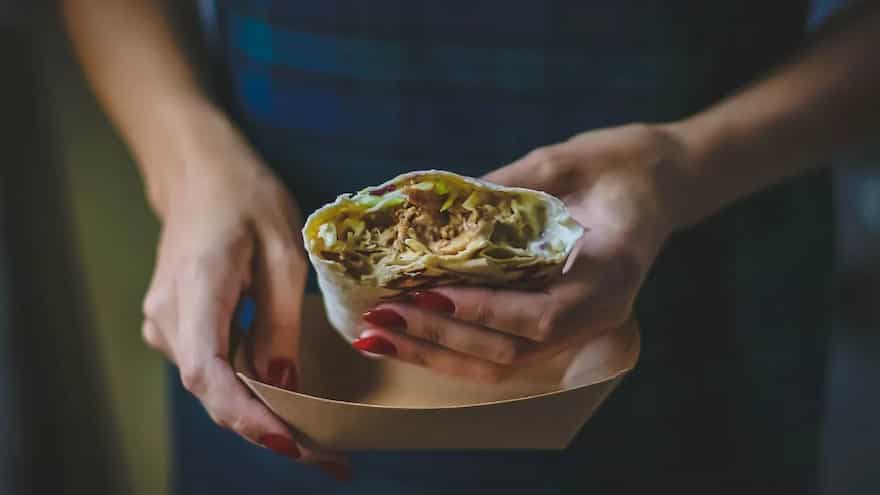
Image credit: Pexels
Why are these meals suitable? Imagine a wrap with cooked chicken, lettuce and a modest amount of cheese. It can stand in for a light lunch without becoming a three-course affair inside your car and helping keep crumbs and ants at bay. But these are also the foods regarding which food safety becomes particularly important. Meat, eggs, dairy, cooked fillings and other perishables need proper refrigeration. The CDC advises keeping perishable foods at 4°C or lower temperatures and does not recommend allowing them to remain at room temperature for more than two hours.
Similarly, the United States Food and Drug Administration, aka FDA similarly recommends keeping cold foods at or below 4°C and shortening the food safety window to one hour when outdoor temperatures exceed 32°C. So if there is no proper cooler, then save the chicken wrap craving for the café stop instead of hoping that your car’s air-conditioning will do the job.
Sweet Things Are Allowed
A road trip without a treat is hardly a road trip. Dark chocolate with almonds or hazelnuts is easy to portion and scratches your chocolate itch without requiring a bakery stop every alternate hour. Also, granola or oat bars can be useful when breakfast has been rushed, although it is worth checking the label first before assuming every bar is automatically wholesome.
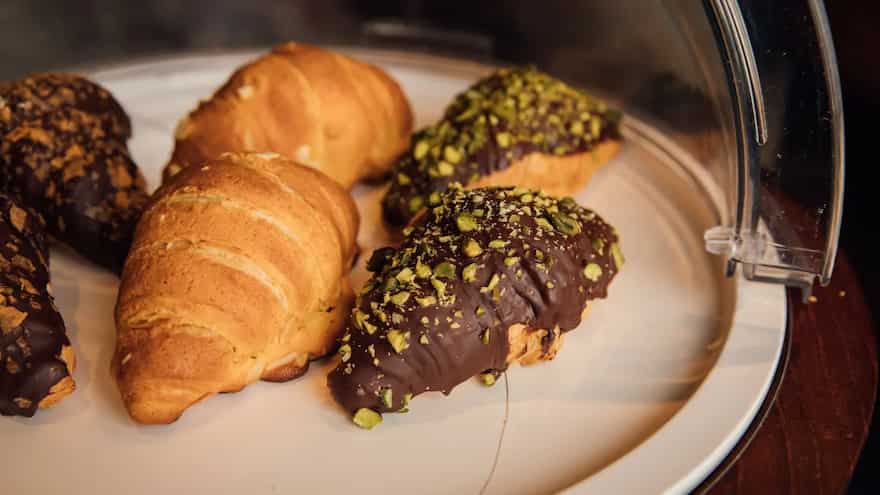
Image credit: Pexels
And sometimes a fresh croissant, pain au chocolat or local bakery pastry is exactly the right answer. Eat it fresh from a reputable bakery instead of carrying a cream-filled pastry around in a hot car for half a day. The point is not to eliminate indulgence completely; it is to avoid turning it into a food-safety gamble.
Drinks: Keep Water Within Reach
Water should be the easiest drink to reach, not the one random bottle buried underneath everyone's luggage. The National Institute of Diabetes and Digestive and Kidney Diseases, or NIDDK, recommends plenty of liquids when increasing fibre and notes that adequate hydration can help prevent constipation. For some variety, sparkling water with lemon or lime, lightly brewed iced tea, or chilled coconut water can break the monotony. Homemade lemon and mint water is another simple and safe option.
Coffee and chai can stay on the itinerary as well. But the trick is timing and portion control. If caffeine tends to make you urinate more often or stimulates your bowels, then have it around a planned stop rather than immediately before another long stretch of the highway.
And What About Roadside Samosas, Fries And Chai?
This is where road-trip eating becomes personal. A freshly fried samosa from a busy, hygienic stop is not automatically something that needs to be banished from the trip itinerary. The bigger concerns are food that has been sitting lukewarm, experiencing poor handling, inadequate refrigeration, and ingredients exposed to contamination.
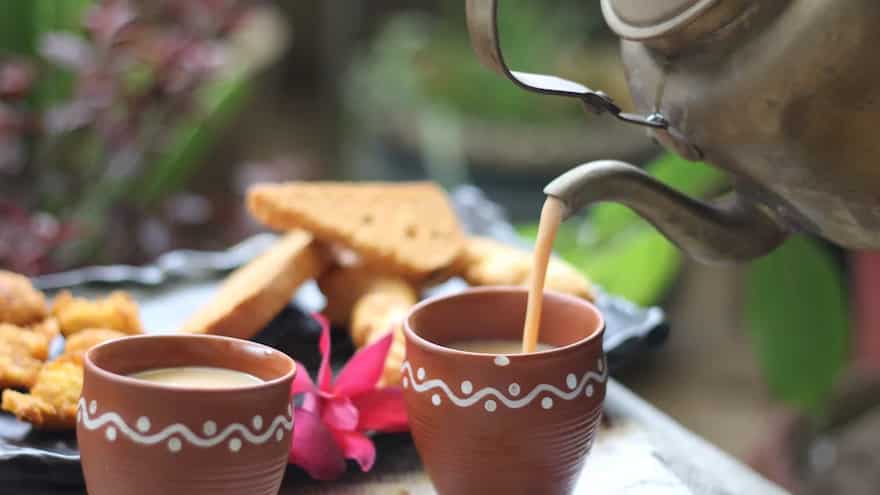
Image credit: Pexels
CDC specifically advises travellers to opt for food that is thoroughly cooked and served hot, while exercising greater caution with raw foods as well as food from places where hygiene is uncertain. So enjoy the roadside stop, but do not follow three samosas with fried chicken, a milkshake, and two cups of chai and then blame the winding road for the consequences.




