


 Share
Share

As we transition into a new calendar year, the culinary focus often shifts towards ingredients that symbolise luxury, health, and a sense of renewal. Gulkand, a traditional Indo-Persian preserve made by sun-cooking Damask rose petals with sugar, is a prime candidate for this seasonal shift. Beyond its historical reputation as an Ayurvedic cooling tonic, gulkand offers a complex flavour profile: it is intensely floral, deeply sweet, and possesses a subtle tannic structure that mimics high-quality honey or dark berries. In a modern kitchen, gulkand functions as a versatile “floral jam”. Its thick, jammy viscosity makes it an excellent candidate for glazing, filling, or emulsifying into dairy. This article explores eight detailed ways to integrate gulkand into a sophisticated New Year’s menu, focusing on technical balance and professional presentation.
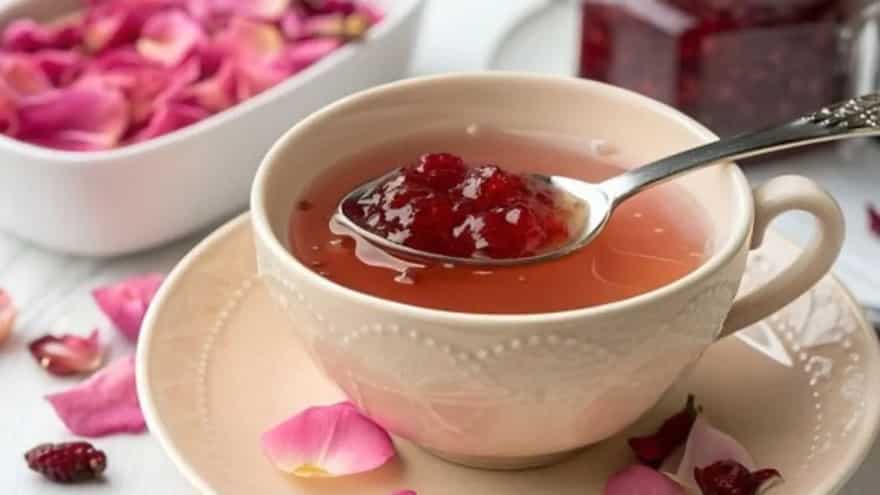
Image credit: Adobe Stock
1. The Rose-Gin Fizz With Egg White Emulsion
This cocktail moves away from the cloyingly sweet rose syrups often found in bars, opting instead for the texture of real petal preserves. In a shaker, combine 2 oz dry gin, one generous bar spoon of gulkand, 0.75 oz fresh lemon juice, and one egg white or aquafaba, then perform a dry shake without ice for 30 seconds to emulsify the proteins and gulkand before adding ice and shaking again until chilled. Strain into a chilled coupe, where the gulkand provides both sweetness and a pale pink hue, while the botanicals in the gin highlight the rose’s natural aromatics, and the foam top acts as a bed for a single dehydrated rose bud.
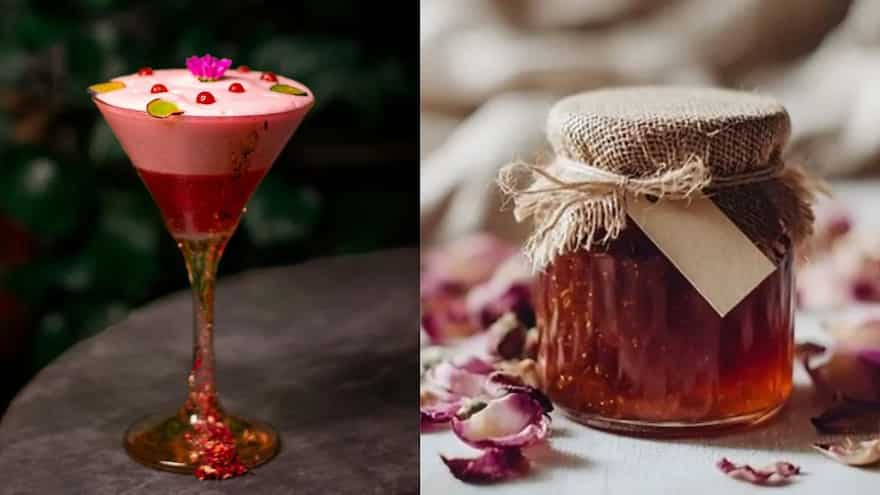
Image credit: Pexels, Adobe Stock
2. Whipped Feta And Gulkand Crostini
A study in salt and sugar, this appetiser uses gulkand to cut through the heavy brine of sheep’s milk cheese. Pulse 7 oz firm feta with 3 oz Greek yoghurt and the zest of one lemon in a food processor until silky, then spread a thick layer onto toasted sourdough rounds rubbed lightly with garlic and use a small offset spatula to swirl a thin ribbon of gulkand over the cheese. Finish with cracked black pepper and toasted pine nuts, as the pepper grounds the floral notes and prevents the dish from tipping into dessert territory.
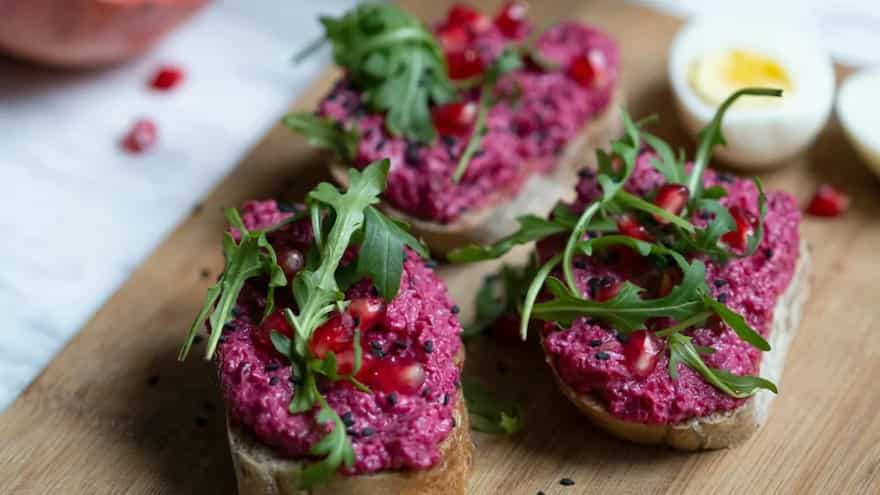
Image credit: Adobe Stock
3. Gulkand-Lacquered Roasted Heirloom Carrots
This preparation treats gulkand as a glazing agent, similar in function to pomegranate molasses or honey. Roast whole rainbow carrots with olive oil and salt at 200°C until tender, then in the final five minutes whisk together two tablespoons of gulkand with one teaspoon of warm water and a splash of apple cider vinegar, brushing this lacquer over the carrots before returning them to the oven until bubbly. The sugar in the gulkand caramelises on the skins, leaving behind visible rose petal texture, and the carrots are best served over a bed of labneh to introduce acidity.
4. Phyllo Triangles With Goat’s Cheese And Rose
A nod to Mediterranean pastries, these savoury-sweet parcels function as high-impact finger food. Cut phyllo pastry into long strips, place a small dollop of chèvre and half a teaspoon of gulkand at one end, then fold into triangles while brushing each layer with clarified butter before baking at 190°C until golden and crisp. The heat softens the gulkand and allows it to permeate the goat’s cheese, resulting in a pastry that balances the natural sharpness of the cheese with controlled floral sweetness.
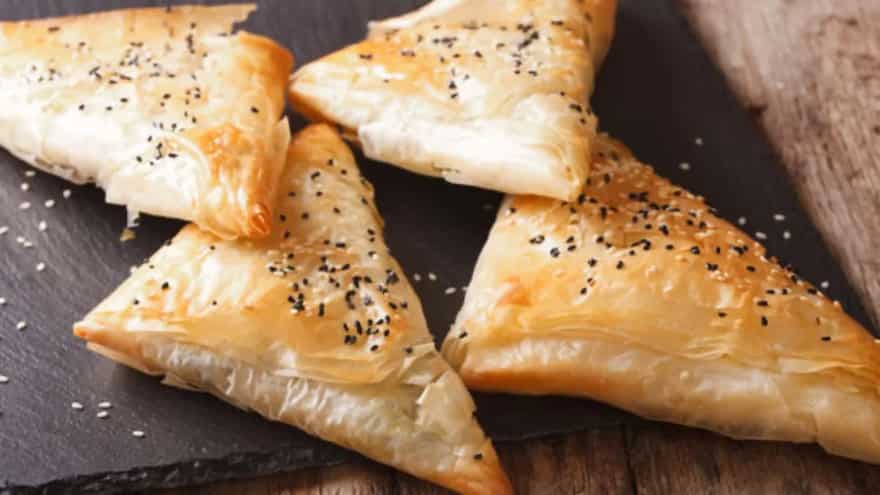
Image credit: Adobe Stock
5. Slow-Reduced Gulkand Rice Pudding (Kheer)
This is a traditional preparation updated through controlled cooking to ensure a creamy rather than starchy mouthfeel. Simmer one litre of full-fat milk with a quarter cup of basmati rice over low heat, stirring frequently, until the volume reduces by half, then fold in three tablespoons of gulkand once thickened, as the preserve’s sweetness usually removes the need for additional sugar. Chill for at least four hours, allowing the gulkand to impart a dusty rose colour, and serve in glass bowls topped with silver leaf and slivered almonds for a New Year presentation rooted in tradition.
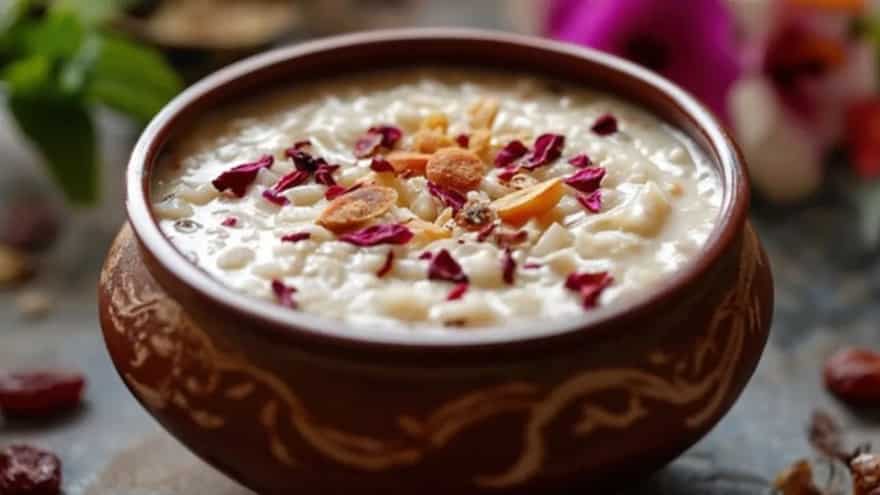
Image credit: Adobe Stock
6. White Chocolate And Gulkand Mousse
White chocolate and rose share several aromatic compounds, making this a technically sound pairing. Melt 6 oz high-quality white chocolate over a bain-marie and allow it to cool slightly before whisking in two tablespoons of gulkand, then gently fold the mixture into one cup of heavy cream whipped to soft peaks. The fat in the chocolate and cream carries the rose aroma across the palate, while the petals suspended in the gulkand provide textural contrast when the mousse is set in individual crystal glasses.
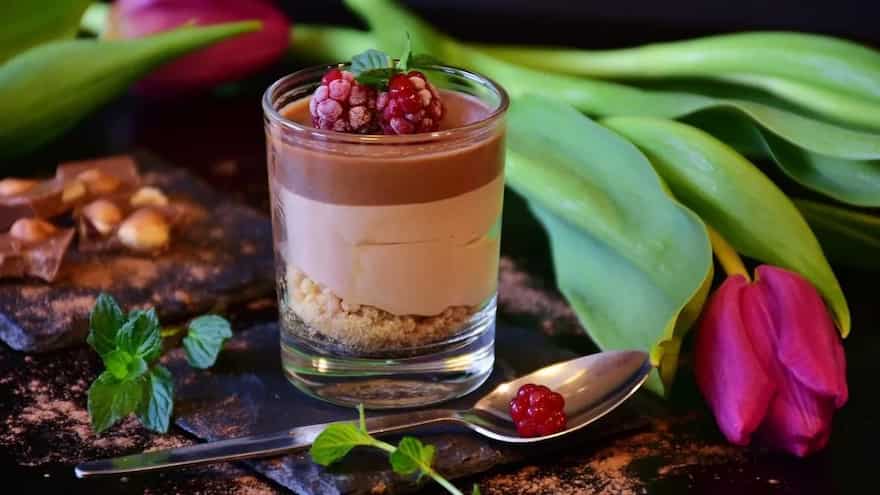
Image credit: Pixabay
7. Cardamom And Rose Cold Brew
This non-alcoholic option suits guests seeking a late-evening caffeine lift. Combine one cup of coarse coffee grounds with four cups of water and two lightly crushed green cardamom pods, steeping for sixteen hours before straining. To serve, stir one teaspoon of gulkand into the bottom of a glass, pour the cold brew over ice, and finish with a splash of oat milk, allowing the gulkand to function as both sweetener and aromatic, while the earthiness of the coffee prevents the rose from turning soapy.
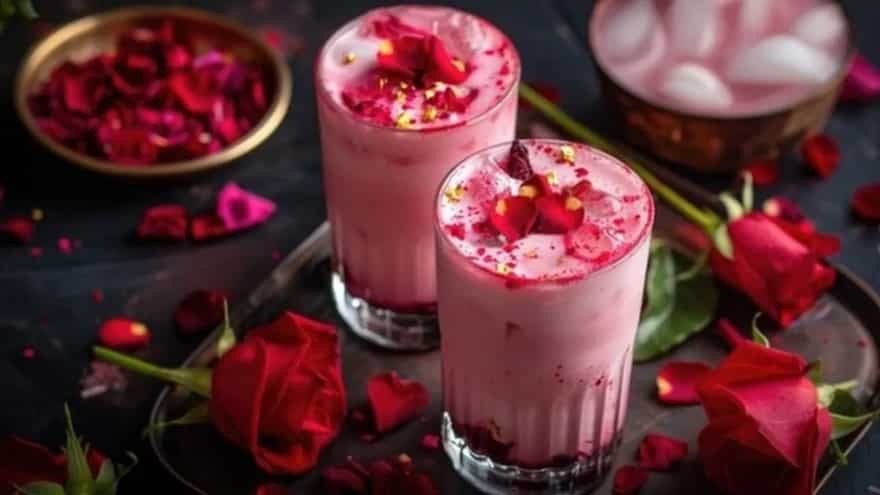
Image credit: Adobe Stock
8. Gulkand-Stuffed Shortbread Biscuits
This bakery preparation uses gulkand as a stable, bake-proof filling. Prepare a standard shortbread dough using flour, butter, and sugar, roll into small balls, and press a deep well into each before filling with half a teaspoon of chilled gulkand, sealing the dough closed to hide the centre. Bake until the edges are just beginning to colour, producing a biscuit that remains crisp outside while staying moist and fragrant within, then dust with icing sugar mixed with a small amount of dried raspberry powder to add acidity.




