


 Share
Share

As I sit here writing this, on the penultimate day of 2022, I can’t help being overwhelmed by the news of the winter storm in North America which has caused several deaths, including in New York, with the relentless snowing and icy blizzards, and netizens discussing the ravages of climatic change. Thankfully, the storm is abating, leaving in its wake a mindfulness of our earth’s well-being, which is hopefully for keeps.
Trying to encapsulate my epicurean experiences of the year gone by, I conclude what a mixed bag it has been.
Beginning 2022 with being Covid-positive in January, I remember friends and family flooding me with advice on diets rich in immunity-boosting foods, like the giloy leaf resembling the betel leaf, considered a source of amrit or immortality in Ayurveda, ragi or finger millets to be used either as porridge or as a hot malt drink, fruits, and vegetable cleanses and, of course, Vitamin C supplements, since you couldn’t eat those many oranges required for your dosage of antioxidants at one go, right? In short, immunity boosters became a code word for all things diet, and drinking alcohol, if not out of the window, was not actively encouraged by the diet brigade, never mind the overflowing pubs once lockdowns were lifted.
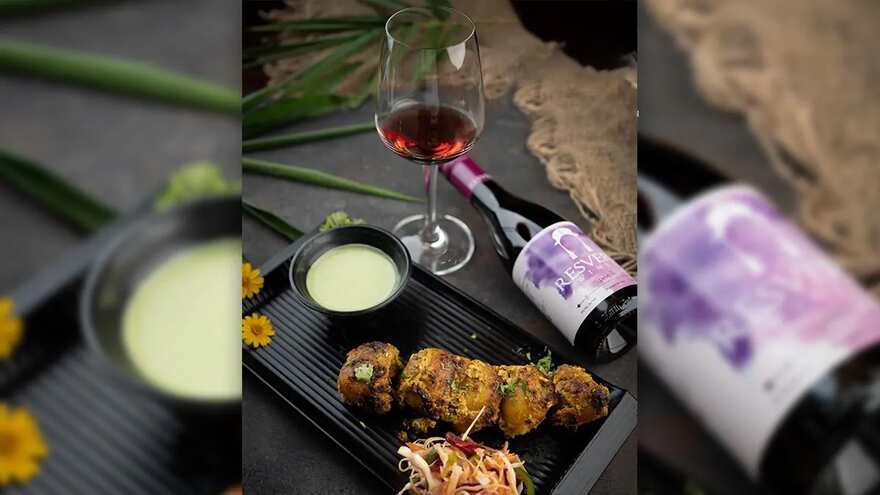 Jamun Wine
An encouraging trend of 2022 bound to amplify in 2023 is the rise of made in India liquor brands. While beer breweries continue to make inroads in metros like Bengaluru every single day, it is the quieter gin which is making its place in the sun. For example, a gin brand made in Goa by a group of Indian entrepreneurs, who are promoting the made in India label with their pan India presence - including Rajasthan, Delhi, Mumbai, Hyderabad, Bengaluru, and Assam - besides eyeing many other Tier A cities and towns.
As Nil Otpal, brand ambassador of a gin brand made in India, says the fact that gin uses many botanicals sourced here in India, like coriander seeds, cardamom, and cinnamon, which doesn’t make it a surprising fact that many gin brands have invoked the royal exotic names of Jodhpur and Bombay Sapphire to make them generic names today in the liquor industry. Now Indian brands are also using local ingredients like Gondhoraj lemon (grown in Bengal and Assam) to up the favour profile.
As some of us might know, tonic water, the other essential partner of a refreshing gin and tonic (G&T), is listed as ‘Indian tonic water’, irrespective of brand. This is because tonic water was first used by the British in colonial India to treat its army when quinine, an anti-malaria prophylactic, was mixed in soda and sugar to camouflage the bitter taste of quinine. The global market for crafted cocktails made with white spirits like gin, rum and vodka is poised for a rise, so Cheers to made in India labels boosting spirits, worldwide.
Coming back to food, cloud kitchens are here to stay, though dining in is the preferred option for family and special occasions. Covid-chastened, healthy eating is a mandate and therefore vegan and plant-based foods are surely in focus. However, the Swiggy annual report on what people ordered in 2022 shows biryani to be right at the top, with 2.28 biryanis being ordered every second in India. Masala Dosa came second, and the other top trenders were Korean ramen bowls like Bibimpap, Japanese Sushi and Ravioli Pasta.
Gulab Jamun won the undisputed dessert crown, and so long as it was not stuffed into burger buns and samosas, as some viral weird food trends going viral on Instagram showed us, all was well with the world. The other food trend profanities were Omelette with Crushed Oreos, Butter Chicken Ice cream, Coca Cola Maggi and Momos Chaat, which God forbid, will come and go as fads.
What will hopefully stay is good nutrition, which is great on the palate, and nourishes us and the planet too. Wish you all a very happy, responsible, gut-fulfilling and enriching 2023.




